A Quiet Path Through Recipes: A Conversation With Jeff Koehler
Jeff Koehler approaches food as a vessel for storytelling, for geography and cultural identity.
Jeff Koehler approaches food as a vessel for storytelling, for geography and cultural identity. In a publishing world crowded with celebrity chefs and glossy, stylized cookbooks, he carves a quieter, more personal path—one that draws the reader to a Moroccan grandmother’s kitchen table as vividly as to the spice routes that once carried cumin to her region. For Koehler, food writing goes beyond what is cooked and served. It follows who gathers, where they live and what they remember.
Koehler didn’t set out to be a food writer. After studying drama and testing his luck in theater, he spent years traveling through Asia and Africa before discovering recipes could tell the stories he’d been chasing. By his early 30s, food writing had claimed him.
Koehler says he learned by being in his mother-in-law’s kitchen in Spain. Ten books later, including the bestselling La Paella, Koehler continues to explore how food anchors memory and reveals the places and people who give it meaning.

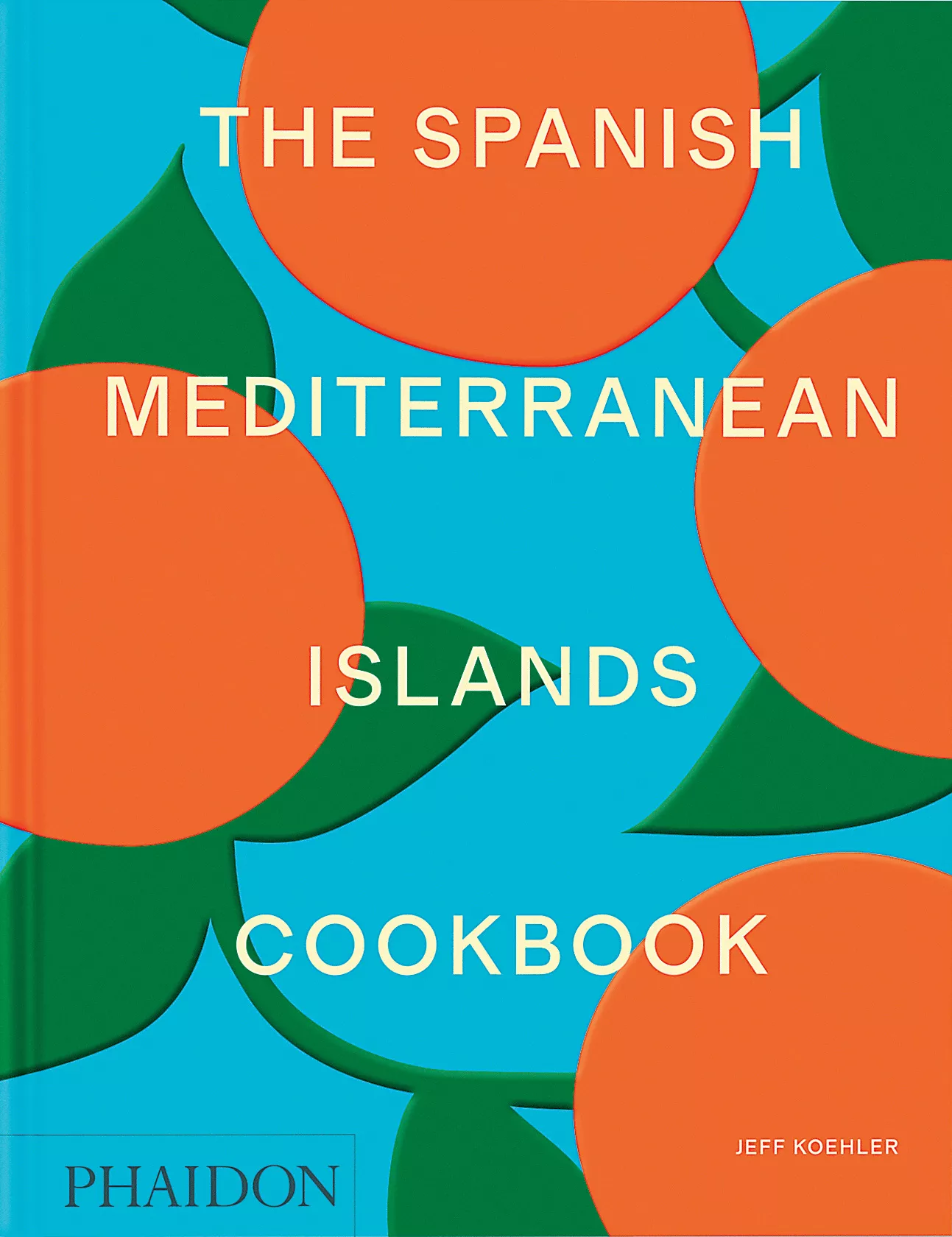
The Spanish Mediterranean Islands Cookbook Jeff Koehler. Phaidon, 2025. Top Sardines in escabeche marinade, a dish using escabetx, relies on a method for preserving fish that has carried over from the era of Muslim Spain.
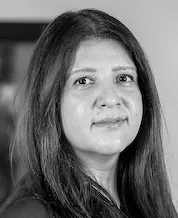
Jeff Koehler
How did food become your route to storytelling?
I wasn’t a classic foodie. I grew up north of Seattle. We had chickens, and my mom gardened and canned. I worked on a blueberry farm and later in a hospital kitchen, a grocery store and a meat store. So, food played a big part quite early on. Storytelling, however, came later.
When I was 30 and living in San Diego freelancing, I found that to write about food is to write about culture.
By the time we moved back to Spain in 2002, I was on my way, working on recipes, and my first cookbook, La Paella, was published in 2006.
When documenting regional cuisines, how do you honor local traditions?
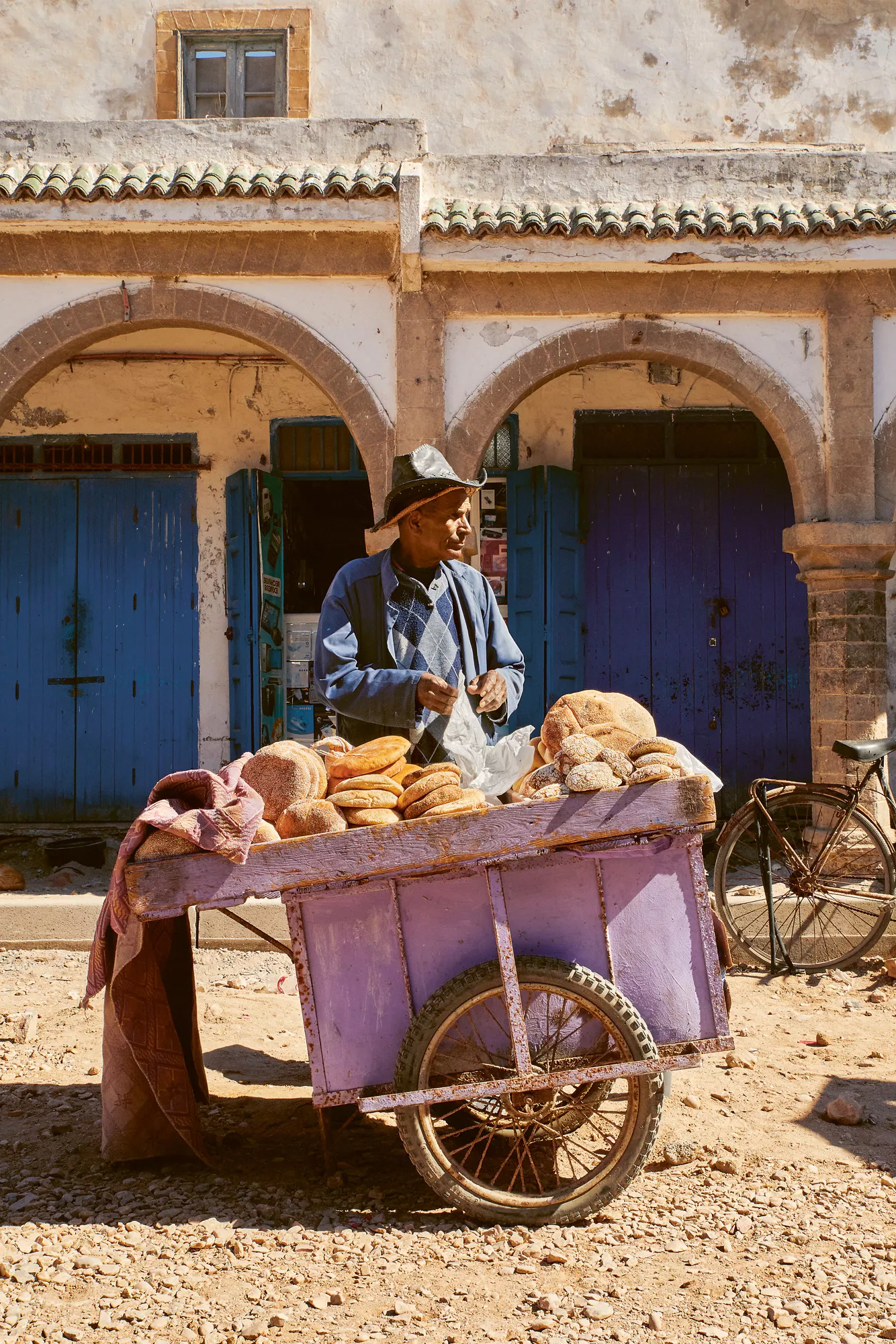
In Morocco, I noticed a lot of the cookbooks were full of rich tagines, but everyday foods like flatbread stuffed with the fat of lamb and some shallots were rarely recorded. These simple recipes were important to capture the entire arc of that culinary world as it is important, culturally.
Every recipe in my Moroccan book came from time spent in homes, often with a scale or ruler in hand. What I learned is that people want to share. Everyone has their way of making mint tea or couscous, and each is convinced theirs is right.
Your recipes seem simple but carry depth. How do you adapt them for readers?
This is one of the biggest challenges in writing cookbooks, especially when you’re working with traditional, often orally passed-down recipes from another culture. I make everything in my own kitchen, sometimes over and over, until I’m confident it comes out right. A recipe is a translation of culture, ingredients, even heat sources. I always remind readers recipes are guidelines. Your flour isn’t my flour; your harissa isn’t mine; your “medium heat” is different from mine.
How do you stay authentic without claiming ownership of the cultures you write about?
By not pretending to be the authority. I’m not reinventing it or “elevating” Moroccan food. I’m documenting it. I double-, even triple-check everything. If a Moroccan reader opens my book and sees a glaring error on page five, why should they trust what I say later? I ask questions constantly and represent variations respectfully. I’ve met hundreds of experts. I’m just the one telling the story.
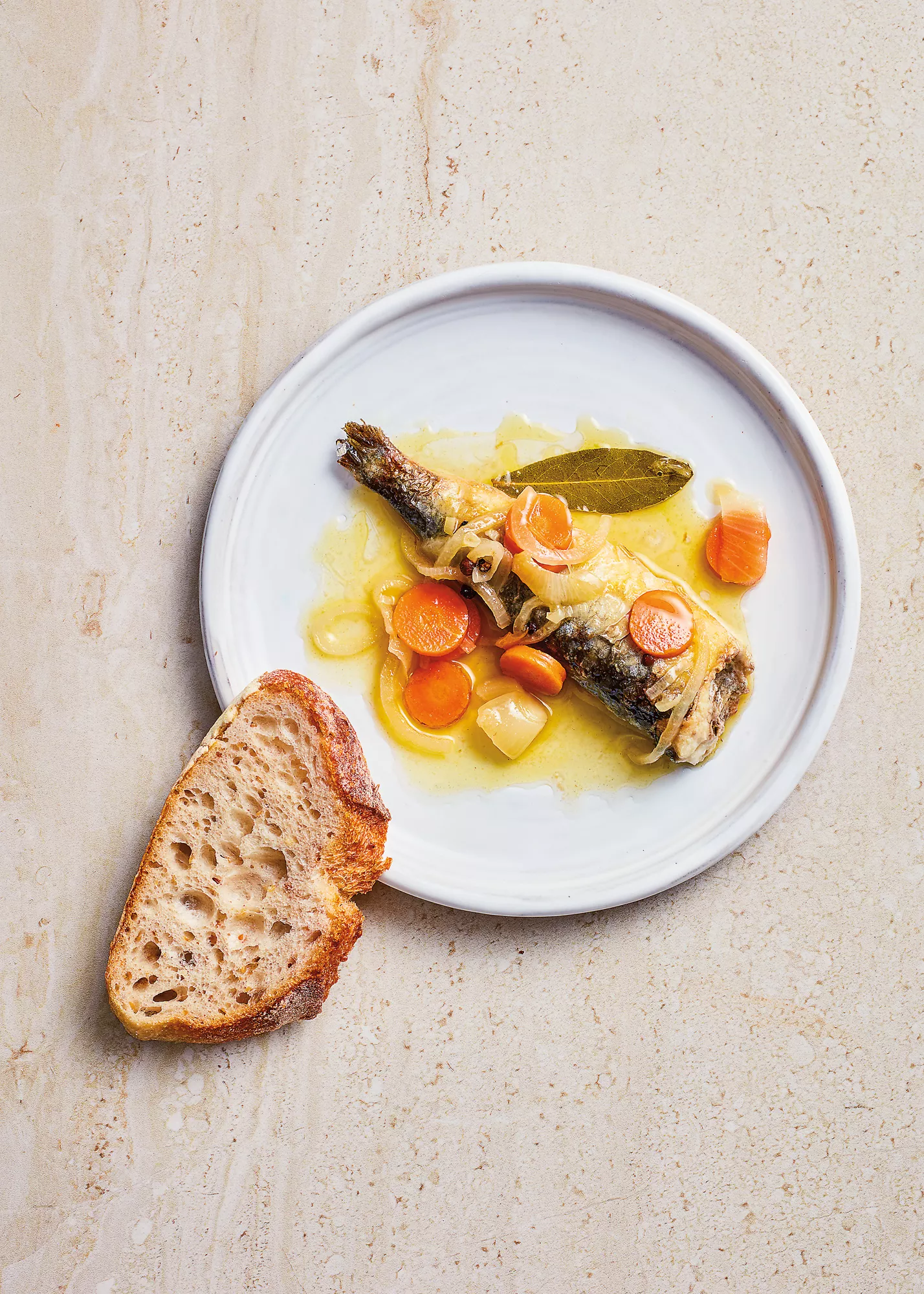
Sardines in escabeche marinade, a dish using escabetx, relies on a method for preserving fish that has carried over from the era of Muslim Spain.
Jeff Koehler
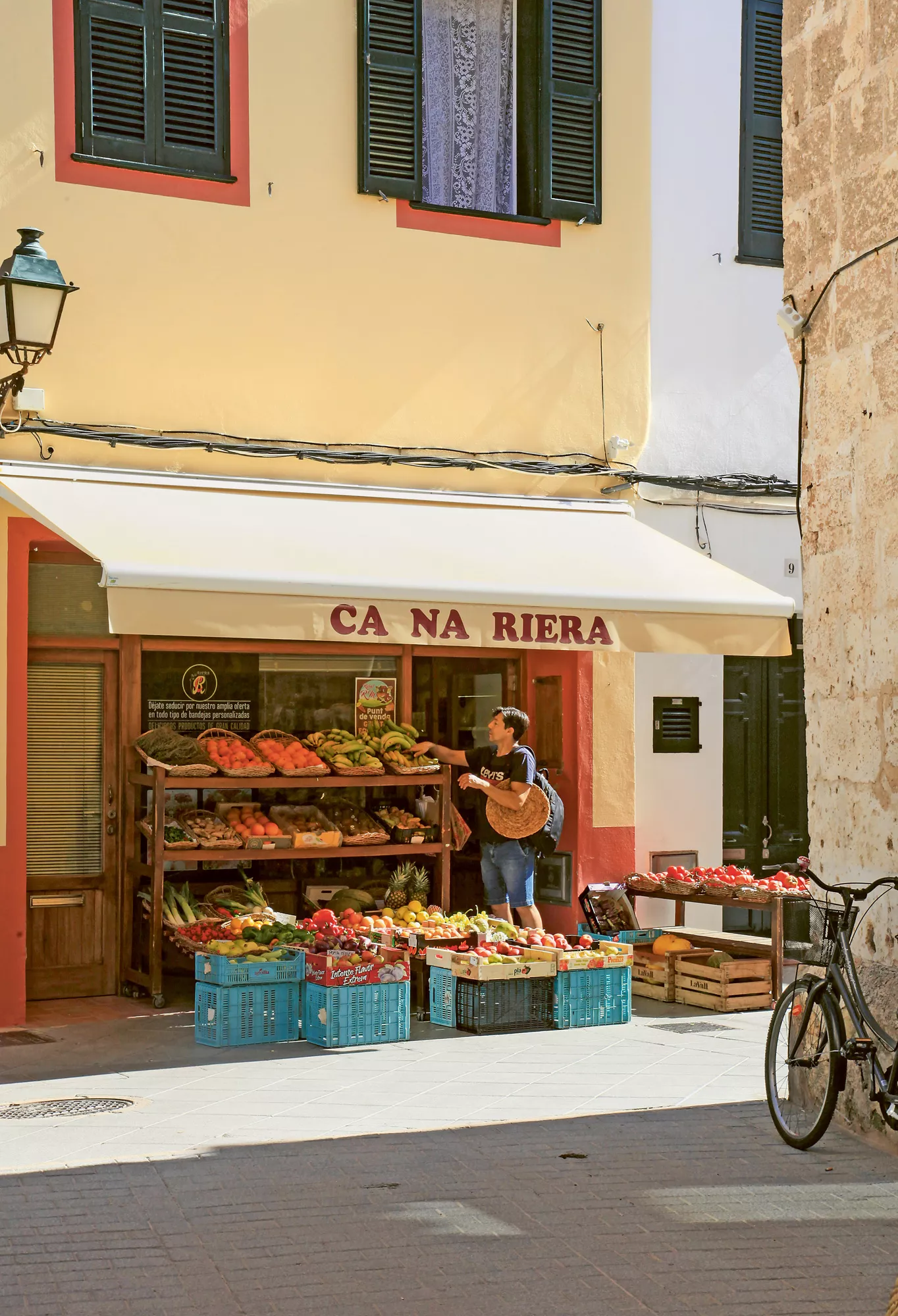
At the Thursday Market on the Spanish island of Menorca, farmers bring fruits grown from generations of adaptation to sell.
You travel, cook, write and photograph. What part grounds you most?
I love being on the road, never knowing what’s around the corner. I love taking random turns and ending up somewhere unexpected. But cooking grounds for me. After moving to Spain and traveling through North Africa, I developed a sense of seasonality and how fleeting it is. That’s become something I love deeply: cooking in season, eating together, watching others enjoy it.
What have you learned about hospitality from family kitchens?
Watching a household’s rhythm is incredibly humbling. In North Africa, I experienced the power of the round table. A rectangular table might seat six, but a round one will somehow fit 30. The message is simple but profound: There’s always room for one more; you are always welcome. Everyone is equidistant from the plate; everyone can reach in.
What do you hope readers take away from your books beyond the recipes?
The kitchen lets you travel through recipes. Cooking these recipes, or even just reading them, invites you into another culture. I’ve met people who ate Moroccan food and then booked trips to Morocco. I hope readers sense that depth and diversity. These cuisines are layered, and I hope my books pass on that sense of discovery to others.
You may also be interested in...
What It Takes to Feel Ramadan Again
Arts
Creative minds rebuild Ramadan traditions through deliberate acts of memory and care.
Spotlight on Photography: Finding Frozen Fun in Kyrgyzstan
Arts
Culture
In the winter of 2020, Lake Ara-Köl in Kyrgyzstan was becoming more and more popular.
Survey Results Are In: Readers Reflect on What Football Means
Culture
History
AramcoWorld’s question, “What does football mean to you?,” generated hundreds of replies from readers about playing and/or watching the sport.