Spotlight on Photography: Relive the 1980 Grand Prix Through Michael Turner's Racing Photos
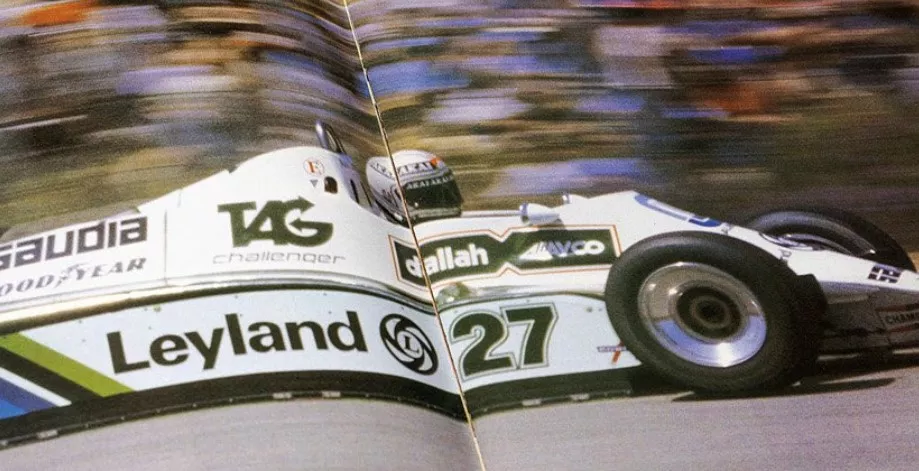
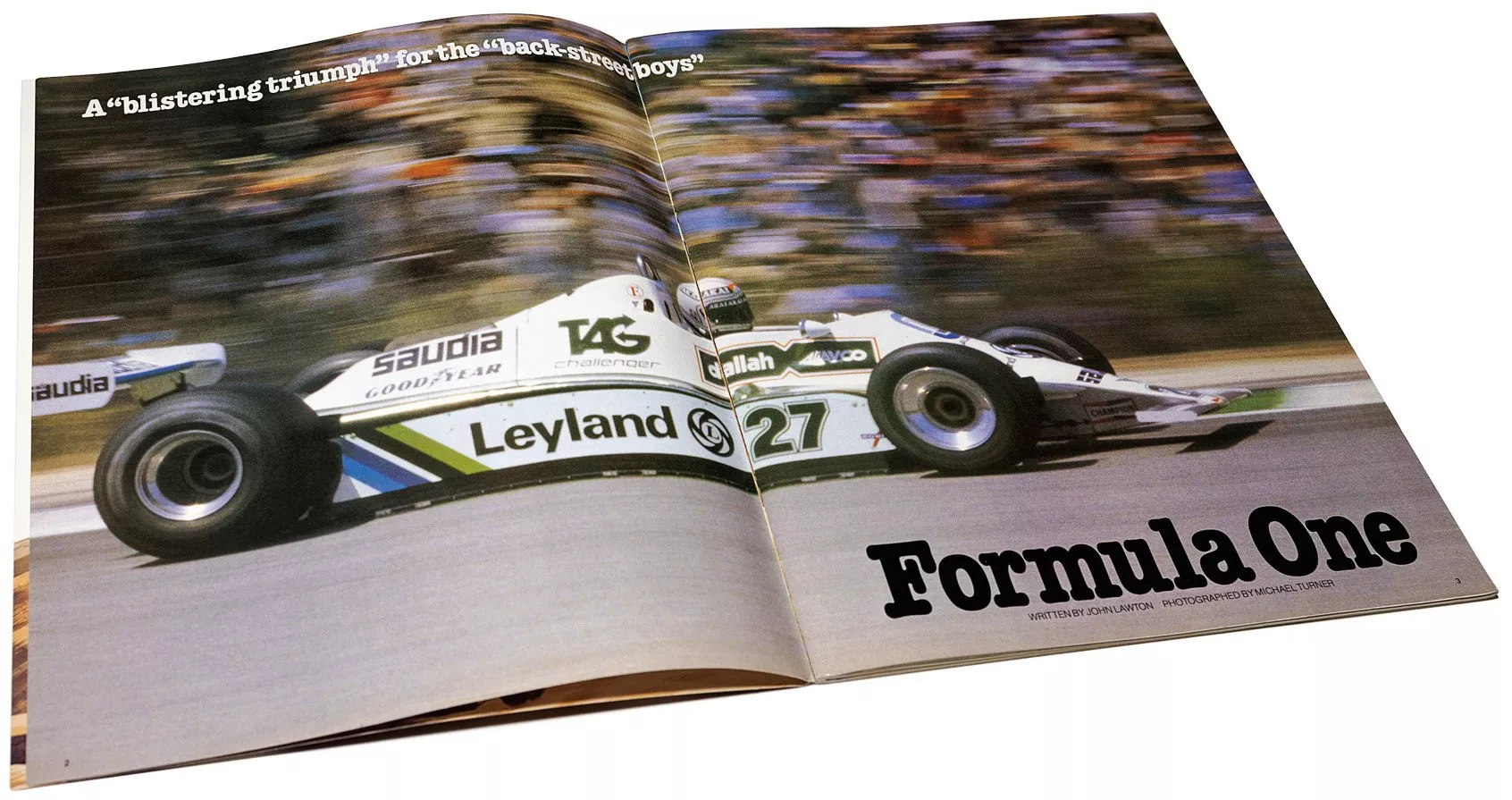
Amid the roar of racers zooming toward the finish line in London during the 1980 Grand Prix, longtime auto-racing photographer and renowned artist Michael Turner trained his lens on a Saudia-Williams FW 07.
March / April 1981
Amid the roar of racers zooming toward the finish line in London during the 1980 Grand Prix, longtime auto-racing photographer and renowned artist Michael Turner trained his lens on a Saudia-Williams FW 07. Its Australian driver, Alan Jones, was about to make history. Slowing his camera’s shutter speed, Turner clicked away while following his lens along with the speed of the car, causing it to stay in sharp focus and blurring the background of fans. This technique, called “panning,” shows the race car is in motion—and about to drive off the page to victory in the March/April 1981 cover story “Formula One.” Jones won the race, his fourth victory of the season and third win in a row. AramcoWorld highlighted the achievement of the “back-street boys,” referring to the British and Saudi partner builders and sponsors of the car who saw the promise in showcasing innovative automotive technology and a wide-open track for beating the giants of the Formula 1 world.
You may also be interested in...
How to Discover Egypt From the Inside Out
Arts
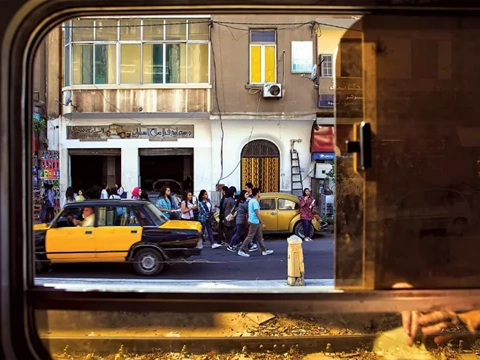
Rather than just telling travelers where to go, the guidebook Egypt: Inside Out by Trevor Naylor offers an inside-out perspective that evokes the experience of being there, inviting readers to embrace an almost meditative travel discipline of slowing down to take in the details and complexities of Egypt, moment by moment.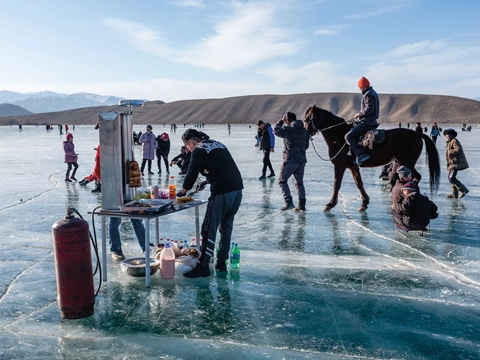
Spotlight on Photography: Finding Frozen Fun in Kyrgyzstan
Arts
Culture
In the winter of 2020, Lake Ara-Köl in Kyrgyzstan was becoming more and more popular..webp?cx=0.5&cy=0.5&cw=480&ch=360)
Photo Captures Kuwaiti Port Market in the 1990s
History
Arts
After the war in 1991, Kuwait faced a demand for consumer goods. In response, a popular market sprang up, selling merchandise transported by traditional wooden ships. Eager to replace household items that had been looted, people flocked to the new market and found everything from flowerpots, kitchen items and electronics to furniture, dry goods and fresh produce.