A Conversation With Author Tim Bascom on Why Football Endures
As the 2026 World Cup nears, Tim Bascom asks: Why do people keep playing soccer when the world is ready to break apart?
In less than a month, billions will turn to the World Cup, watching as nations compete for 90 minutes at a time. For a brief window, the noise of conflict recedes, replaced by shared feelings. But what does that moment actually hold, and what remains once the whistle blows?
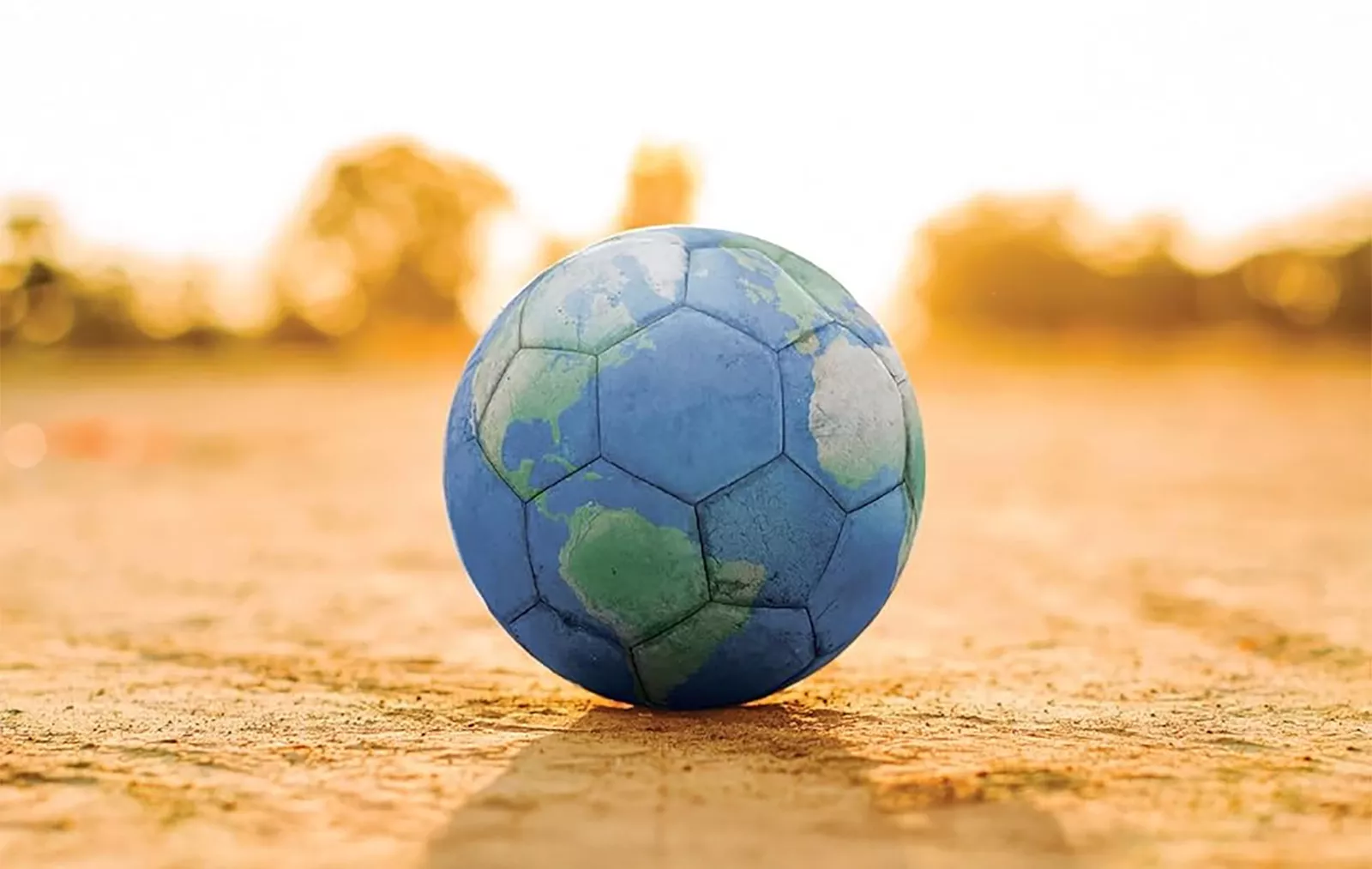
In The Boundless Game, Tim Bascom, an award-winning memoirist, approaches that question not as a spectator but as someone who has spent more than 50 years playing across continents and cultures. Shaped by a life between Kansas in the United States and East Africa, Bascom avoids using soccer, or football, as mere backdrop. He engages in it as a way of encountering differences and making sense of a fractured world.
This conversation asks what it means to keep playing—across time, distance and disruption—and why that impulse persists.
We spoke with Bascom about writing, memory and the enduring pull of the game.

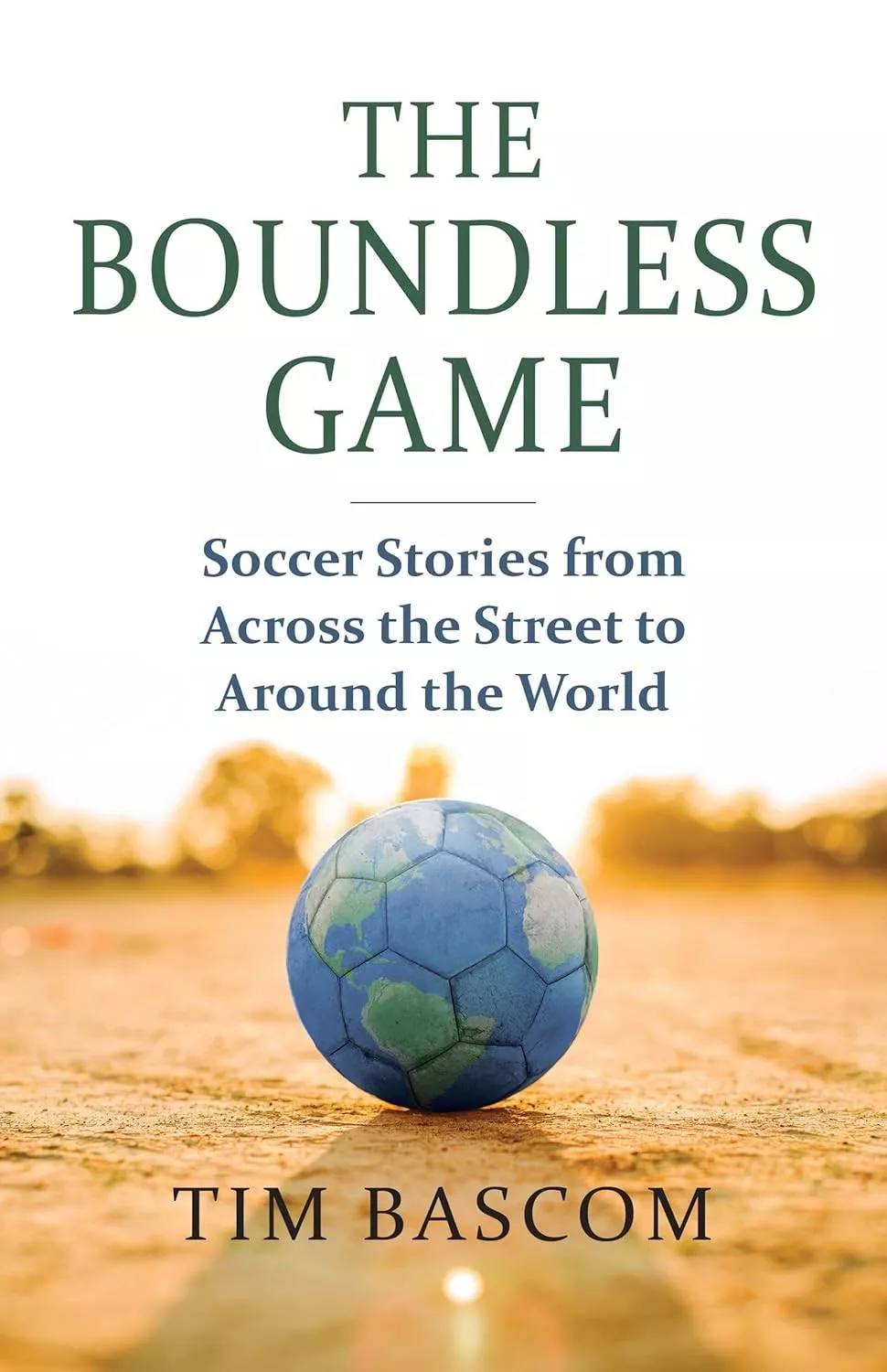
Tim Bascom is the author of The Boundless Game.
Your book spans decades, countries and people. How did it begin?
I started journaling daily, and it was a lot more fun than other things I've written. Then I started realizing: "Wait a minute. This is a book." So, what began as a journal started to morph into a book, and I realized this was not just about soccer. It was about how soccer has been a real privilege and opportunity to reach over and get to know people from different cultures. I wanted to celebrate that aspect of it.
The book moves among history, memoir and journalism. How did you decide what belonged?
I kept holding on to that central theme in my mind of soccer being a place where cultures meet and where bridges can happen between cultures. I would discard things if they didn't fit into that. The only exception is with the history of the game. Some of that might not feel as cross-cultural, but it is. I'm not British, yet here I am playing this game that largely came out of England (though there were similar games in China and in South America as well). Then if I was going to do further history, I thought it would be very interesting to look at people who were homeless, who come together and play a homeless World Cup every year. They come from all over the world, just as we see with the better-known World Cup. Things like that emphasize different cultures coming together.
Soccer is often associated with creating joy, but your book confronts darker moments. How did you hold onto the idea of connection when the game met conflict?
I write about attending a game in northern Ethiopia and not realizing that a man's just been assassinated during the game; and that the whole country is going into turmoil. The next day the whole country's gone dark, and there's no Wi-Fi, ATMs have been shut down. But I could just look out the window and see all these children in sandals playing soccer. To think, this goes on, you know? Soccer will transcend even political conflict, and it was life-giving to see those children out there saying, "We're gonna keep playing."
Why did you include historical chapters in your narrative?
I wanted somebody who was a novice around soccer to learn fundamental things about the origins of the game, to add stories that would create more appreciation of how people in other cultures, not in the United States, have accomplished a lot in this game. For example, it was fascinating to see who's played the most international games and find out it's somebody from Malaysia. And the oldest player was from Japan.
The World Cup arrives regardless of what the world is going through. What does the game mean for you?
The World Cup is where it's really at. Premier League clubs can purchase a win because they have so much money, but with the World Cup, it's the national team. They have to figure out if they can work together. And they're trying to represent in a way that is very meaningful, and it's more cultural in that sense. So, it's always fun. I absolutely loved watching Argentina win last time and thought it was a team winning, not just a superstar. That's what I'll be looking for. And then, because Africa is always the underdog, I want an African team to go to the top. That's what I'm after.
If a reader finishes your book with one feeling, what do you hope it is?
That they appreciate the game itself, what it offers a person who plays and watches, and that they have a greater appreciation—especially if they don't know the game much—for why people are so passionate about it. I'd like them to walk away thinking, "Wow! It's great that there are people different from me, who come from different places and share the life journey as humans."
Visual Corner
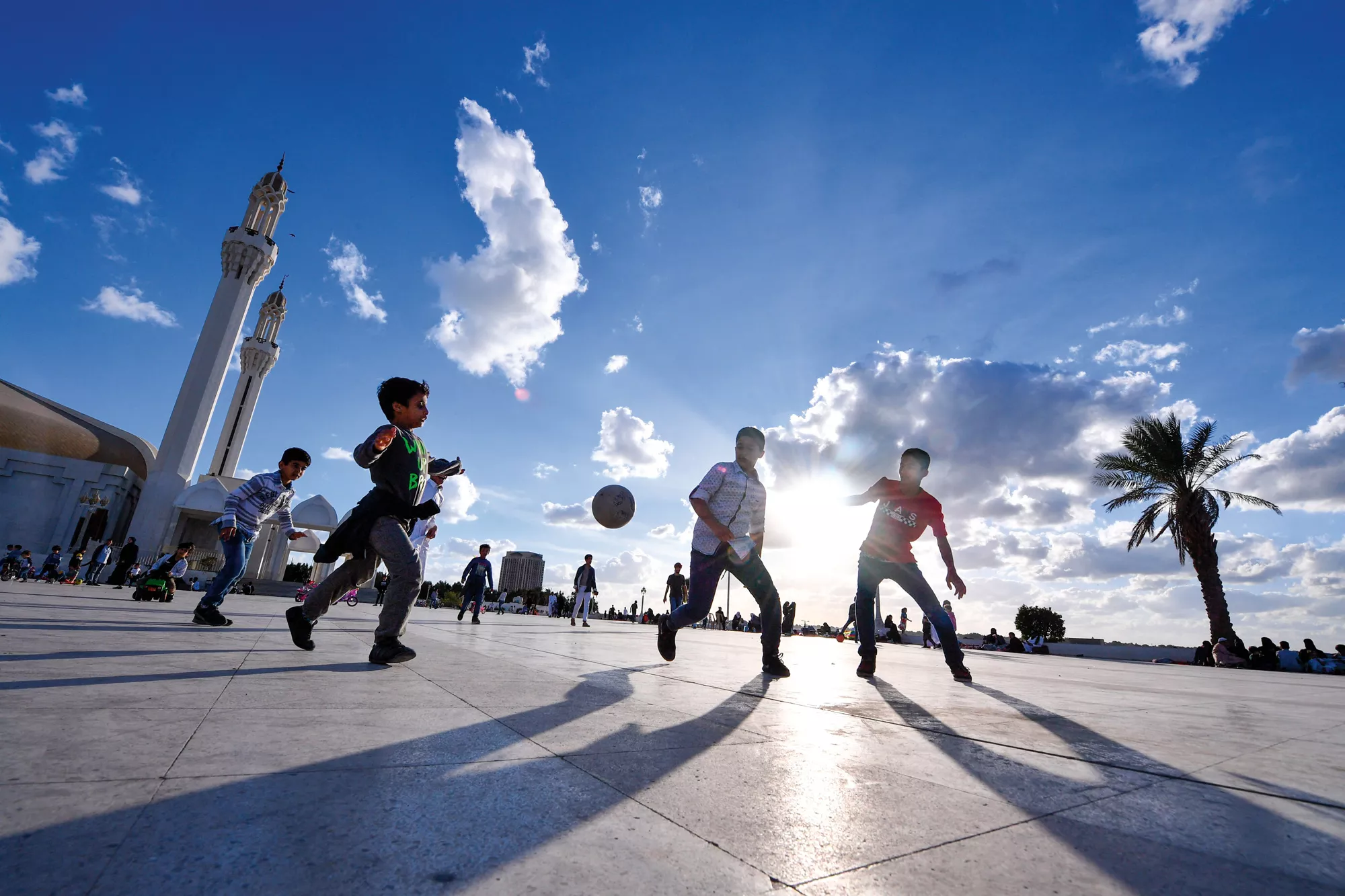
Children Collect Memories of Football That Shape Their Souls
You may also be interested in...
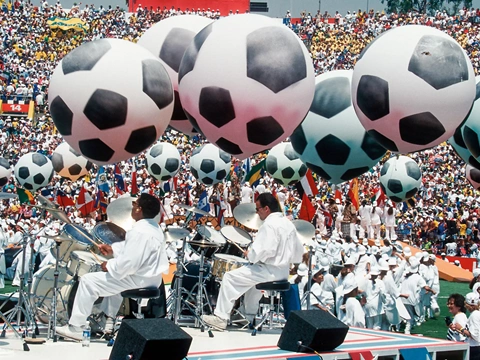
Football's Other Score: World Cup Music Unites Fans Around the World
Culture
The collaborative nature of World Cup songs reflects the global scale of the tournament itself.
From Leather to Labs: The Science of Football Design
Culture
The ball's continually refined materials and construction affect its behavior, quietly reshaping how the game is played.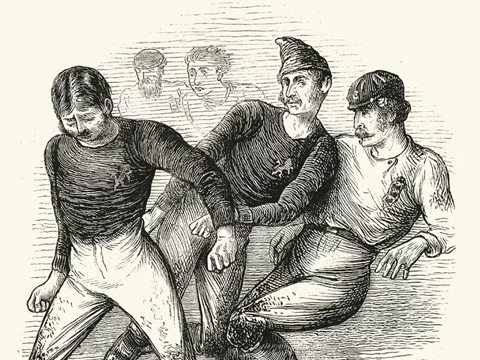
Where Fog Met Feet: Football's Spread From England to the World
Culture
Since its birth in 1863 in London, football has spread around the globe, with billions of fans who connect with the game as a source of cultural pride beyond the pitch.