
“Evil” Arabs in American Popular Film: Orientalist Fear
Semmerling, Tim Jon
2006, University of Texas Press, 0-292-71341-X, $55 hb; 0-292-71342-8, $22.95 pb
The “evil Arab” has become a stock character in American popular films, a stereotype that wields considerable power—that is, fills important needs—despite its collapse when confronted with real Arab people. Semmerling shows how American cultural fears, the product of perceived challenges to our national myths, have driven us to create the “evil Arab” other. He draws on Jack Shaheen’s groundbreaking Reel Bad Arabs (reviewed here in ND01) and goes beyond it, analyzing five films, from “The Exorcist” (1973) to “Rules of Engagement” (2000), as well as CNN ’s special “America Remembers” (2002), delving into them in fascinating detail, scrutinizing visual tropes and narrative structures to investigate how and why “evil Arabs” serve our purposes.
You may also be interested in...
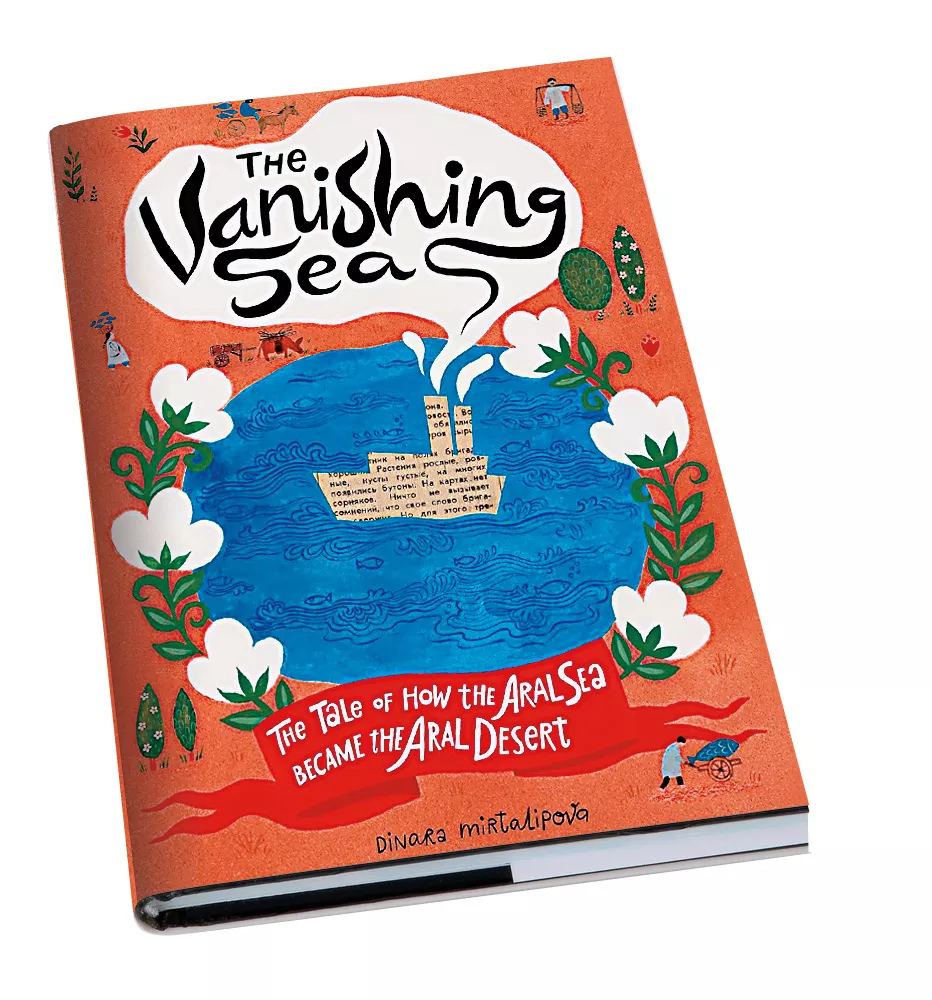
The Vanishing Sea by Artist Dinara Mirtalipova—Our Book Review
How often do we take nature for granted, assuming it will never vanish? In US-based folk illustrator Dinara Mirtalipova’s new children’s book, a sea is the main character: the one that provides livelihood and prosperity, until humans’ poor choices cause its demise.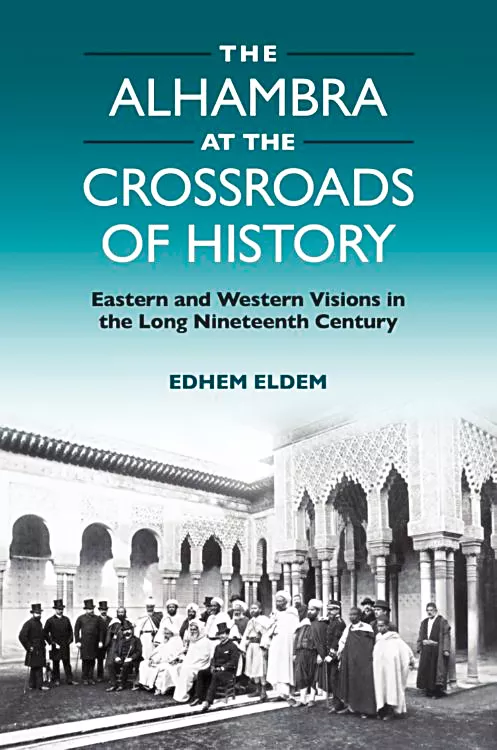
The Alhambra at the Crossroads of History: Eastern and Western Visions in the Long Nineteenth Century.
The Alhambra at the Crossroads of History shows how the 13th-century Andalusi palace complex in Granada, modern Spain, generates often conflicting meanings at the same time—meanings actively constructed and sometimes misread. Edhem Eldem, an Istanbul-based history professor, traces its role in shaping social and cultural identities across imperial Europe, Arab North Africa and Ottoman Türkiye from the 18th to the early 20th centuries.