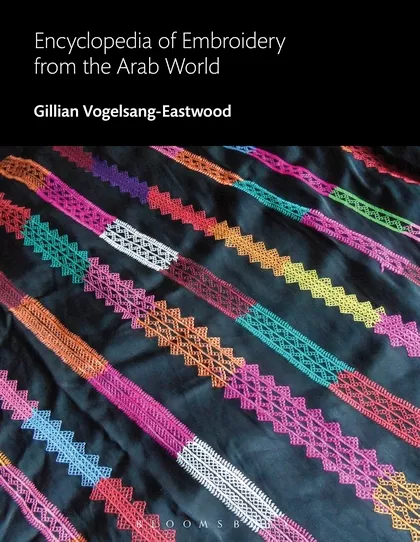
Encyclopedia of Embroidery from the Arab World
Caroline Stone
Gillian Vogelsang-Eastwood
2016, Bloomsbury, 978-0-85785-397-4, £150 hb.
This outstanding volume is the first to cover its colorful subject across the Arab world in both space and time. Moved by upheavals in the region, Vogelsang-Eastwood, director of the Textile Research Centre at the University of Leiden, produced a record of a disappearing needlework heritage in such a way that it could also facilitate an eventual revival. The result is a reference work that is unlikely to be surpassed—one of great value to textile collectors, museum curators, embroiderers and designers, with many pages illustrating embroidery stitches and techniques, as well as diagrams of patterns. The author has also added material on the social and economic importance of embroidery and included an excellent glossary of Arabic terms. The volume contains 850 illustrations, outstanding maps, a full bibliography and lists of textile collections around the world. The first section covers practical matters such as materials and techniques. The second provides historical background, linking—where relevant—the past to the present. The third section covers the Arab world’s some 20 countries and includes chapters on tribal embroideries and embroideries from minority communities. Subjects of particular interest are treated in brief “snapshots”: for example, “Colonel and Mrs. Dickson’s Embroidered Garments from Kuwait” refers to the collection by longtime Gulf residents H. R. P. Dickson and Dame Violet Dickson.
You may also be interested in...
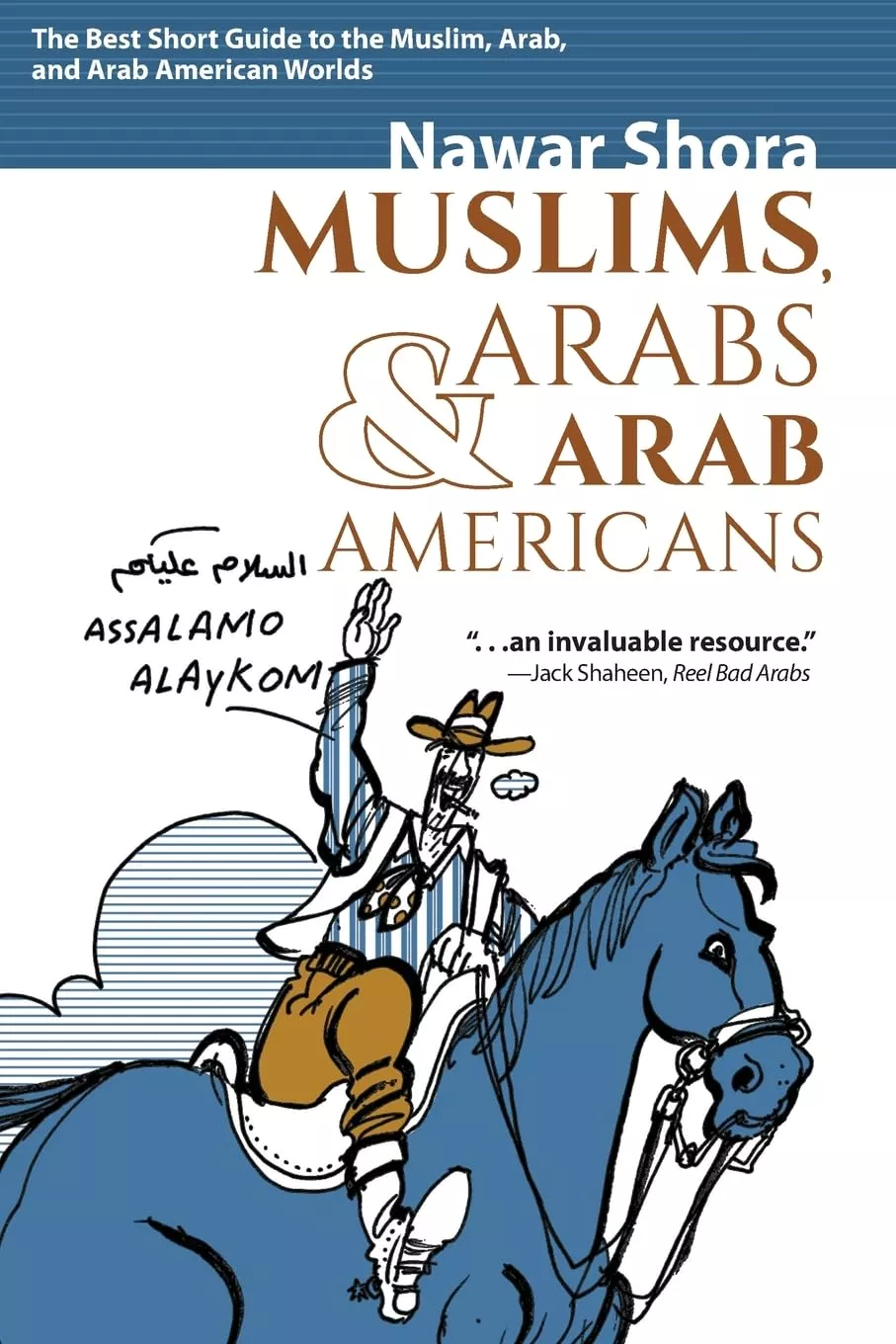
Author Nawar Shora Untangles Arabs, Muslims and Arab Americans
In his book Nawar Shora examines how identities too often treated as interchangeable have shaped public perception and why understanding the differences matters.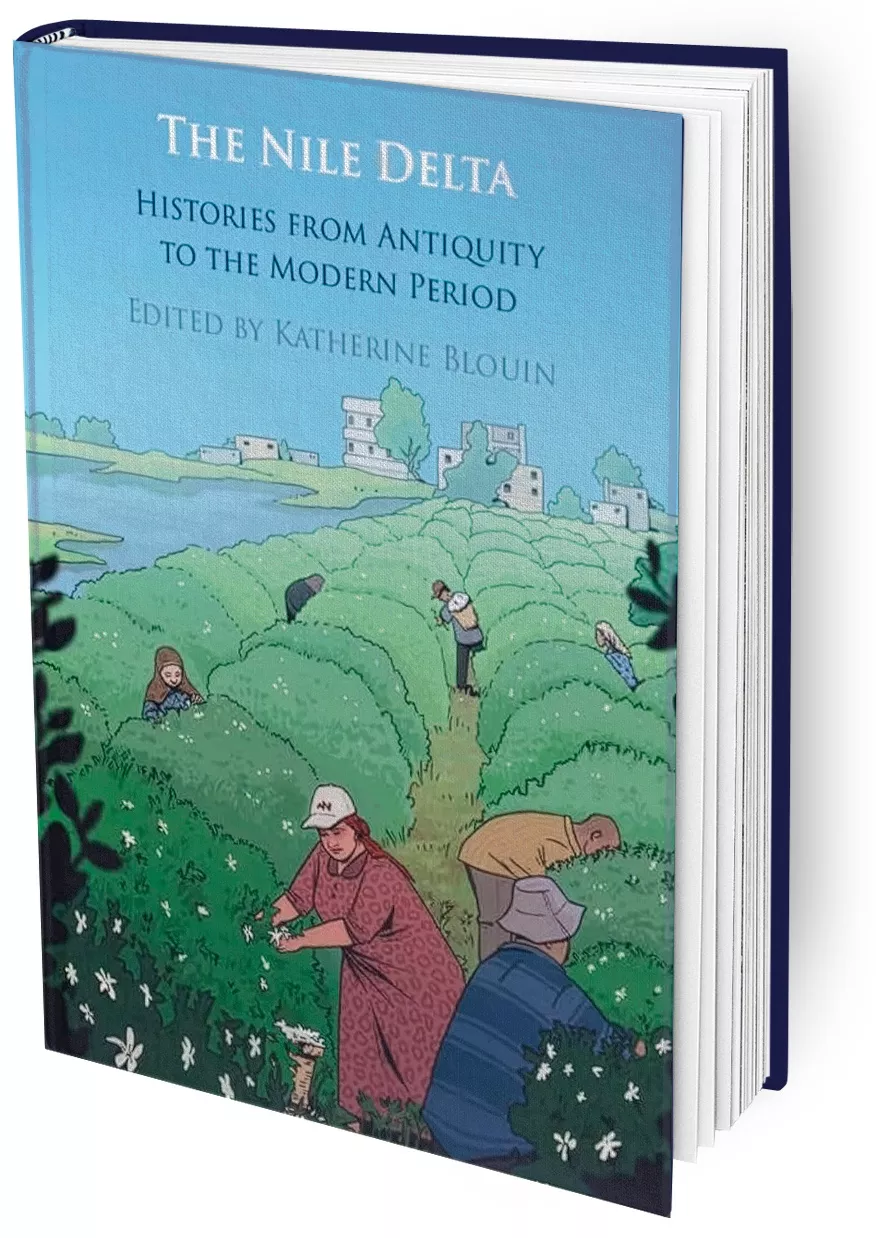
Essays on Nile Delta, From Ancient Egypt to Today—Our Book Review
Editor and ancient historian Katherine Blouin asks 18 scholars to address why this crucial region is less visited and studied compared to the rest of Egypt.