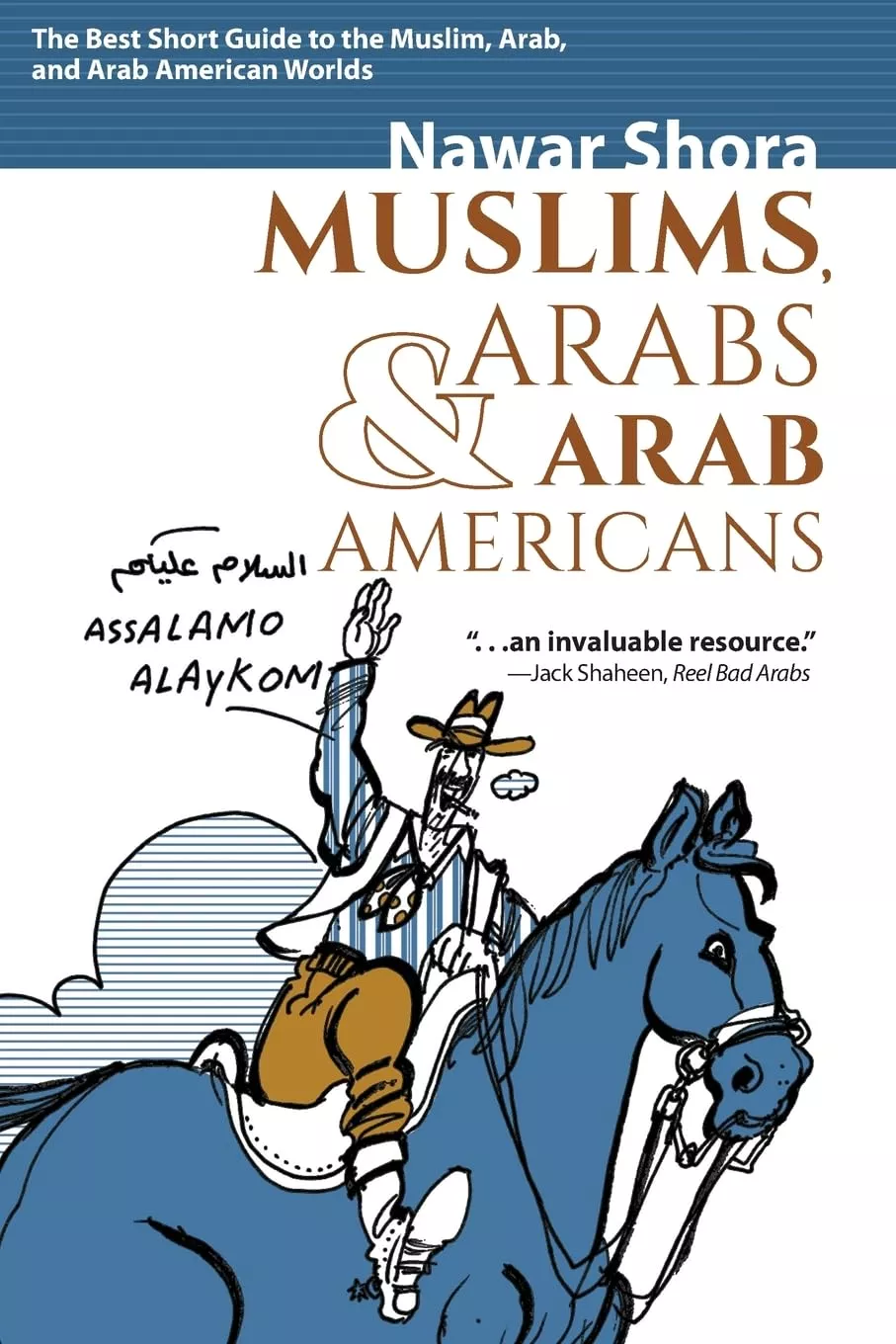
Author Nawar Shora Untangles Arabs, Muslims and Arab Americans
Written by Michael Shagoury
Muslims, Arabs & Arab Americans: A Quick Guide to Islamic & Arab Culture.
Nawar Shora. Cune Press, 2024.
The title of Nawar Shora’s Muslims, Arabs and Arab Americans poses a question before the first page is even turned: Why distinguish among these three groups? Shora devotes much of the book to answering that question, untangling identities that are frequently—and incorrectly—treated as interchangeable while exploring how these misunderstandings shape public perception. In doing so, Shora seeks to demystify Arabs, Muslims and Arab Americans for unfamiliar readers while offering those with some familiarity a deeper, and often surprising, context.
Drawing on his experiences growing up in the United States and years spent leading cross-cultural communication programs for diverse audiences, Shora addresses misconceptions with clarity rather than confrontation. The book favors accessibility over density, reflecting years spent answering questions about “Arab” and “Muslim” in educational and public settings. Its conversational tone, humor and recurring question-and-answer format make complex and often sensitive topics approachable without sacrificing substance.
Rather than constructing an abstract defense, Shora focuses on everyday misunderstandings involving names, customs and media portrayals. He also highlights unexpected connections, including familiar English words with Arabic origins, encouraging readers to reconsider assumptions they may not realize they hold.
Some of the book’s most effective moments examine how stereotypes become embedded in popular culture. Shora revisits the opening lyrics of Disney’s Aladdin, showing how caricatured depictions of Arab societies become normalized for generations of viewers. Elsewhere, he shifts from critique to recovery, introducing lesser-known histories of Arab and Muslim presence in North America. Together, these examples broaden the reader’s frame of reference and challenge the notion that Arab or Muslim identity exists outside the American story.
The book is equally compelling when it turns inward. Shora recalls realizing, as a child watching Iron Eagle, that he resembled the film’s antagonists. The moment underscores the personal cost of distorted representation, demonstrating that stereotypes do more than simply misinform outsiders. They shape how individuals see themselves and where they believe they belong.
The stakes of Shora’s work extend beyond any single community. Cultural distance is often sustained not by hostility but by incomplete understanding. By confronting inherited assumptions through history, humor and personal reflection, Shora offers readers a more informed and human understanding of Arab and Muslim life in America.
More from AramcoWorld
Conversation with the Author
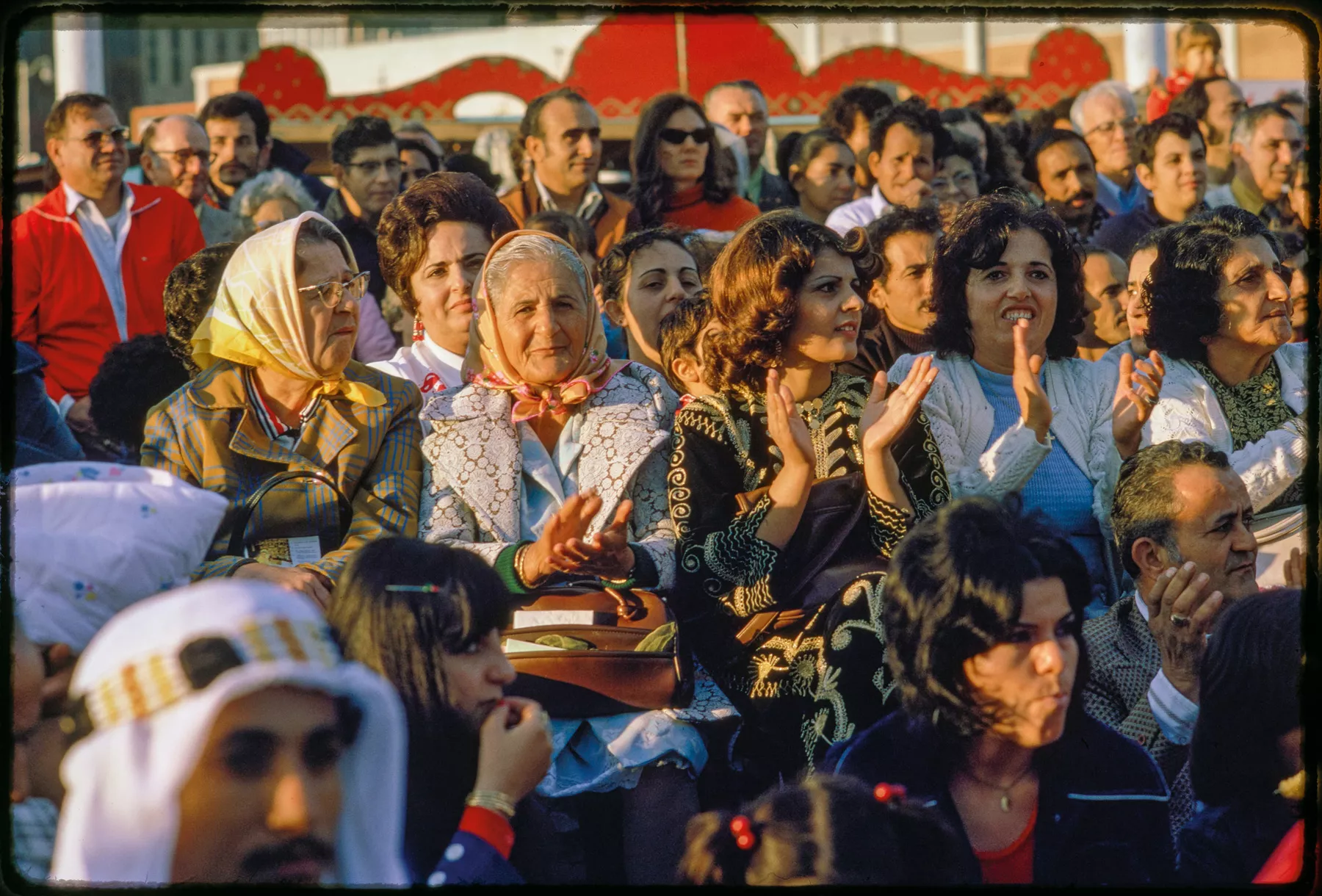
See a Q&A with Nawar Shora, who uses humor and shared stories to explore how understanding builds trust across cultures.
You may also be interested in...
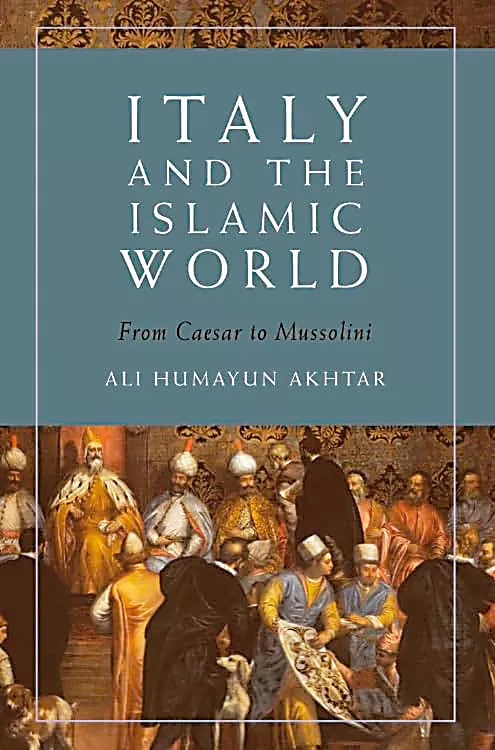
Ali Humayan Akhtar's Italy and the Islamic World—Our Book Review
By situating Italy within its Mediterranean and Islamic contexts, Ali Humayan Akhtar powerfully reshapes how we see its past.
Memoir Paints World’s Biggest Game as Great Connector—Our Book Review
Tim Bascom transforms a lifetime of playing football across five continents into a meditation on belonging, arguing that the game’s great gift is not the goals but the wordless understanding it creates among people.