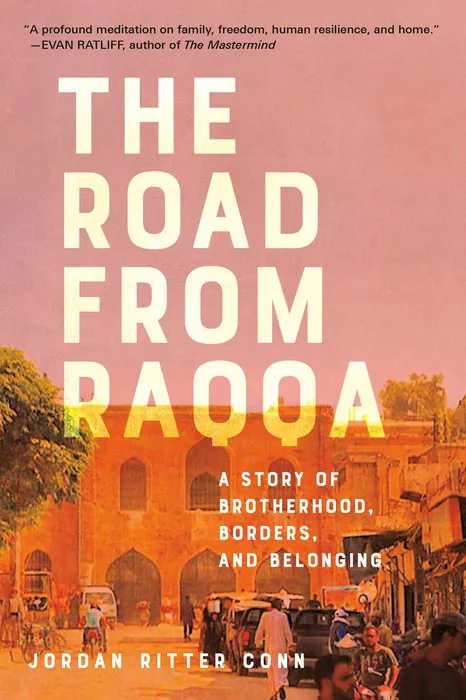
The Road From Raqqa: A Story of Brotherhood, Borders and Belonging
Sophie Kazan
Jordan Ritter Conn
2020, Ballantine Books, 978-1-98481-718-1. $28 hb.
In “Places, Loved Ones” the poet Philip Larkin describes the feeling of belonging to a “place where I could say / This is my proper ground, / Here I shall stay.” It is this deep- rooted feeling of place that is at the root of Jordan Ritter Conn’s The Road From Raqqa. He tells the story of
the Alkasem brothers, Bashar and Riyad, who hail from a historic line of Raqqa’s ancestral leaders. Ritter Conn describes their childhood, the tribal ties and multigenerational gatherings that define the family’s identity and the ways in which these are eroded in time and by global political events: domestic politics in Syria, then attacks on the Twin Towers in New York and ensuing revolutions across the Arab world. As time progresses Riyad realizes that his fondness for Raqqa lives on only in his memories and through his family. This is a beautiful and touching love story for a city loved and lost.
the Alkasem brothers, Bashar and Riyad, who hail from a historic line of Raqqa’s ancestral leaders. Ritter Conn describes their childhood, the tribal ties and multigenerational gatherings that define the family’s identity and the ways in which these are eroded in time and by global political events: domestic politics in Syria, then attacks on the Twin Towers in New York and ensuing revolutions across the Arab world. As time progresses Riyad realizes that his fondness for Raqqa lives on only in his memories and through his family. This is a beautiful and touching love story for a city loved and lost.
You may also be interested in...
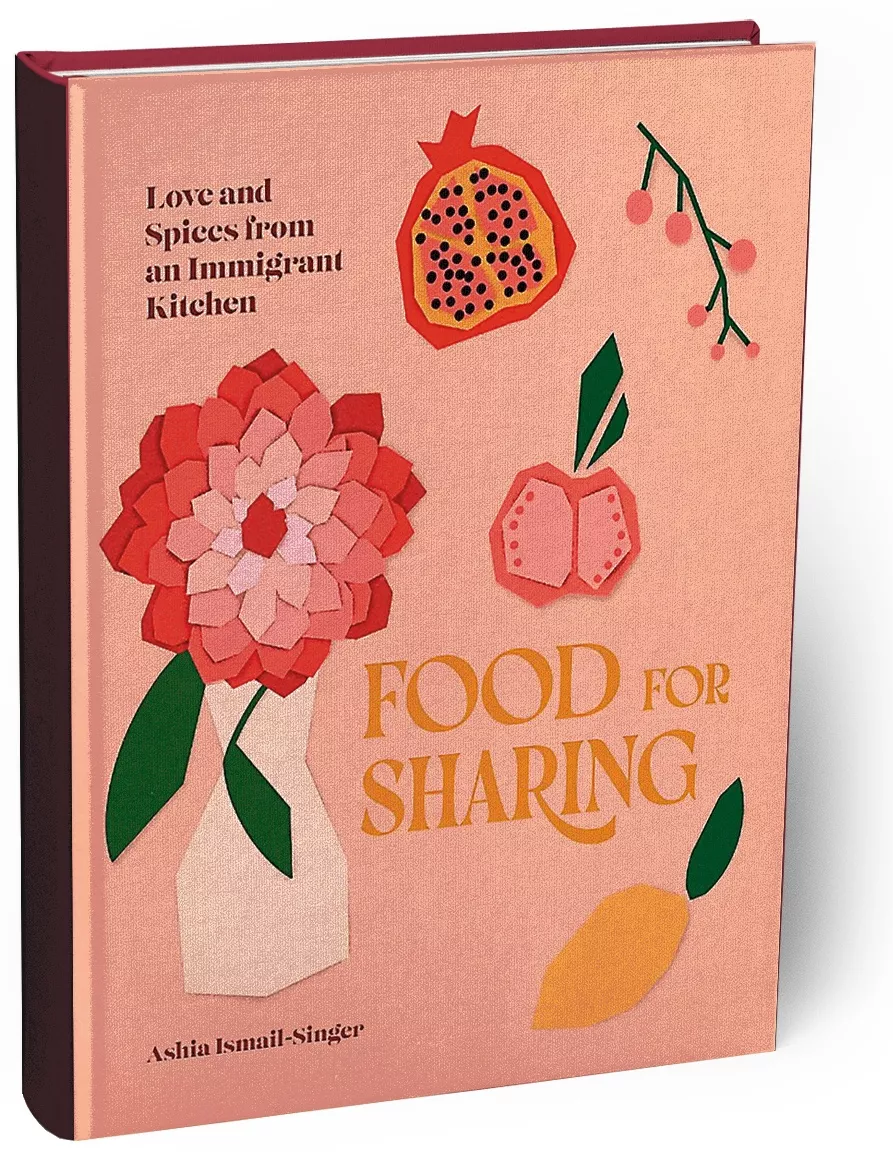
Cookbook Food for Sharing by Ashia Ismail-Singer—Our Book Review
In her third cookbook, Food for Sharing, Ashia Ismail-Singer groups recipes by the social occasions they accompany—presenting food as a means of connecting with cultures around the table.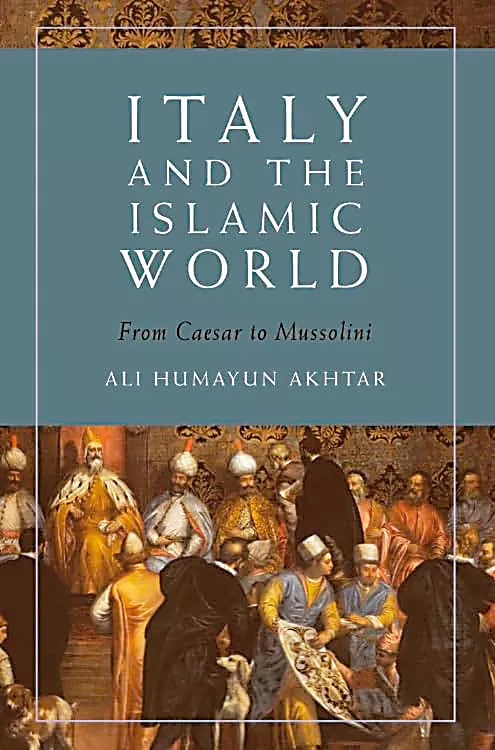
Ali Humayan Akhtar's Italy and the Islamic World—Our Book Review
By situating Italy within its Mediterranean and Islamic contexts, Ali Humayan Akhtar powerfully reshapes how we see its past.