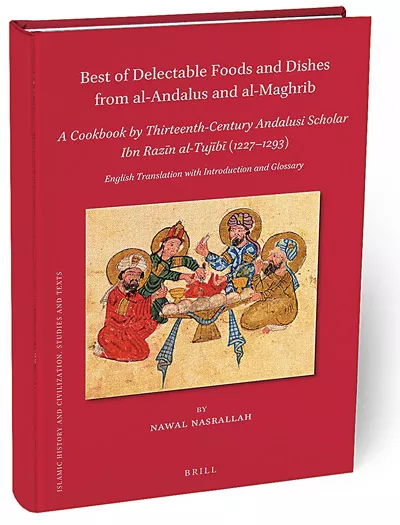
Best of Delectable Foods and Dishes from al-Andalus and al-Maghrib: A Cookbook by Thirteenth-Century Andalusi Scholar Ibn Razin al-Tujibi (1227-1293)
Tom Verde
Nawal Nasrallah
tr. Brill, 2021.
"Even though most of the recipes might hardly ever get to be cooked and tried, including them will indeed rarely fail to please with their novelty and exquisiteness.'
-Excerpt from Nawal Nasrallah’s introduction to Best of Delectable Foods and Dishes from al-Andalus and al-Maghrib
One of only a handful of surviving medieval Spanish cookbooks, Ibn Razin's Fiḍālat has been long known to scholars, even if incompletely. By at least the 17th century, 55 of its 475 recipes had disappeared. Then in 2018 a nearly complete 15th-16th century copy of the cookbook, originally composed in Tunis around 1260 CE, surfaced in the British Library. Alerted to the discovery, Nasrallah, a food historian, set out to produce the first complete English translation, preserving lbn Razin's culinary legacy while modernizing 24 of the recipes for the home cook. The book serves as Ibn Razin's ode to the cuisine of Muslim Spain, before having to flee the Iberian Peninsula's conquest by Christian armies. He nostalgically surveys a wide range of dishes, from everyday boiled fava beans to special-occasion sinhaji, an elaborate stew and forebear of Spain's classic olla podrida. This faithful translation is an important contribution to the history of Andalusi cuisine.
You may also be interested in...
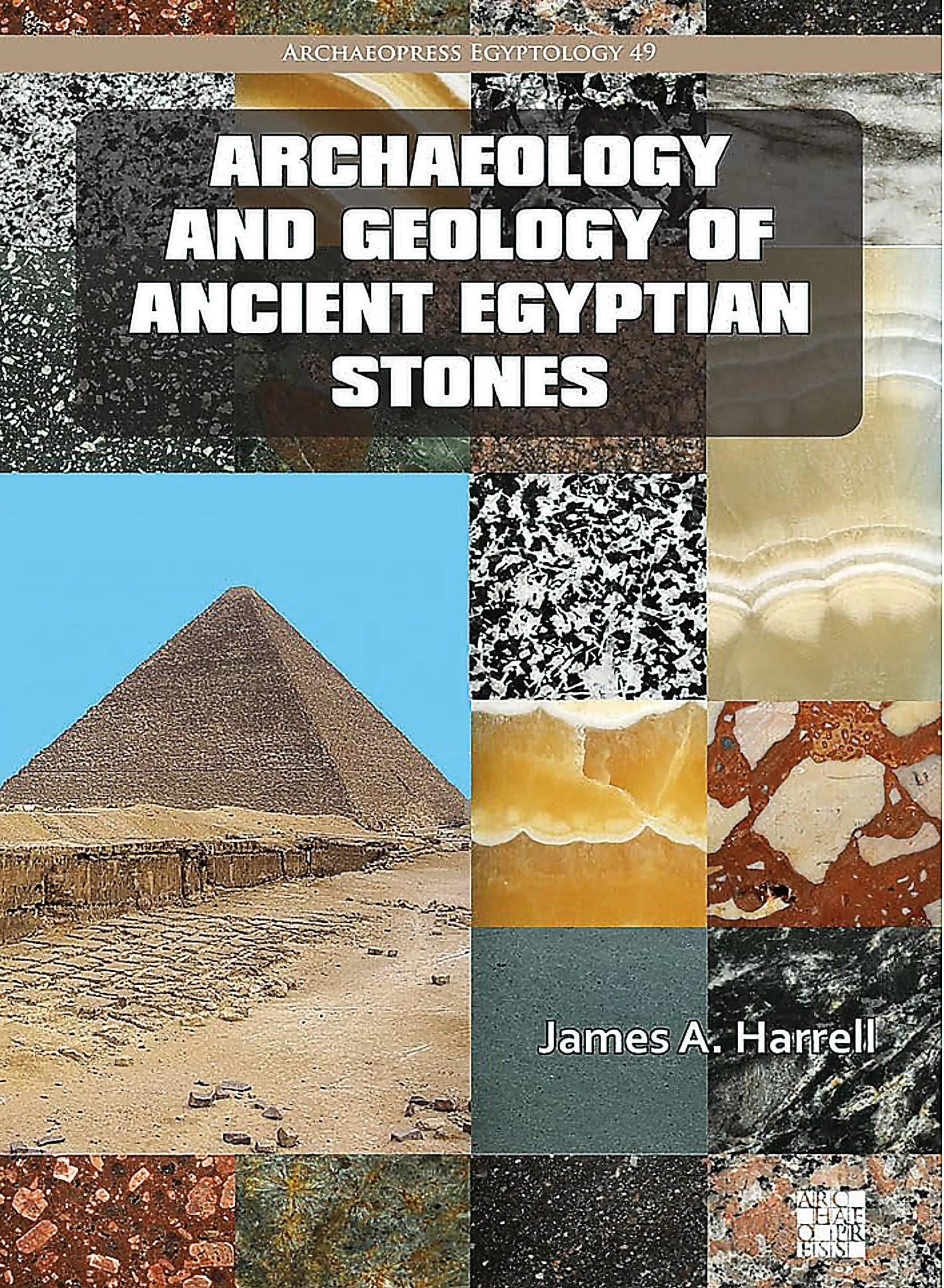
Archaeology and Geology of Ancient Egyptian Stones—Book Review
In categorizing the stones the ancient Egyptians used, author James A. Harrell unites geology, archeology and cultural history in one monumental reference.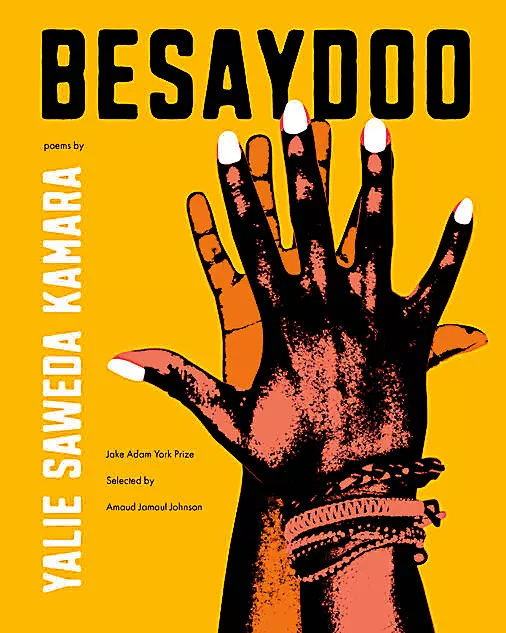
The Two Worlds of Saweda Kamara's Besaydoo: Poems—Our Book Review
Yalie Saweda Kamra's third poetry collection about her experience as a child of African immigrants navigating life in the US and Sierra Leone is both intellectually engaging and emotionally resonant.