FirstLook: Iftar Nights
Iftar means “fast breaking” in Arabic, and the socializing, sharing and community that goes along with it is a worldwide hallmark of the month of Ramadan.
Iftar nights
Sunday, June 26, 8:42 p.m.,
Howard County, Maryland
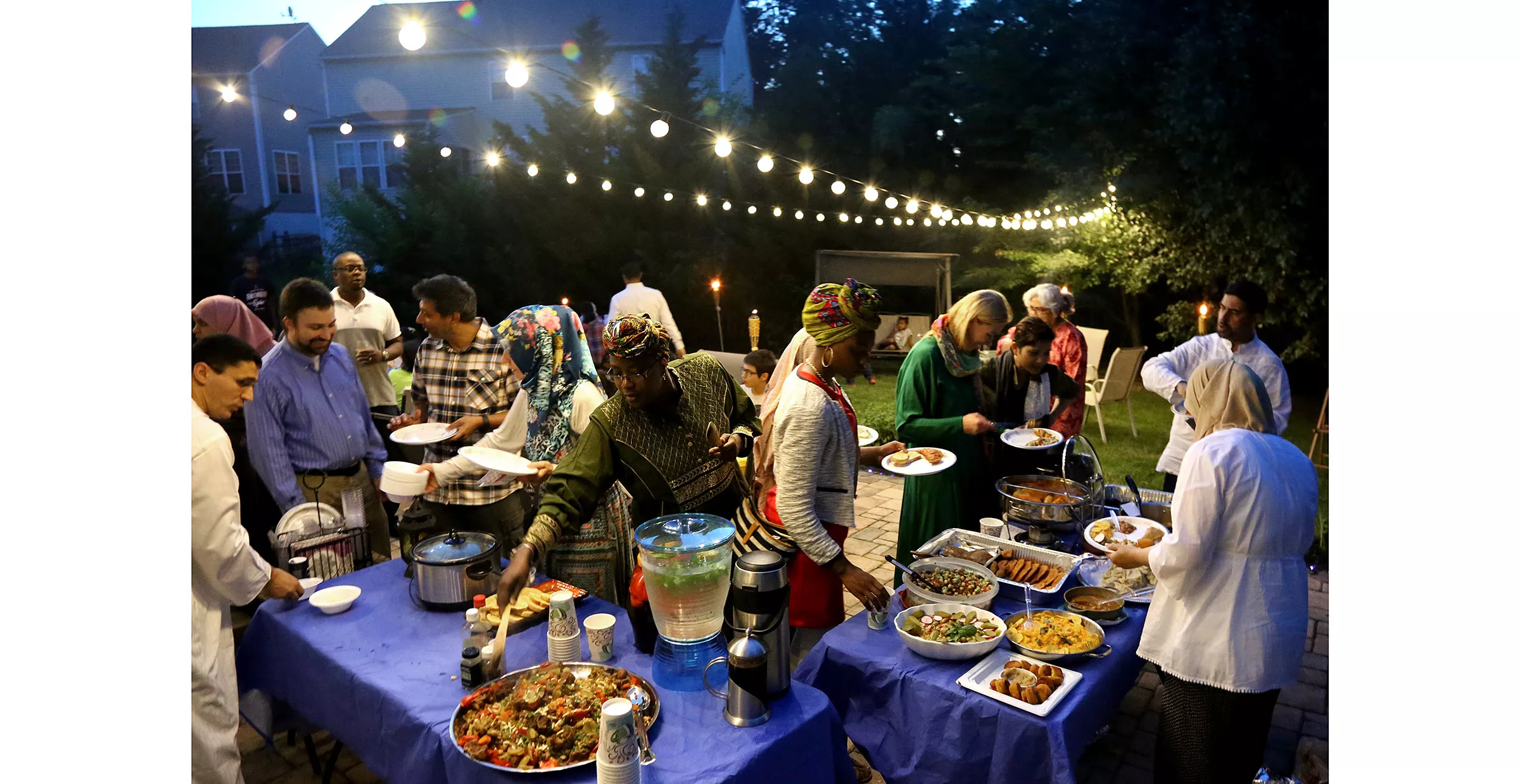
We dug in, as we always do, just moments after sunset, as soon as it was time to break this day’s 16-hour Ramadan fast. As cell phone apps played calls to prayer in near synchrony, a small, hungry crowd descended upon the buffet table.
On this night it was a potluck iftar with a heri-tage theme, and the food mirrored some of the incredible diversity of suburban Baltimore itself: There was Malaysian tapioca cake (bingo ubi kayu), Ecuadorian empanadas, Bosnian stew (Bosanski lonac), Uighur steamed squash and lamb dumplings (petir manta), Italian escarole and beans (scarola e fagipoli), African- American bean pie, Senegalese peanut stew (mafe ginaar) and beignets (puff puff), Palestinian lentil soup (shorabit adas) and St. Thomas jerk chicken—all shared along with stories of their origins among friends old and new.
Iftar means “fast breaking” in Arabic, and the socializing that goes along with it is a worldwide hallmark of the month of Ramadan, which this year began on June 6 and ended with ‘id al-fitr (“feast of the fast breaking”) on July 5. (Following US Independence Day, this gave us a delightful double holiday.) In an upcom-ing feature article, I’ll be sharing some of the recipes you see on this table.
—Laila el-Haddad, author of
“Gaza’s Food Heritage” (N/D 11)
Sunday, June 26, 8:42 p.m.,
Howard County, Maryland
We dug in, as we always do, just moments after sunset, as soon as it was time to break this day’s 16-hour Ramadan fast. As cell phone apps played calls to prayer in near synchrony, a small, hungry crowd descended upon the buffet table.
On this night it was a potluck iftar with a heri-tage theme, and the food mirrored some of the incredible diversity of suburban Baltimore itself: There was Malaysian tapioca cake (bingo ubi kayu), Ecuadorian empanadas, Bosnian stew (Bosanski lonac), Uighur steamed squash and lamb dumplings (petir manta), Italian escarole and beans (scarola e fagipoli), African- American bean pie, Senegalese peanut stew (mafe ginaar) and beignets (puff puff), Palestinian lentil soup (shorabit adas) and St. Thomas jerk chicken—all shared along with stories of their origins among friends old and new.
Iftar means “fast breaking” in Arabic, and the socializing that goes along with it is a worldwide hallmark of the month of Ramadan, which this year began on June 6 and ended with ‘id al-fitr (“feast of the fast breaking”) on July 5. (Following US Independence Day, this gave us a delightful double holiday.) In an upcom-ing feature article, I’ll be sharing some of the recipes you see on this table.
—Laila el-Haddad, author of
“Gaza’s Food Heritage” (N/D 11)
You may also be interested in...

Spotlight on Photography: Orion Through a 3D-Printed Telescope
Arts
With his homemade telescope, Astrophotographer Zubuyer Kaolin brings the Orion Nebula close to home.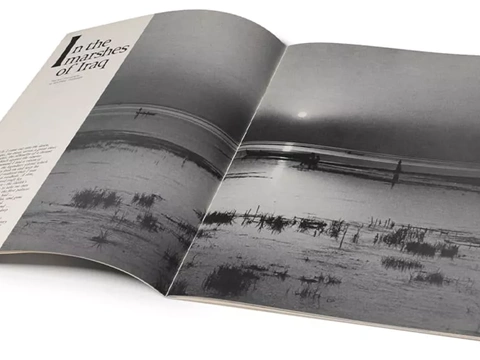
Spotlight on Photography: Discover the Marshes of Iraq in a Visual Story by Wilfred Thesiger
Arts
History
“In the Marshes of Iraq” — November/December 1966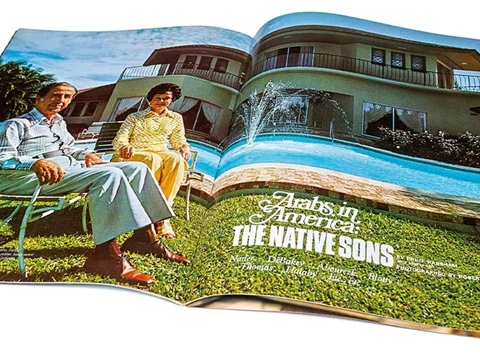
Spotlight on Photography: Arabs In America
Arts
In 1975 AramcoWorld dedicated an entire issue to celebrating the lives of Arab Americans and their impact—from renowned heart surgeon Michael DeBakey to White House correspondent Helen Thomas to entertainer and St. Jude Children’s Research Hospital founder Danny Thomas.