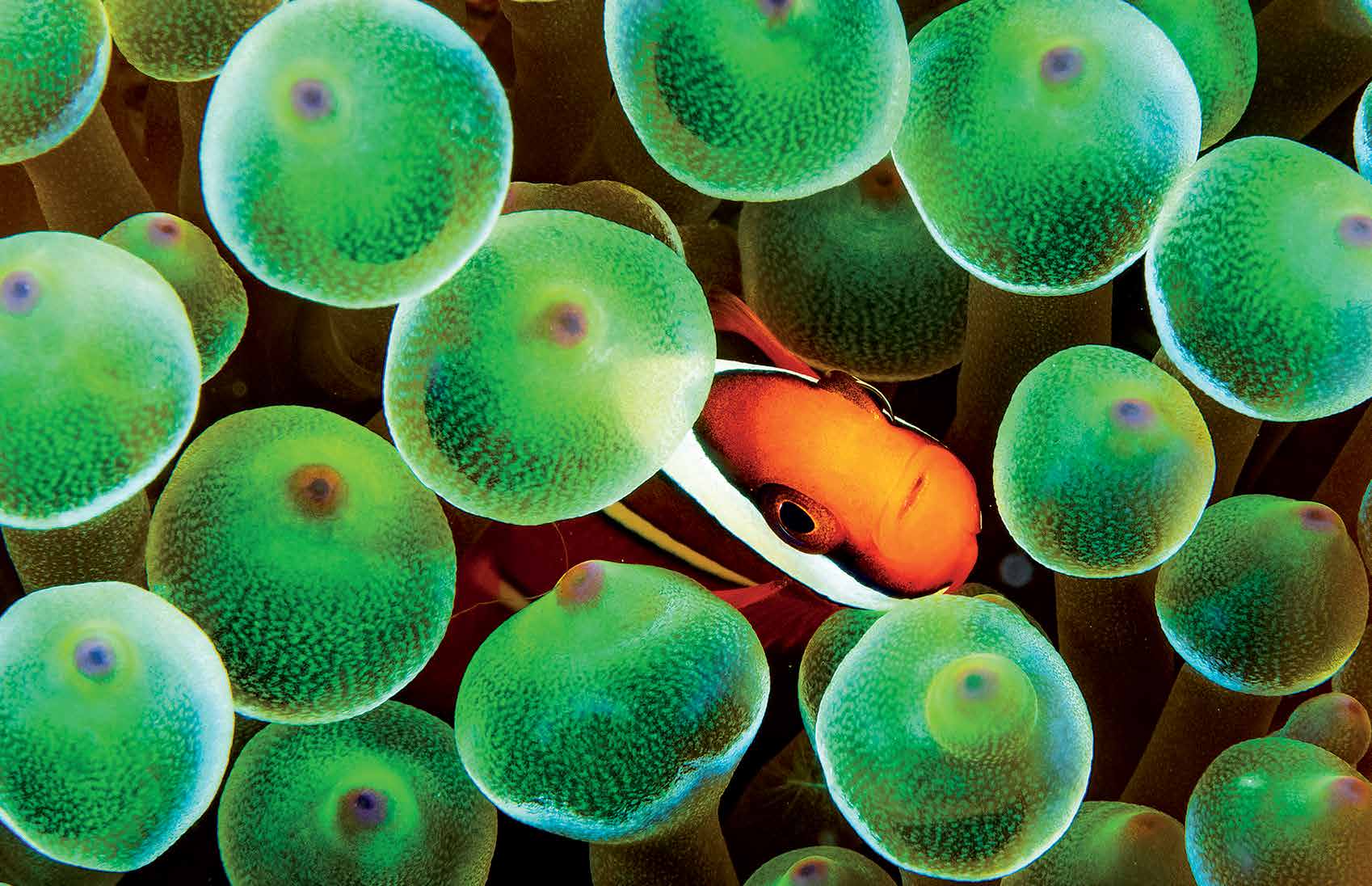
Spotlight on Photography: Peekaboo With a Philippines Clownfish
Nurul Yazid reveals an underwater world few get to see up close in Anilao, Philippines.
For as long as I can remember, I’ve been drawn to the ocean— learning to swim at 3, snorkeling by 5 and dreaming of becoming a dolphin trainer. After a stint in the corporate world, I became a dive instructor and later fell in love with underwater photography.
At first I was what you would call a hard-core hobbyist, always desperate to get back in the sea with my camera. But the ocean’s wonders proved too beautiful to keep to myself, so I began shooting professionally.
While a lot of my peers may look down on photographing clownfish because of how common they are, I couldn’t resist shooting this one in Anilao, a popular dive spot in the Philippines, south of Manila, while vacationing with friends in 2014. I was drawn to the color contrast: the green anemone with the reddish clownfish. Though anemones sting, clownfish are immune to their venom. This protection allows clownfish to live safely among the anemones’ tentacles.
Today my work has been featured in numerous magazines and websites. From swimming with sharks in the Bahamas to viewing the acrobatics of manta rays in Indonesia, I strive to tell compelling stories through my photography.
Nurul Yazid is a professional underwater photographer based out of Bali, Indonesia, and Kuala Lumpur, Malaysia. She is known for any shoots in water—be it a swimming pool, lake, river and, of course, the ocean.
You may also be interested in...

Survey Results: Our Readers Reflect on What Football Means to Them
Ahead of the 2026 World Cup, AramcoWorld’s question, “What does football mean to you?,” generated hundreds of replies from readers about playing and/or watching the sport. Here’s a sampling of responses.
An Alchemist's Quest To Re-create Medieval Healing Foods
Food historian and Arabic scholar Daniel Newman spent decades studying and re-creating centuries-old recipes, revealing the reasoning and alchemy behind food as medicine.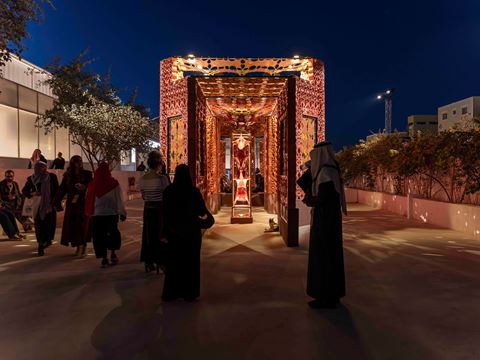
Rhythms and Processions Ignite Diriyah Contemporary Art Biennale
The exhibit that takes place in Saudi Arabia is inspired by the Arabian Bedouins’ nomadic journeys, and their connective force across history, culture and art.