When India Sailed to Makkah: A 350-Year-Old Hajj Chronicle
The 17th-century Anīs al-Ḥujjāj, a Hajj travelogue newly translated into English, shows the forgotten maritime world that bound Mughal India to Islam's holiest city.
6 min
Written by Nilosree Biswas
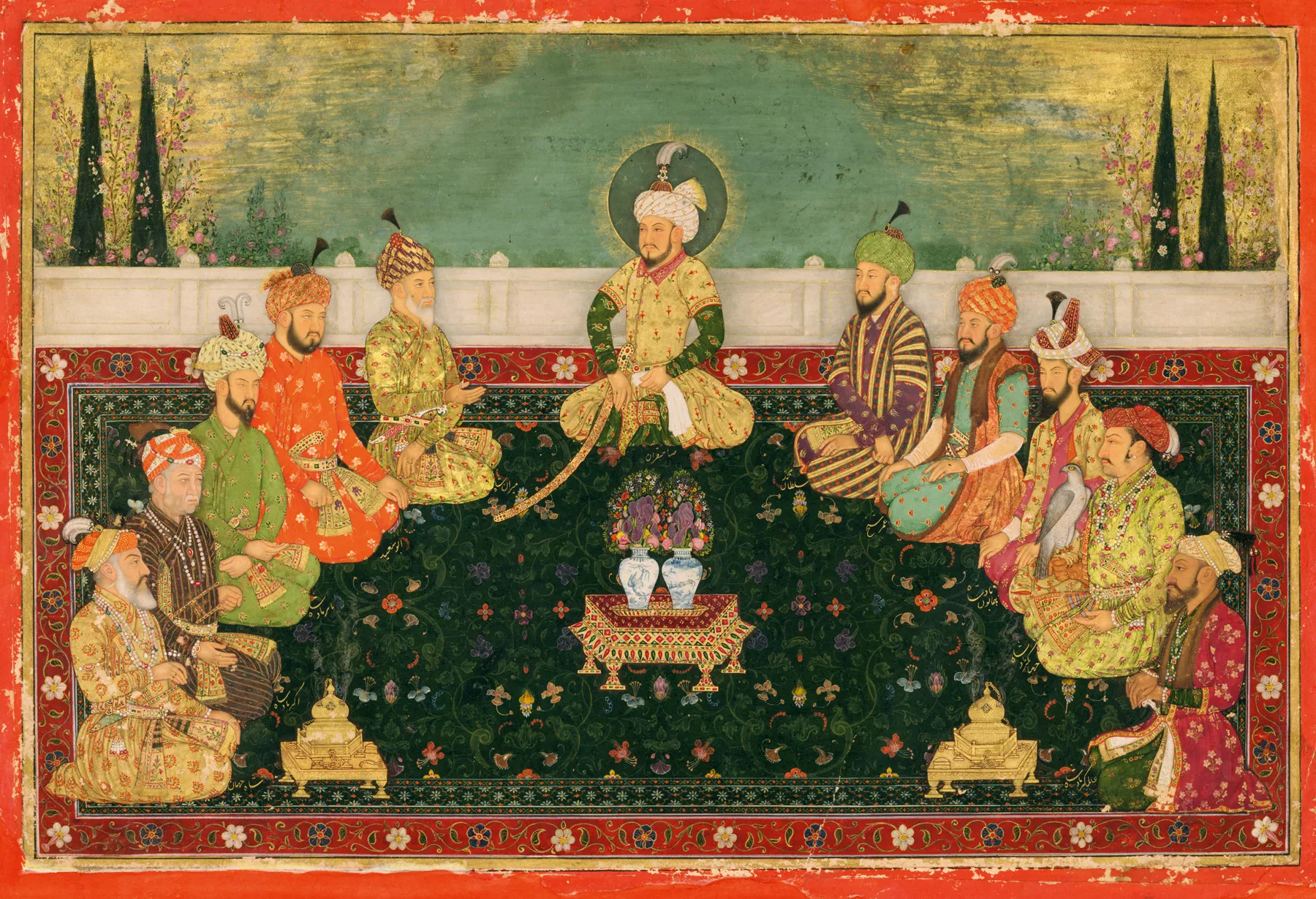
The rulers of the Mughal dynasty from Babur to Aurangzeb, with their ancestor Timur, India, c. 1707-12, MSS 874. Credit: The Nasser D. Khalili Collection of Islamic Art, © Khalili Family Trust
On the morning of September 20, 1676 (12 Rajab, 1087 AH), the Baghdadi merchant ship Salamat Ras set sail from Surat, the great Mughal port on India’s western coast, also known as Bandar-i-Mubarak (the Blessed Port). Its canvas caught the northeast monsoon—the seasonal winds that for centuries carried merchant vessels and pilgrim fleets across the Indian Ocean to Arabia. Slowly, the shoreline would dissolve into haze.
Among the 472 named passengers gathered on deck—together with another 40 whose names went unrecorded—stood Safi bin Vali al-Qazvini (sometimes written as Safi ibn Vali al-Qazvini), a Mughal scholar and court official who wrote under the pen name Haqir, meaning “the lowly” or “wretched.” Like hundreds of fellow pilgrims aboard, he was bound for Makkah, in modern-day Saudi Arabia, to perform the Hajj, the pilgrimage that Muslims who are physically and financially able are expected to undertake once in their lifetime.
Watching India disappear behind him, Safi b. Vali wrote: “Facing the receding land, they were pulled out by the tide of contemplation to sink into deep reflection upon that world of water and the raw reality of crossing the Almighty’s mighty ocean.”
His words survive because he chose to record the details of this sacred voyage.
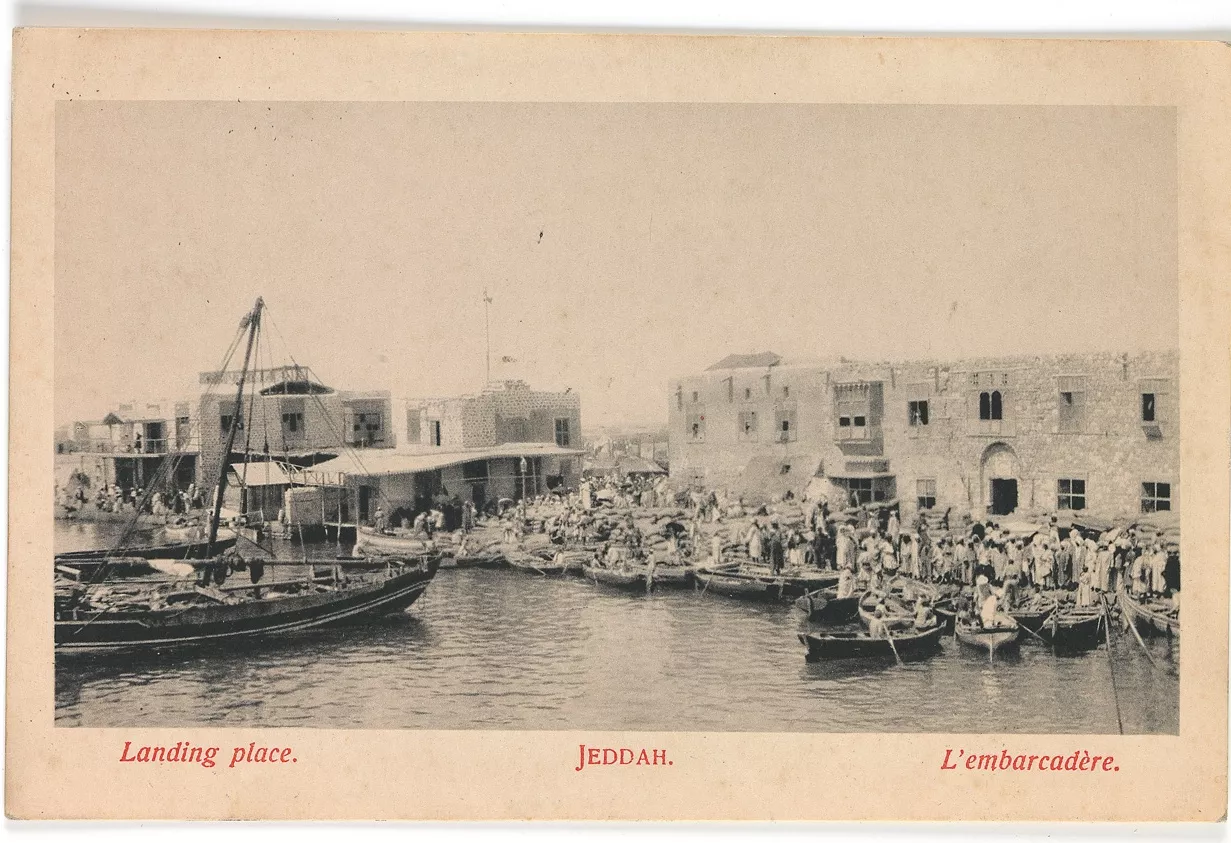
Landing place. Jeddah. L’embarcadère, early 20th century, photo-postcard, ARC.pc 290
Hajj and the Arts of Pilgrimage, Khalili Collections, © Khalili Family Trust
Three and a half centuries later, only three copies of Anīs al-H.ujjāj are known to survive: two illustrated manuscripts, in the Khalili Collection in London and the Chhatrapati Shivaji Maharaj Vastu Sangrahalaya in Mumbai, and an unillustrated copy in Iran.
Despite its importance, the work had remained largely inaccessible to English readers. “The main reason is that the text is extremely rare,” says Qaisra Khan, curator at the Khalili Collections and author of the extended introduction to a new English-language translation.
Much of what English-language scholarship has said about the manuscript ultimately derives from excerpts circulated by the Indian Ocean historian Jan Qaisar’s unpublished handwritten translation produced in the 1980s. Although scholars had long recognized the need for a complete modern edition, translating and studying the manuscript has proved a lengthy undertaking. Khan, who first encountered the manuscript in 2008, says publishing the full work had remained “a long-standing ambition.”
In the spring of 2026, the Khalili manuscript became the basis of the first complete English translation, opening a window onto a world where faith traveled by sea and the annual pilgrimage bound Mughal India to the wider Islamic world.
“In the colloquial sense of an inflection point, this volume therefore represents a milestone in the study of the manuscript, and more broadly in Indian Ocean, Mughal and Hajj studies,” says Michael Burns, a cultural heritage expert who specializes in Classical Arabic and Persian texts and translated the book from the original Persian.
The work defies easy classification. “It is at once travel narrative, devotional writing and courtly document, including poetry, theology, history, anthropology, linguistics, medicine and practical advice,” he says.
“The Mughal Empire was one of the largest, wealthiest and most culturally influential empires of the early modern world,” says Syed Ali Nadeem Rezavi, a historian of the Mughal Empire and former professor of medieval Indian history at Aligarh Muslim University in northern India. Standing alongside the Ottoman, Safavid and Qing empires, its thriving manufacturing economy and extensive international trade linked Mughal India closely to the wider Islamic world.
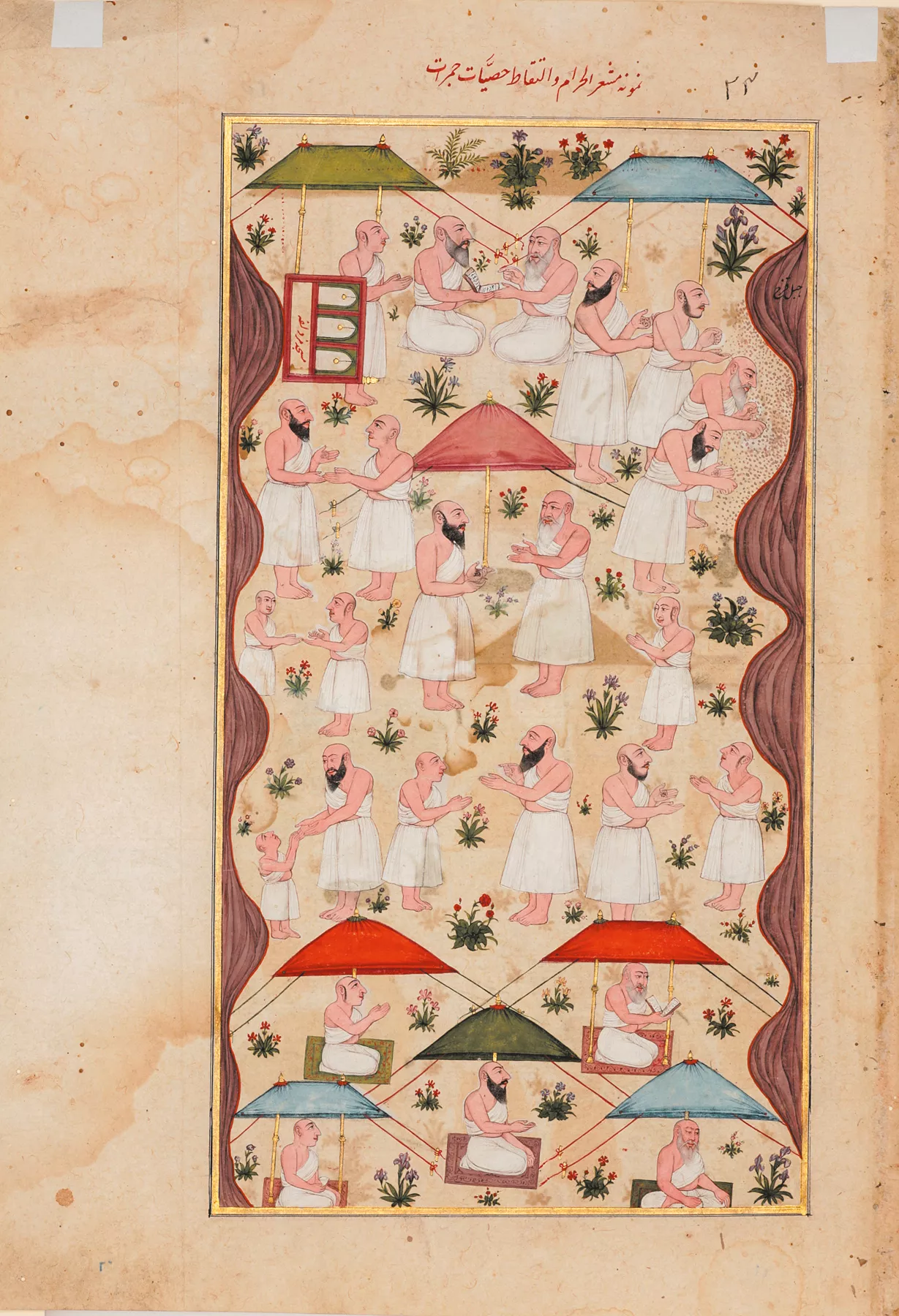
Al-Mash‘ar al-Harām and the Gathering of Pebbles for the Jamarat, Anīs al-H.ujjāj by Safi ibn Vali, India, 1666-67, MSS 1025, folio 10a
Hajj and the Arts of Pilgrimage, Khalili Collections © Khalili Family Trust
For historians, Anīs al-H.ujjāj’s outward-looking perspective is part of the manuscript’s significance. Most Mughal chronicles focus on emperors, wars and court politics. “Vali, by contrast, looks outward,” Rezavi says.
Part travelogue, part practical handbook and part courtly manuscript, the book’s folios are ruled with elegant Persian calligraphy, headings illuminated in gold and framed by deep indigo, reflecting the refined craftsmanship of Mughal manuscript production.
Turn the page, and words give way to image: a ship under full sail, pilgrims circling the Kaaba (Ka’bah)—the cube-shaped stone building at the center of Islam’s holiest site—the ports of Surat and Jeddah, on the Red Sea. Across 46 paintings, the voyage unfolds scene by scene, drawing the reader into the crossing itself. The manuscript’s visual emphasis is telling. Surat is the only Indian location to appear in the illustrations, highlighting the city’s role as the principal maritime gateway to the Hajj.
For Rishad Choudhury, a historian of South Asia and the Indian Ocean at Oberlin College in the US state of Ohio, the illustrations rank among the manuscript’s greatest achievements. The Khalili copy, he says, is “ornamented with some of the finest visual artworks produced on the Meccan pilgrimage from the premodern era [and depicts] the ports of Surat and Jeddah, images of pilgrim ships crossing the Arabian Sea, and illustrations of the rituals that were performed at different stages of the hajj, including the sacrifice of animals at Mina.”
Beautiful as they are, the paintings conceal one mystery: Who painted them?
Khan believes the paintings were the work not of Safi b. Vali but of another hand.
The style, she argues, “points to an artist who was clearly trained but not working at the very highest courtly level.” Khan suggests the painter was probably active just north of the Deccan, perhaps in Gujarat: “Certain features, such as the large, wide-open eyes and dark pupils of the figures recall Deccani painting, while the overall compositions and familiarity with maritime settings suggest a Gujarati background.”
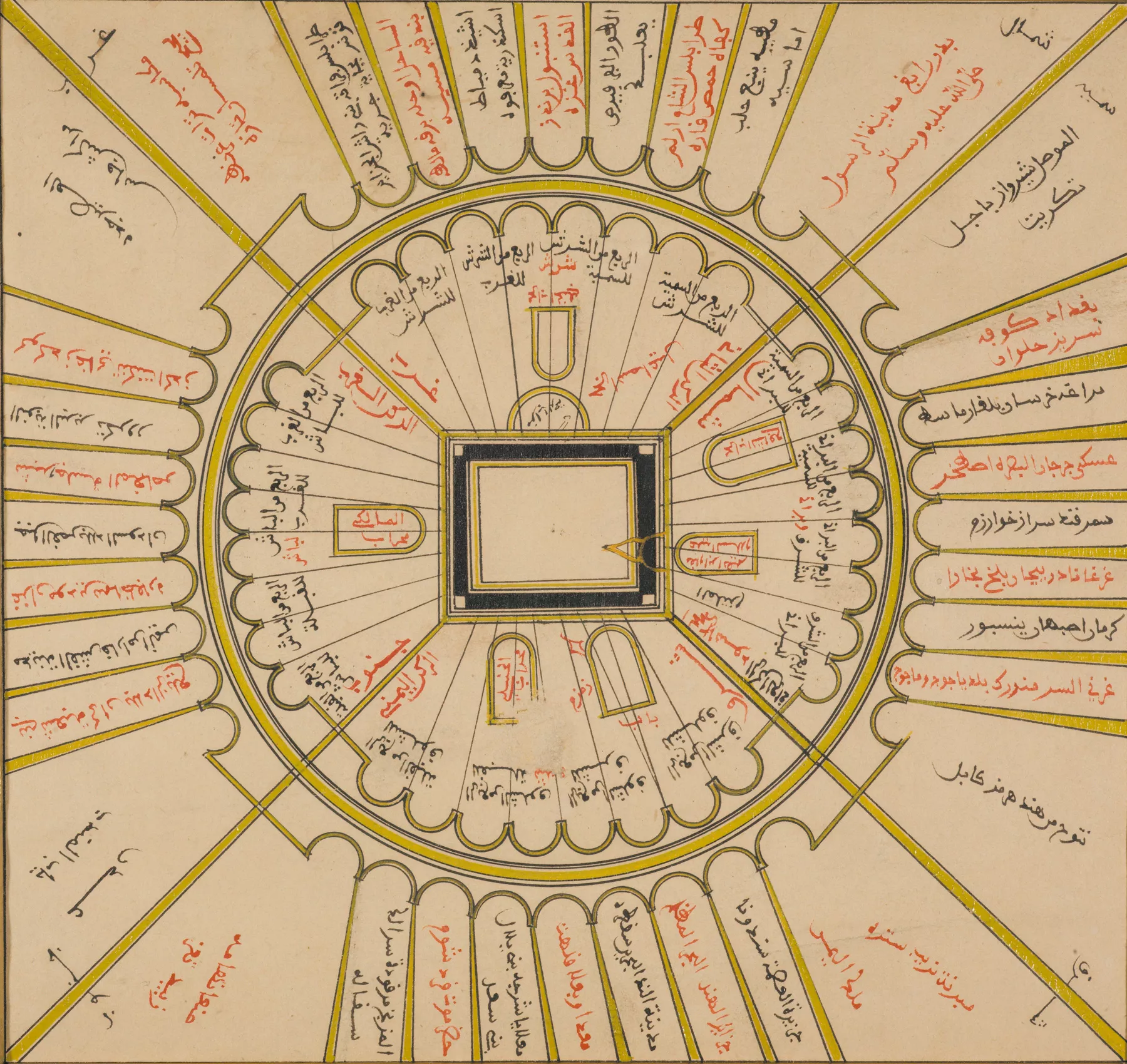
Diagram showing the orientation of various cities towards the Ka‘bah, arranged within four sectors corresponding to its corners (arkān), North Africa, 18th century, MSS 765
Hajj and the Arts of Pilgrimage, Khalili Collections © Khalili Family Trust
“This volume ... represents a milestone in the study of the manuscript, and more broadly in Indian Ocean, Mughal and Hajj studies.”
The Crossing
When Safi b. Vali boarded the Salamat Ras, he joined a floating world. His journey was far from unusual. As Rezavi notes, he belonged to “a broad and established pattern of mobility,” as pilgrims, merchants and scholars traveled regularly among Mughal India, Iran and Arabia.
Around him were: “Arabs, Rumis, Turanis, Indians, Iranians, Afghans, Georgians and ‘Araks,’” Safi b. Vali writes. Some, he observed, were “astute and obtuse, proper and crass.” For weeks they would share the same decks, provisions—and uncertain horizon.
Makkah may have been their common destination, but Safi b. Vali’s curiosity lay in the journey itself. Before he tells readers how to approach the Kaaba, he explains how to survive the crossing.
Choose your ship carefully, he advises: “Select a ship that is neither small nor very old; one whose bow is the shape of a bird’s breast.”
Take more provisions than you think you will need: “For the pilgrim will be as contented as his pantry is broad.” Even eggs, he notes with reassuring practicality, “keep better when stored in salt or sand.”
It is this attention to the ordinary that distinguishes Anīs al-H.ujjāj from almost every other Hajj account of its age.
“What gives the text much of its character … are what I would call ‘sketches’: short anecdotes and observations, sometimes humorous, woven throughout the narrative,” Khan notes. “These add color and personality to the account and remind the reader that this was an experience rather than simply a religious manual.”
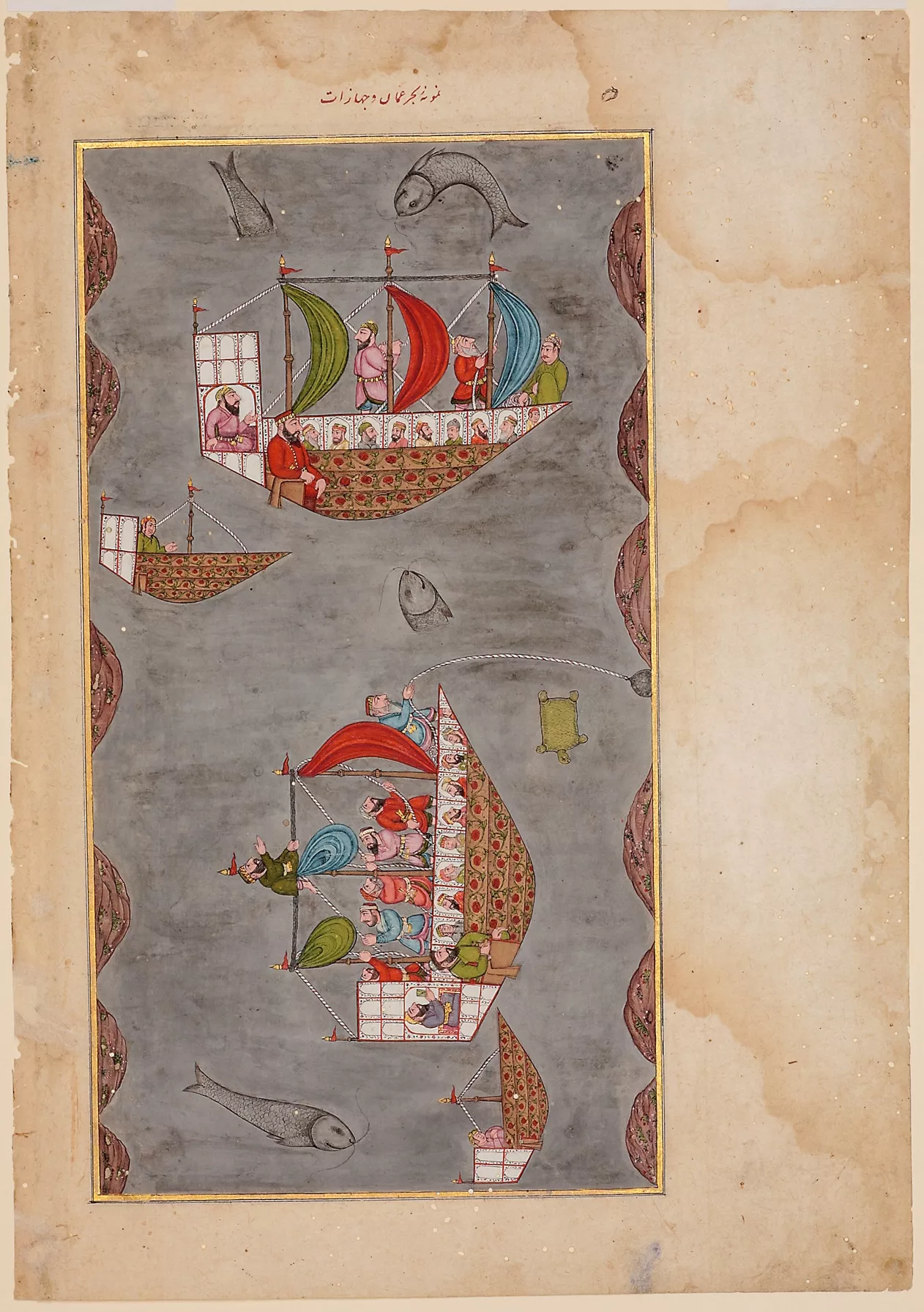
The Sea of Oman and Ships, Anīs al-H.ujjāj by Safi ibn Vali, India, 1666-67, MSS 1025, folio 3b
Hajj and the Arts of Pilgrimage, Khalili Collections © Khalili Family Trust
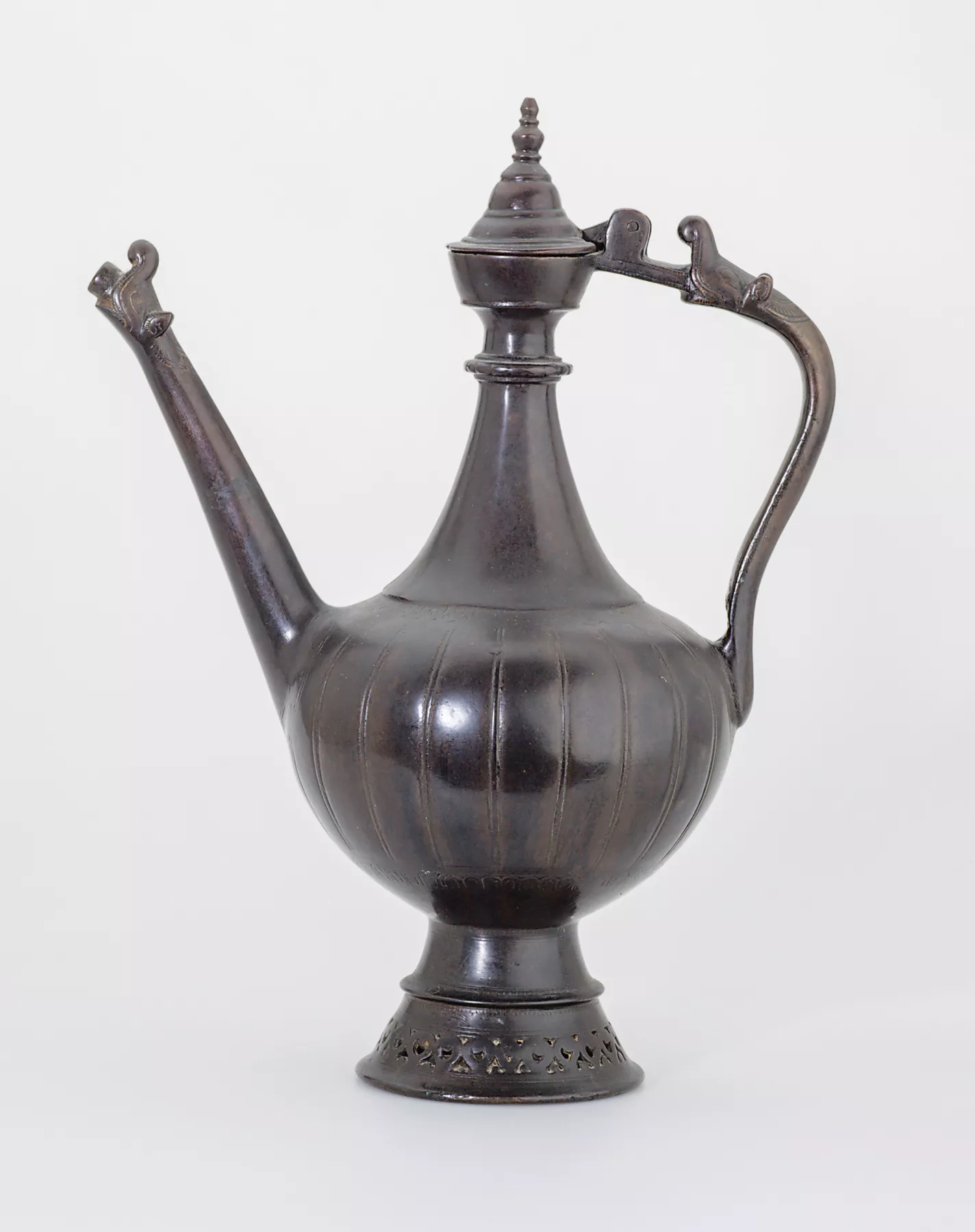
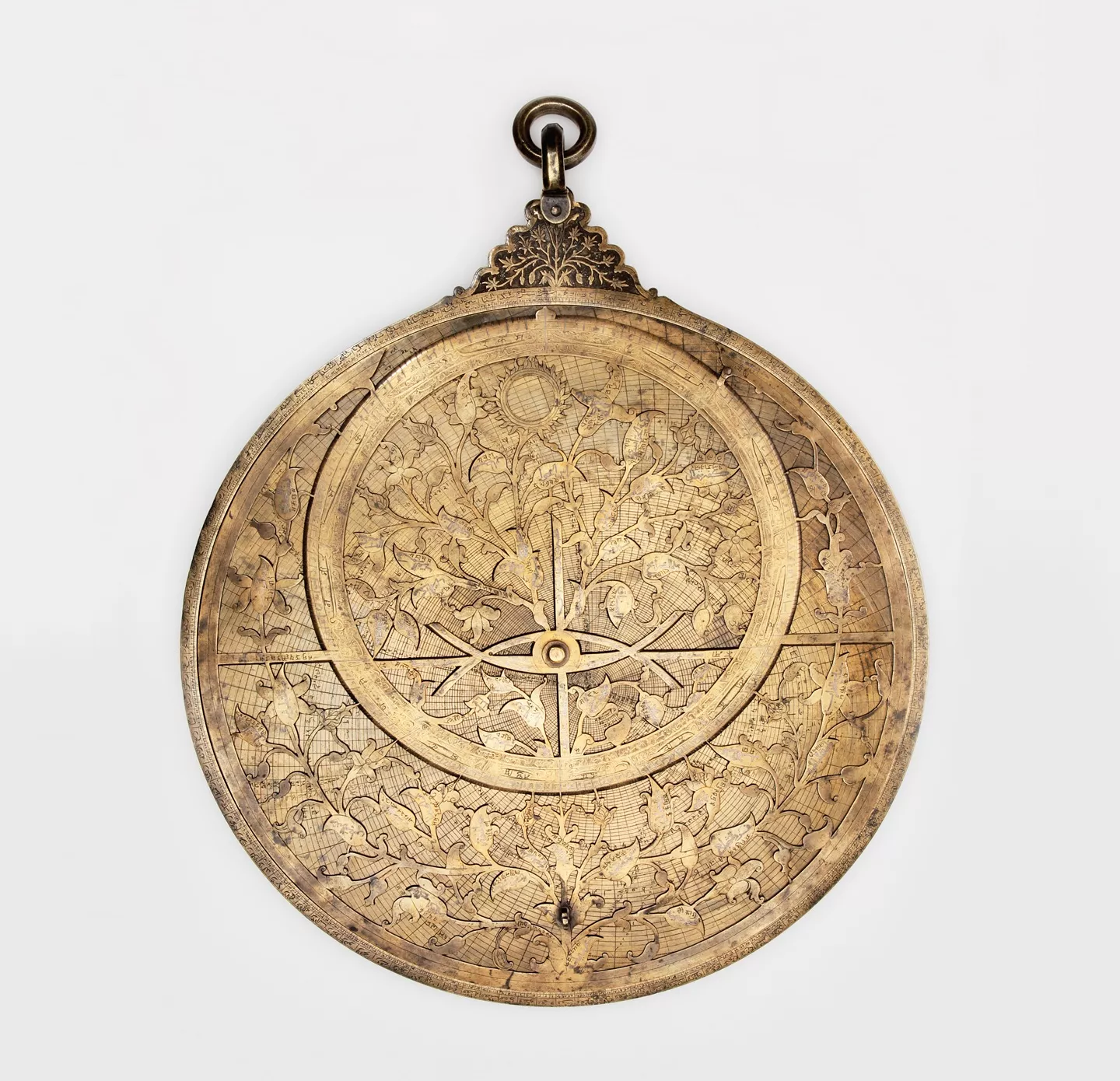
Left Ewer, northern India or Deccan, 16th century, MTW 1656 Right A monumental planispheric astrolabe made for Shah Jahan, probably the work of Diya’ al-Din Muhammad Lahuri, 1648–58, Lahore, SCI 53
The Nasser D. Khalili Collection of Islamic Art © Khalili Family Trust;
They are what give Anīs al-H.ujjāj its warmth, she suggests. Safi b. Vali lingers over the people he meets, the ports he passes and the small practicalities of life at sea. They remind the reader that this was a lived experience.
“What makes the work particularly pathbreaking is the level of attention given to the practical experience of travel. Safi ibn Vali writes not only about religious devotion but also about ports, sea routes, towns, supplies, fellow pilgrims and the organization of the Hajj caravan,” Khan adds.
It’s what makes the manuscript stand out, says Choudhury, whose research explores the history of the Hajj across the Indian Ocean.
“Safi bin Vali gave readers a fascinatingly vivid view of the internal social world of a Mughal-era seagoing vessel,” he says.
“He wrote of how shipmen carried out their duties, with the captain (naukhuda) and the supercargo (kar-rani) working together to supervise the passenger manifest (siyaha); of the ship’s room and board facilities, noting some of the finer points of how passengers were accommodated on deck (arsha) or inside cabins (balanj); how fresh water was distributed from the ship’s tank (finta); and how foods like breads and baked goods (nan, kulcha, sambusa), sweets (shakarpara, halwa) and meat dishes (qurma, qima) were stored and prepared in the ship’s kitchen (matbakh). So far as we know, there exists no comparable account—perhaps in any language or from any region in South Asia from before circa 1800—that provides such densely detailed information from inside an Indian Ocean ship.”
Unlike official Mughal chronicles, which largely focus on emperors and court politics, Rezavi says, Anīs al-H.ujjāj records “the experiences of an educated Mughal traveler.” It reveals pilgrimage, maritime travel and commercial networks through the eyes of someone moving across the wider Islamic world rather than remaining within the empire’s frontiers.
Safi b. Vali’s account records the voyage in extraordinary detail. The voyage itself, however, depended on something less visible: patronage.
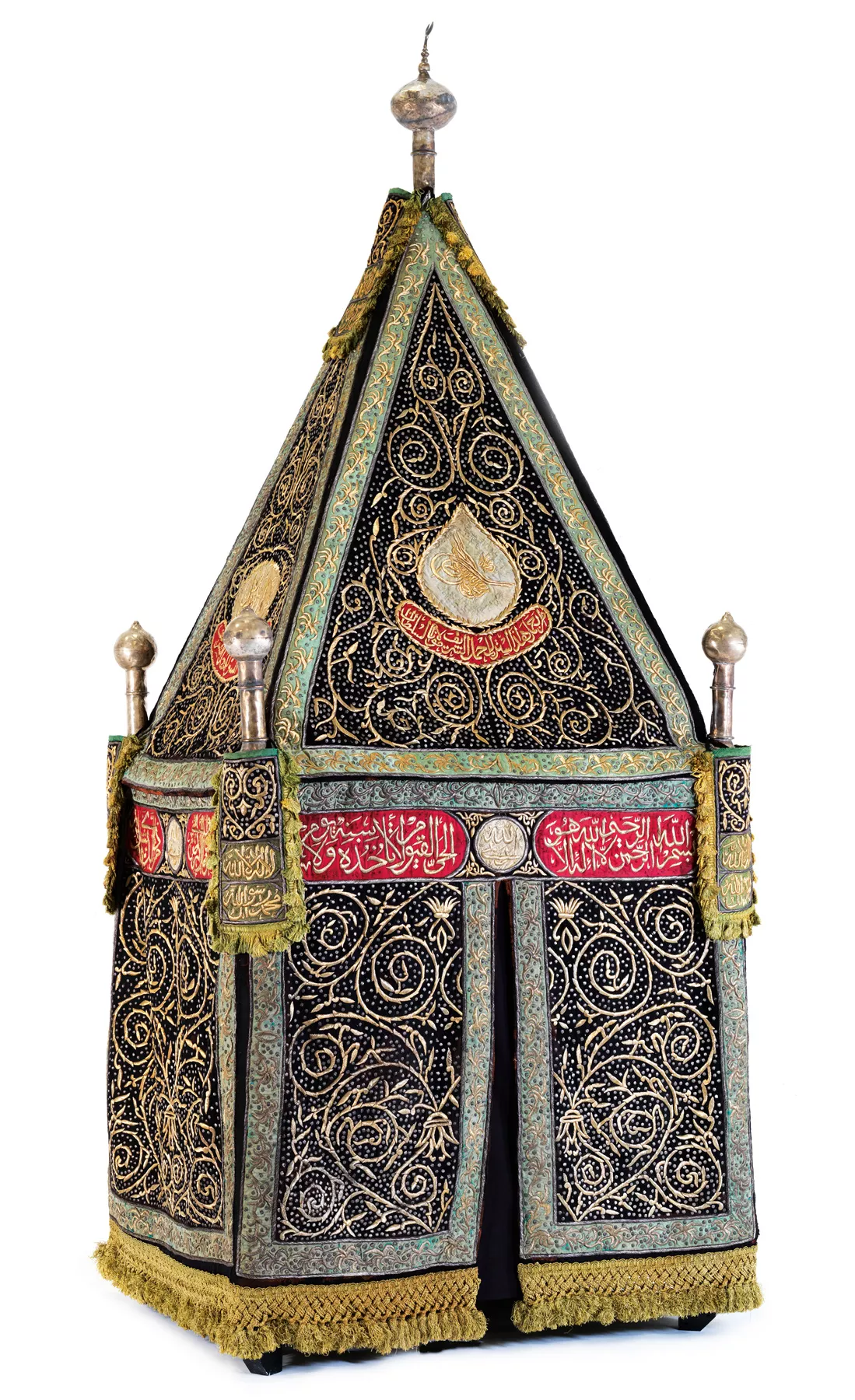
Complete sitr for a mahmal, commissioned by Sultan Mahmud II and later reused by Isma’il Pasha, the Khedive of Egypt, Cairo, c. 1808–79, TXT 469
Hajj and the Arts of Pilgrimage, Khalili Collections © Khalili Family Trust
Mughal Patronage— the Benefactor Princess
Not every pilgrim who reached Surat could continue the journey. Crossing the Indian Ocean demanded money, preparation and powerful networks of support. Few pilgrims undertook the Hajj without assistance. Behind many journeys stood patrons who financed scholarship, rewarded loyal service or enabled pilgrims to travel thousands of miles before they had even reached the coast.
Safi b. Vali’s own journey appears to have unfolded within just such a network.
Before leaving for Makkah, he had completed a Qur’anic commentary, Zeb al-Tafasir, dedicated to Zeb-un-Nissa, the eldest daughter of Emperor Aurangzeb. Poet, scholar and patron of learning, she was a hafiza, or one who has memorized the holy book, and wrote Persian verse under the pen name Makhfi—“the hidden”—and presided over one of the most intellectually vibrant circles at the Mughal court.
Zeb-un-Nissa sponsored Safi b. Vali’s pilgrimage, most likely as both an expression of Mughal courtly patronage and a reward for his scholarly service. Khan also suggests another intriguing possibility: that Zeb-un-Nissa may have wished to undertake the Hajj by proxy through a trusted scholar who could perform the pilgrimage and return with a learned and richly illustrated account. “Beyond that,” Khan says, “we can only speculate.”
Long before Safi b. Vali boarded the Salamat Ras, Mughal royal women had helped shape that tradition. At its forefront was Bega Begum, wife of the Mughal dynasty’s second emperor, Humayun. In 1564-’65 she went on the pilgrimage, returning bestowed with the title Hajji Begum. A decade later a robust all-female group went on Hajj, led by Gulbadan, daughter of Mughal founder Babur and sister of Humayun. Their generosity became so renowned that, as Choudhury says, the distribution of “gifts, charity and alms” by Gulbadan’s party provoked intense jealousy from the court of the Ottoman Sultan Murad III, unwilling to share religious prestige with members of a rival dynasty.
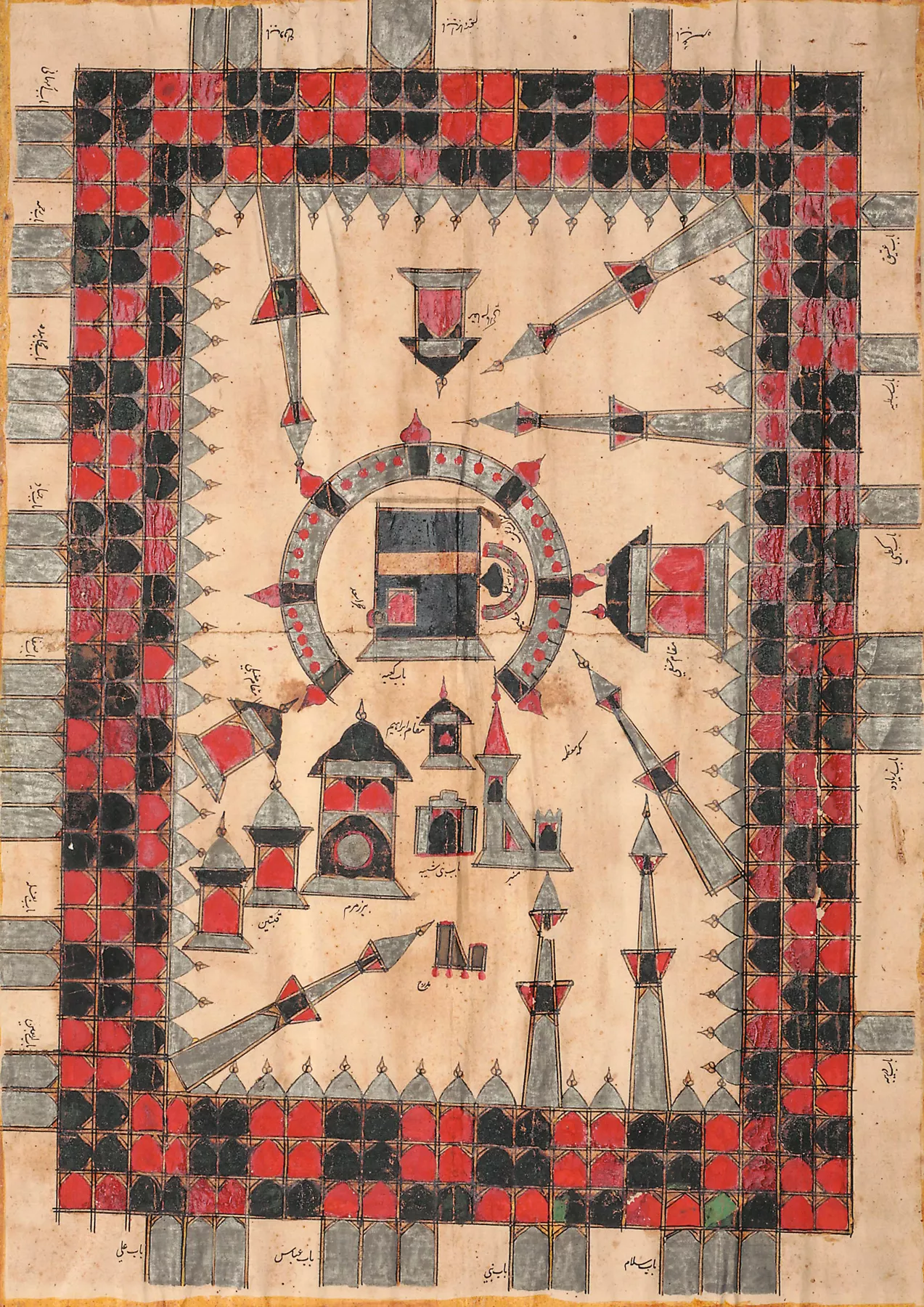
Hajj and the Arts of Pilgrimage, Khalili Collections © Khalili Family Trust
“The Mughal harem or zenana [the part of the traditional Indian Muslim house reserved for women] broadly included some of the most dynamic patrons and participants of the Hajj from pre-modern India,” Choudhury notes.
Placed alongside Safi b. Vali’s account, those journeys reveal something larger than the story of one pilgrim. They reveal an Indian Ocean that connected Mughal India to Makkah through routes of learning, commerce and faith. As Rezavi puts it, “The Hajj was perhaps the single greatest institution binding these regions together.”
Ships carried spices and textiles, but they also carried books, scholars, poets, jurists and pilgrims. The voyage was one of the ways the Mughal world believed itself part of a wider Islamic community.
That world might easily have been forgotten were it not for Safi b. Vali’s determination to record it.
Turn the pages, and the sea begins to move again. The Salamat Ras slips from its moorings. The monsoon gathers in its sails. India recedes into the haze while Makkah still lies beyond the horizon. Around Safi b. Vali, strangers become companions, sharing food and uncertainty as they cross an ocean together.
Three and a half centuries later, the voyage has not ended. It simply continues in another form, carried now by a manuscript that preserves one man’s pilgrimage—and an entire Mughal world.
More from AramcoWorld
From the Archive: The Longest Hajj
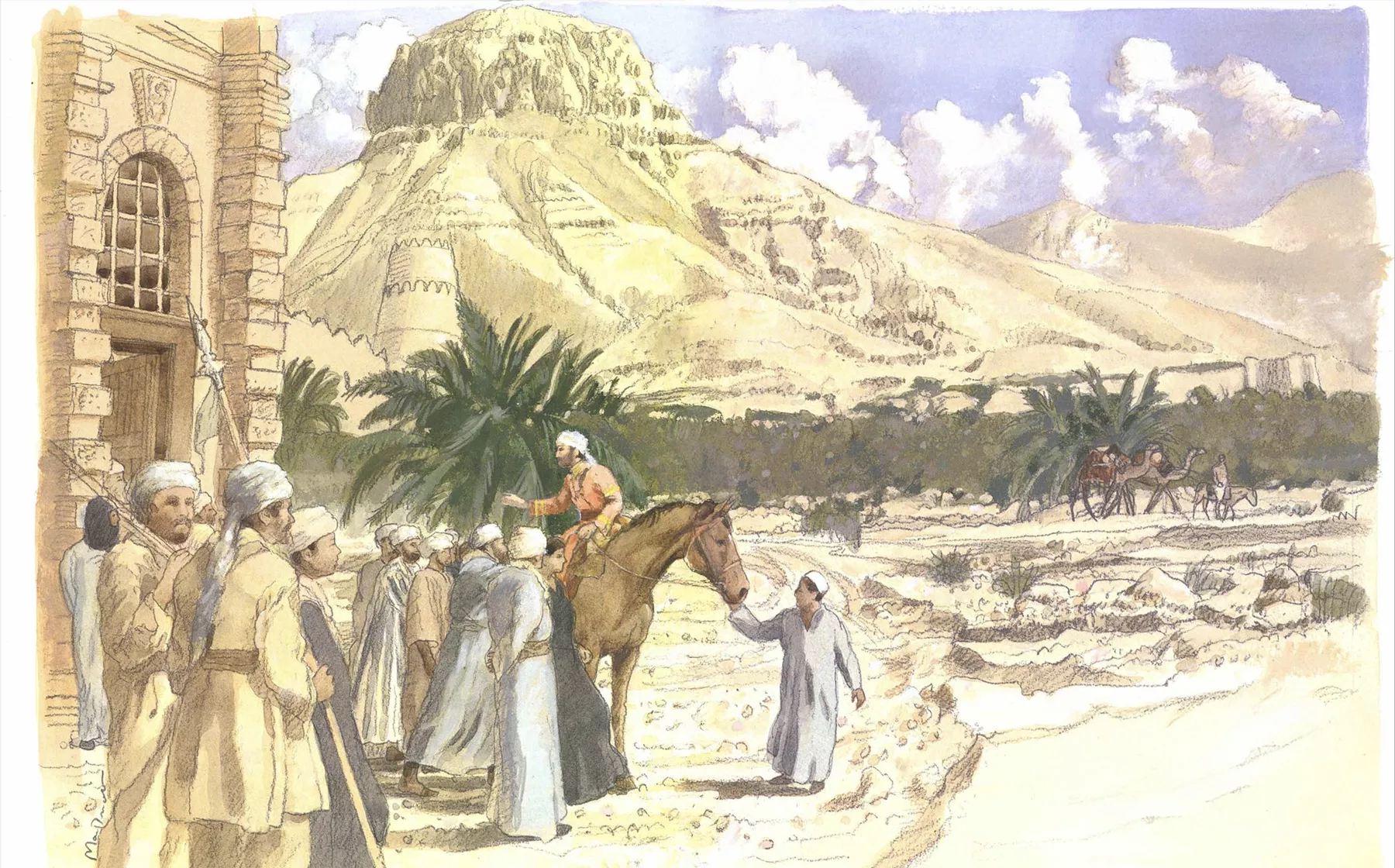

You may also be interested in...
Chef Shane Delia’s Rosewater Sutlaç With Pistachio Crumble
Food
Chef and restaurateur Shane Delia re-creates a rice-and-milk pudding he discovered along Türkiye’s Black Sea coast, one of many sutlaç found on menus in the region; this recipe gets additional texture from a pistachio crumble.
America at 250: The Eastern Foods the Nation Has Always Loved
Food
History
As the United States marks the 250th anniversary of its independence from Great Britain on July 4, the foods that filled the tables of the Founding Fathers—the late-18th-century statesmen who were most influential in the new country’s creation—are a reminder that elite households relied on ingredients carried through trade routes connecting the Mediterranean, Africa, Asia and regions now known as the Middle East.
Lamu's Last Dhow Builders and the Craft That Refuses To Vanish
On Lamu, off the northern Kenyan coast, builders of traditional wooden vessels that carried sailors who made their living from the sea for more than a millennium today steer them toward a different economic horizon: tourism.