Interpret How Artists Preserve Culture Through Traditional Crafts
Art
Arab Gulf
North Africa
Europe
Analyze how three Venice Biennale pavilions transform traditional craft into living expressions of cultural identity and historical memory.
The following activities and abridged text build off "Threads and Clay: Three Pavilions Keeping Cultural Heritage Alive at the Venice Biennale," written by Rebecca Anne Proctor.
WARM UP
Scan the article's photos and captions to predict its main idea.
IF YOU ONLY HAVE 15 MINUTES ...
Interpret how artists use traditional materials, symbolism and craftsmanship to communicate cultural heritage and historical continuity.
IF YOU ONLY HAVE 30 MINUTES ...
Analyze evidence from three national pavilions to evaluate how artistic traditions resist cultural loss and strengthen collective memory.
VISUAL ANALYSIS
Create a museum exhibit or presentation demonstrating how contemporary artists transform tradition into living cultural heritage.
How Contemporary Art Preserves Cultural Memory Through Tradition
Directions: As you read, watch for highlighted vocabulary words. Use context clues to predict their meanings, then check your understanding. After reading, answer the questions.
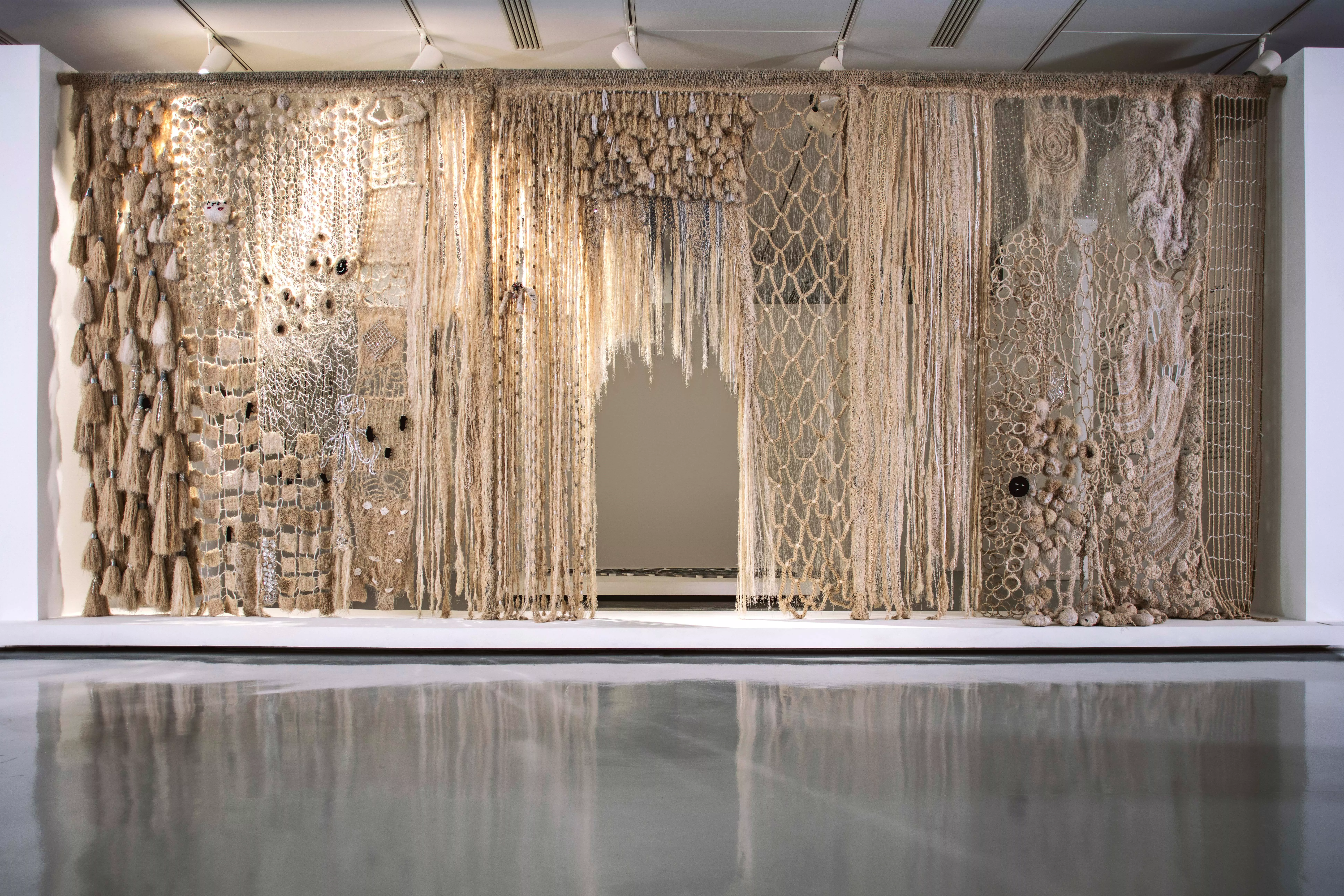
When visitors enter Morocco's pavilion at the 2026 Venice Biennale, the noise of one of the world's largest art exhibitions gives way to a quiet space filled with woven textiles suspended overhead. The installation invites visitors to slow down and reflect, echoing the vision of the biennale's artistic director, Koyo Kouoh, whose exhibition In Minor Keys encourages people to experience art through emotion, reflection and the senses rather than constant activity.
Throughout the biennale, many artists explore how traditional crafts preserve culture and history. Three national pavilions—Morocco, France and Saudi Arabia—show that handmade artistic traditions do more than honor the past. They help communities carry knowledge, identity and memory into the future through continual creativity and collaboration.
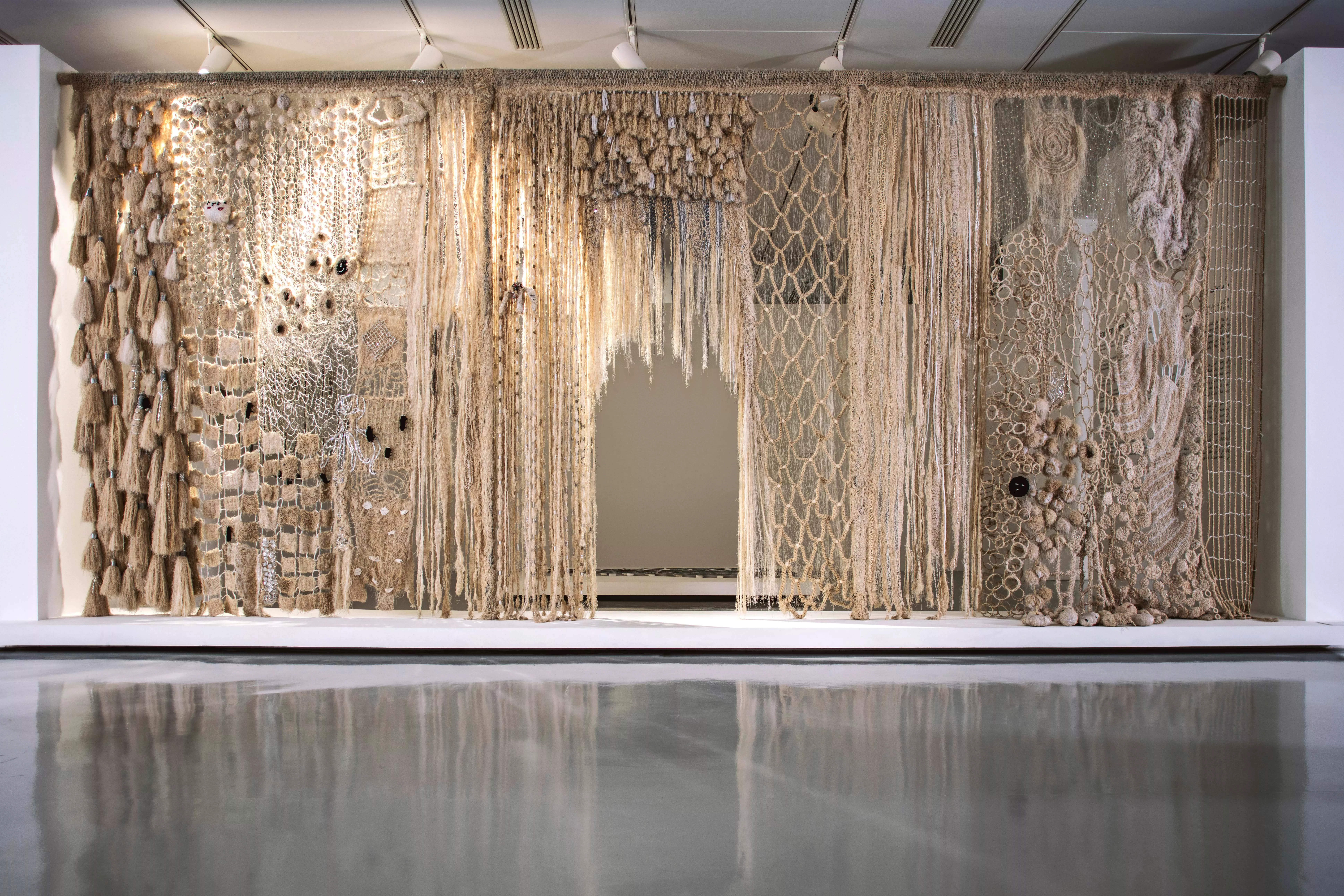
Moroccan artist Amina Agueznay believes innovation and tradition depend on one another. Her installation, Asǝṭṭa, fills the pavilion with a monumental woven structure created with 166 artisans, most of them women from communities across Morocco. The Amazigh title refers both to a loom and the act of weaving, while the installation also reflects the Moroccan concept of âatba, a threshold between one place and another. Together, these ideas suggest that weaving connects past and present.
Agueznay's work grew from years of collaborating with artisans throughout Morocco. During workshops, she noticed that some traditional symbols and techniques were beginning to disappear because younger generations no longer recognized them. Instead of simply preserving old designs, she encourages artisans to experiment, believing that traditions remain alive only when they continue to evolve through dialogue and shared creativity.
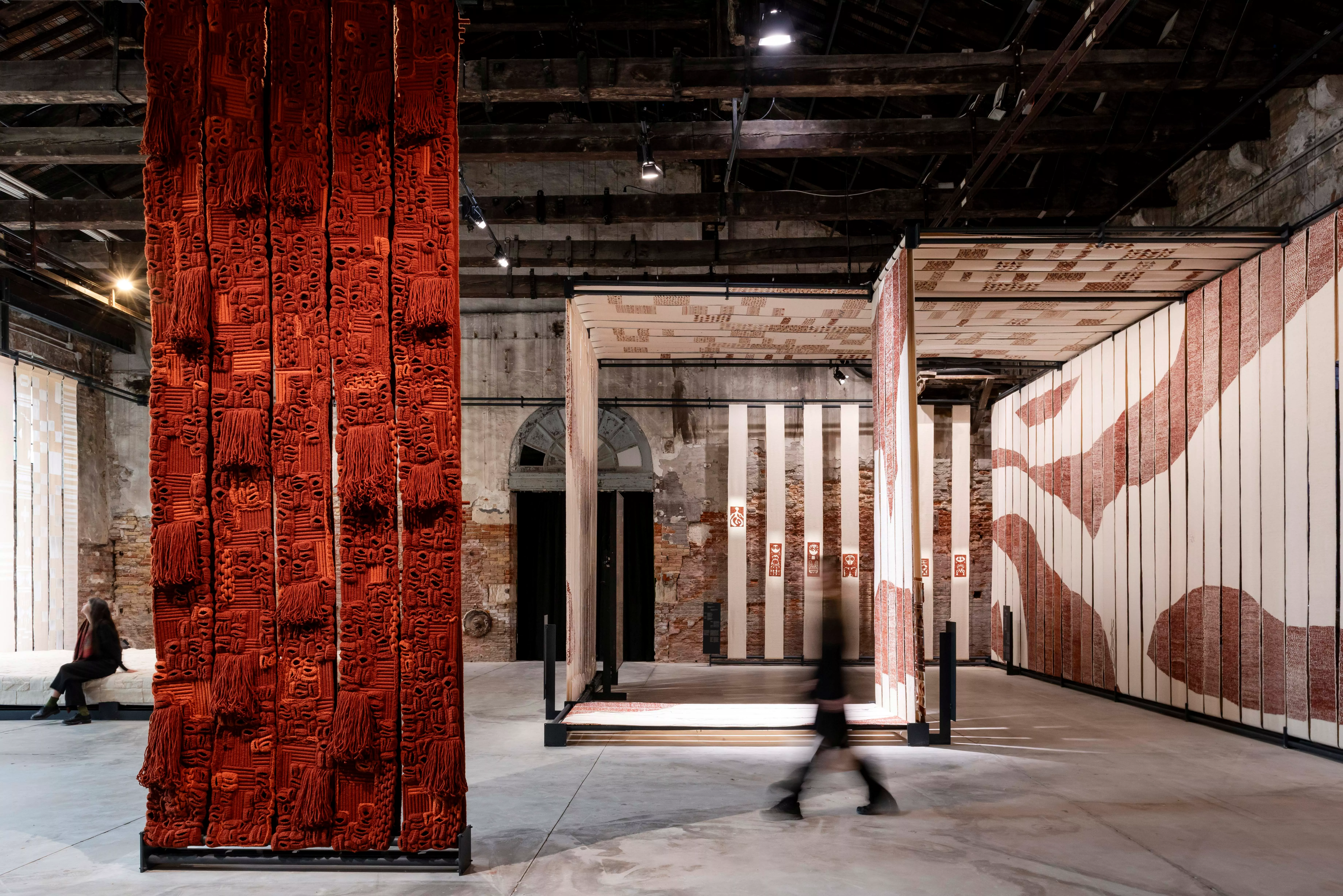
The French Pavilion approaches cultural transmission differently. Artist Yto Barrada examines how beauty and destruction often exist together. Her exhibition combines textiles, sculpture, film and printmaking while exploring labor, history and renewal. Central to the exhibition is dévoré, an 18th-century textile process in which parts of a fabric are dissolved to create delicate patterns. The technique becomes both a physical process and a metaphor showing that creation sometimes emerges from loss.
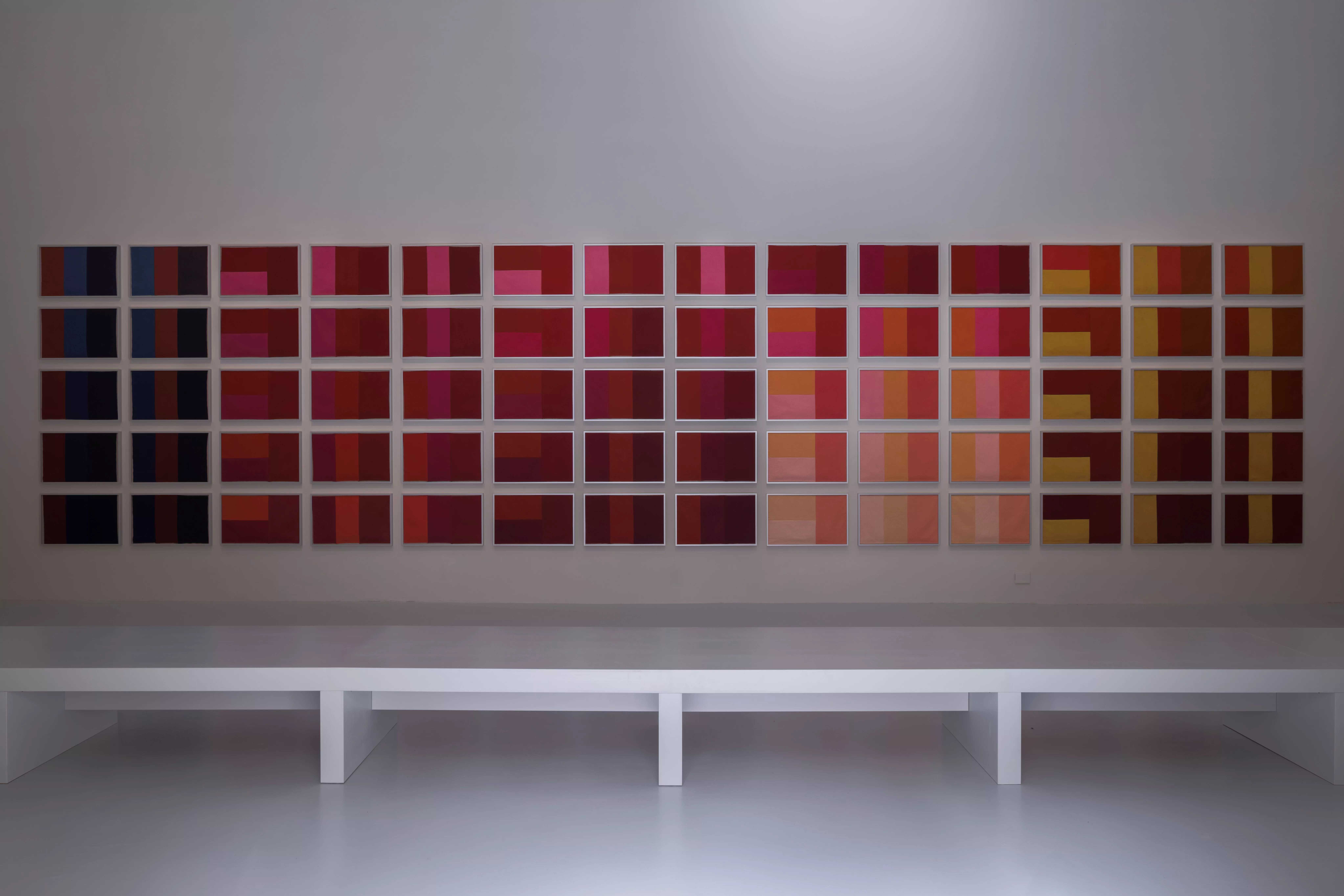
Barrada also works closely with women's communities in Tangier, Morocco, through an experimental project that studies natural dyes made from local plants. Curators explain that innovation does not require abandoning tradition. Instead, knowledge survives because each generation adapts inherited skills, materials and ideas to new circumstances. Cultural knowledge lives in everyday actions, craftsmanship and relationships with the environment.
Saudi artist Dana Awartani focuses on places that have already been damaged or destroyed. Her installation transforms the pavilion into an archeological landscape built from 29,221 handmade, sunbaked clay bricks arranged in geometric and floral designs inspired by artistic traditions from across the eastern Mediterranean. The patterns also reference 23 historic sites affected by conflict or environmental change, asking whether art can preserve memory after architecture disappears.
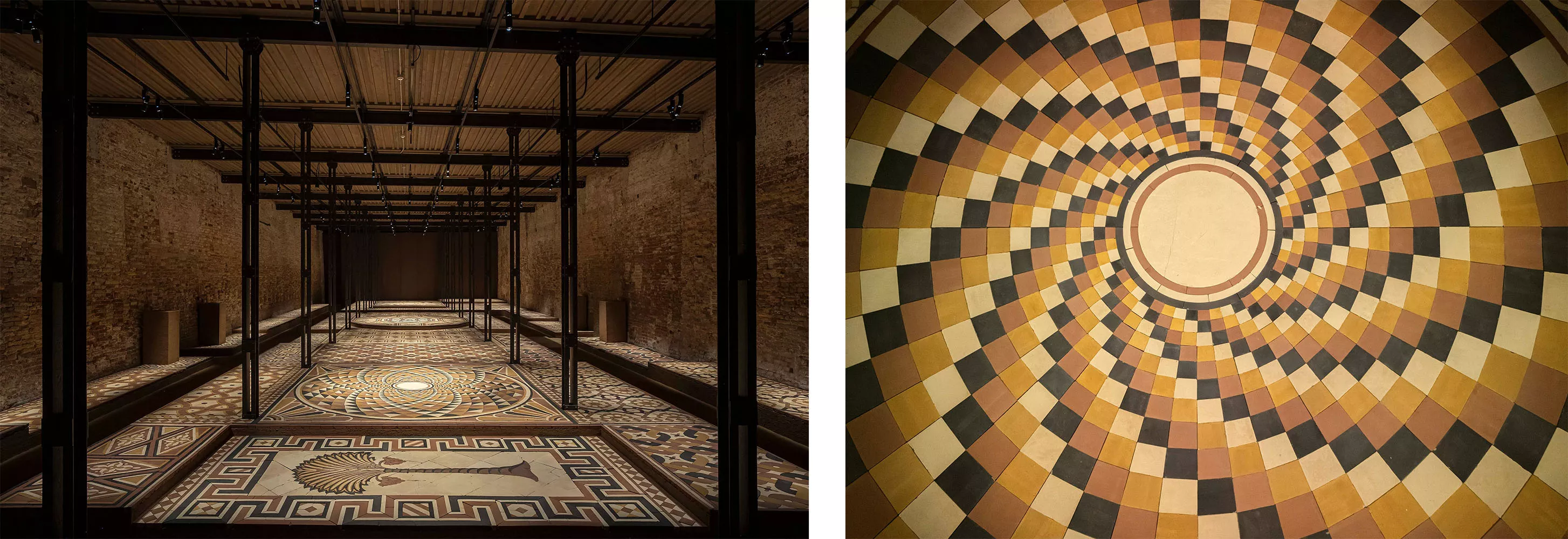
Working with 32 master craftspeople, Awartani created the bricks from natural clays found in different regions of Saudi Arabia. She intentionally left out chemical binding agents so the bricks slowly crack during the exhibition. Their gradual deterioration becomes part of the artwork, reminding visitors that cultural heritage can be fragile. Even when buildings disappear, stories, artistic traditions and shared memories can continue.
Although each pavilion tells a different story, they share a common message. Morocco emphasizes living traditions, France explores renewal through transformation, and Saudi Arabia reflects on remembrance after loss. Together, the artists show that cultural heritage is not something frozen in museums. It survives because people continue making, teaching, adapting and sharing it with future generations. Their work reminds us that art is more than creative expression—it is one of humanity's strongest ways of preserving memory while inspiring new possibilities.
Other lessons
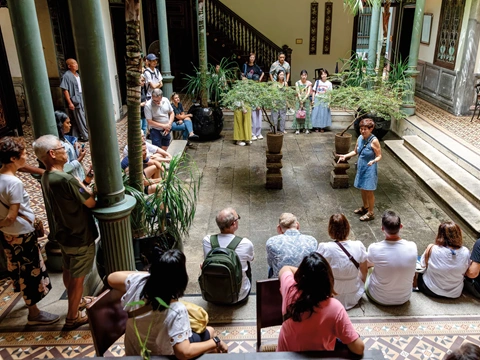
Teaching the Heritage of Place Through Storytelling
History
Geography
Southeast Asia
George Town’s restoration shows how storytelling can do more than just preserve historic buildings—it keeps memory, identity and environmental awareness alive.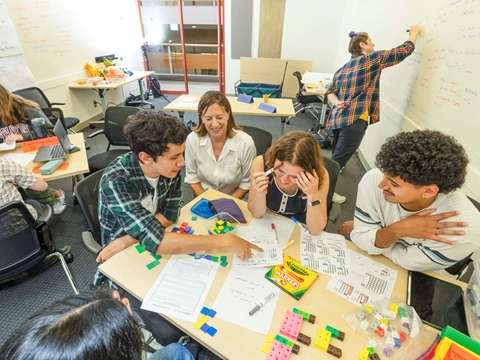
How To Improve Student Confidence Through Seeing Math Differently
For the Teacher's Desk
Hands-on activities shift math from memorization to exploration—building confidence and curiosity in the classroom.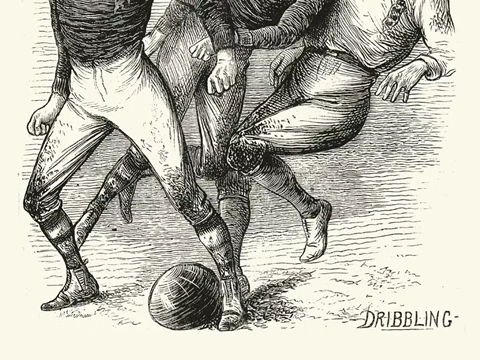
How Football Connects Cultures Through History, Identity and Shared Experiences
History
Anthropology
Trace football's global growth and analyze how music, art and food help communities express identity and belonging.