How Football Connects Cultures Through History, Identity and Shared Experiences
History
Anthropology
Trace football's global growth and analyze how music, art and food help communities express identity and belonging.
WARM UP
Scan the articles photos and captions to predict its main idea.
IF YOU ONLY HAVE 15 MINUTES ...
Analyze how shared experiences in stadiums, neighborhoods and homes help football create connections across cultures.
IF YOU ONLY HAVE 30 MINUTES ...
Trace football's journey from local pastime to global phenomenon and examine how music, art and food strengthen fan identity.
VISUAL ANALYSIS
Interpret visual examples of football culture to discover how communities express identity, pride and belonging.
Directions: As you read, watch for highlighted vocabulary words. Use context clues to guess their meanings, then hover on each word to check if you’re right. After reading, answer the questions at the bottom of the page.
Football: The World's Sport
Football is more than a game; it connects people through music, art, food and cultural identity.
Simple Game, Global Roots
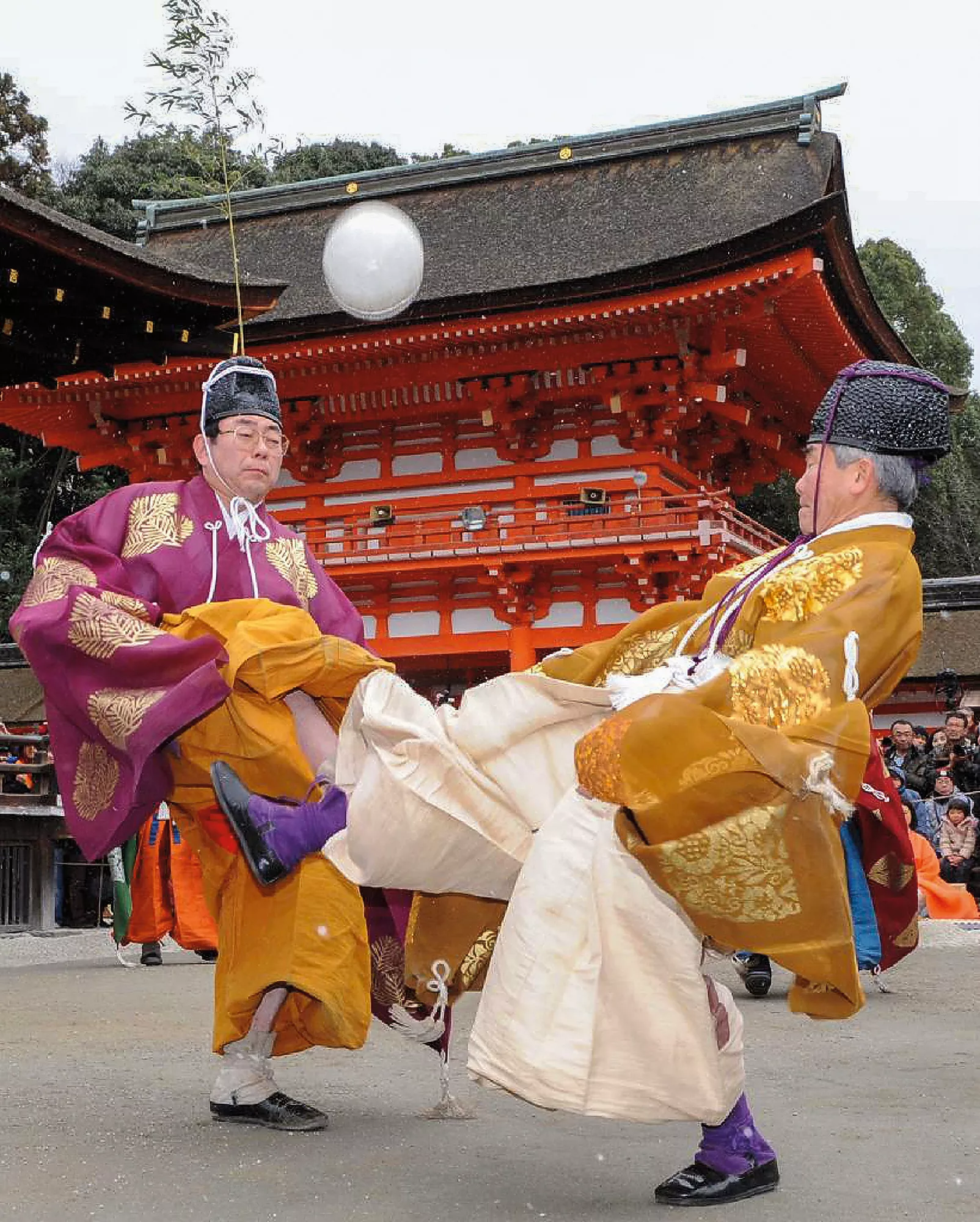
Long before modern football emerged, many cultures played ball games of their own. Ancient China practiced cuju, Japan developed kemari, ancient Greece played episkyros, and civilizations in Central America organized ceremonial ball games. While rules varied, these activities demonstrated a widespread human interest in competition, teamwork and recreation.
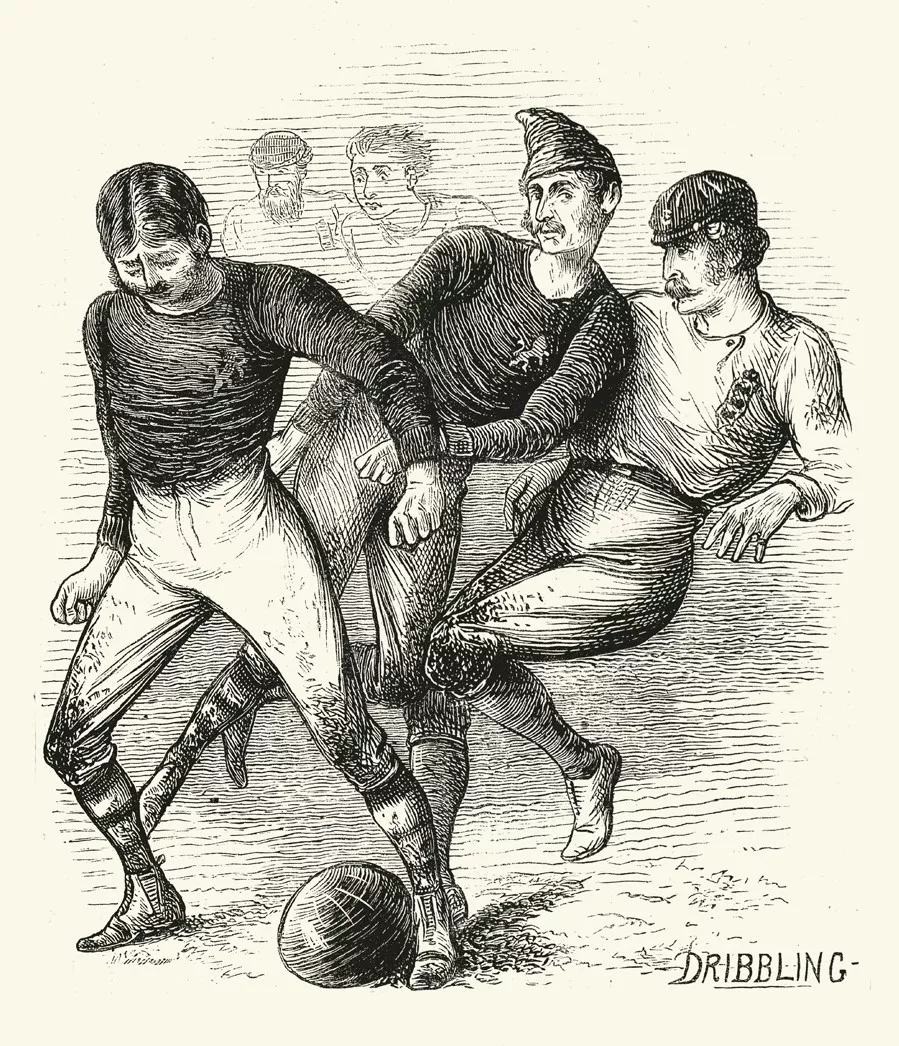
Modern football took shape in England in 1863 when representatives from London-area clubs met at the Freemasons' Tavern and established a single set of rules. They formed the Football Association (FA), formally separating football from rugby and creating the foundation for the modern game.
The sport quickly became organized. The FA Cup began in 1871, followed by the Football League in 1888. These competitions helped standardize play and attract growing audiences.
Football's World Journey
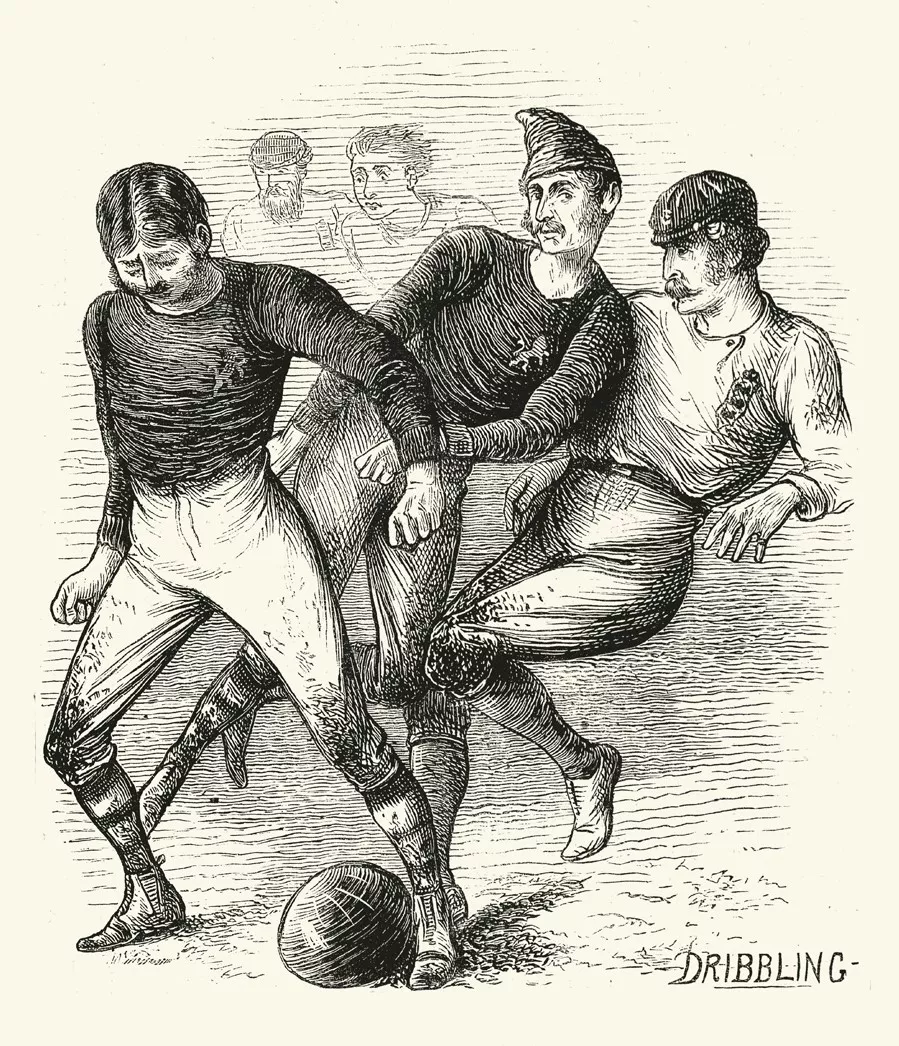
During the late 19th century, the British Empire's trade routes, railways and shipping networks carried football across the globe. Sailors, merchants and workers introduced the game to new regions, where local communities adopted and reshaped it.
In South America and elsewhere, football became closely tied to neighborhood identity and pride. Children played in streets and open spaces, while local clubs served as gathering places for families and communities.
As countries gained independence during the 20th century, football became even more meaningful. National teams began to allow countries to represent themselves on the world stage. Victories in international tournaments often brought feelings of unity and recognition.
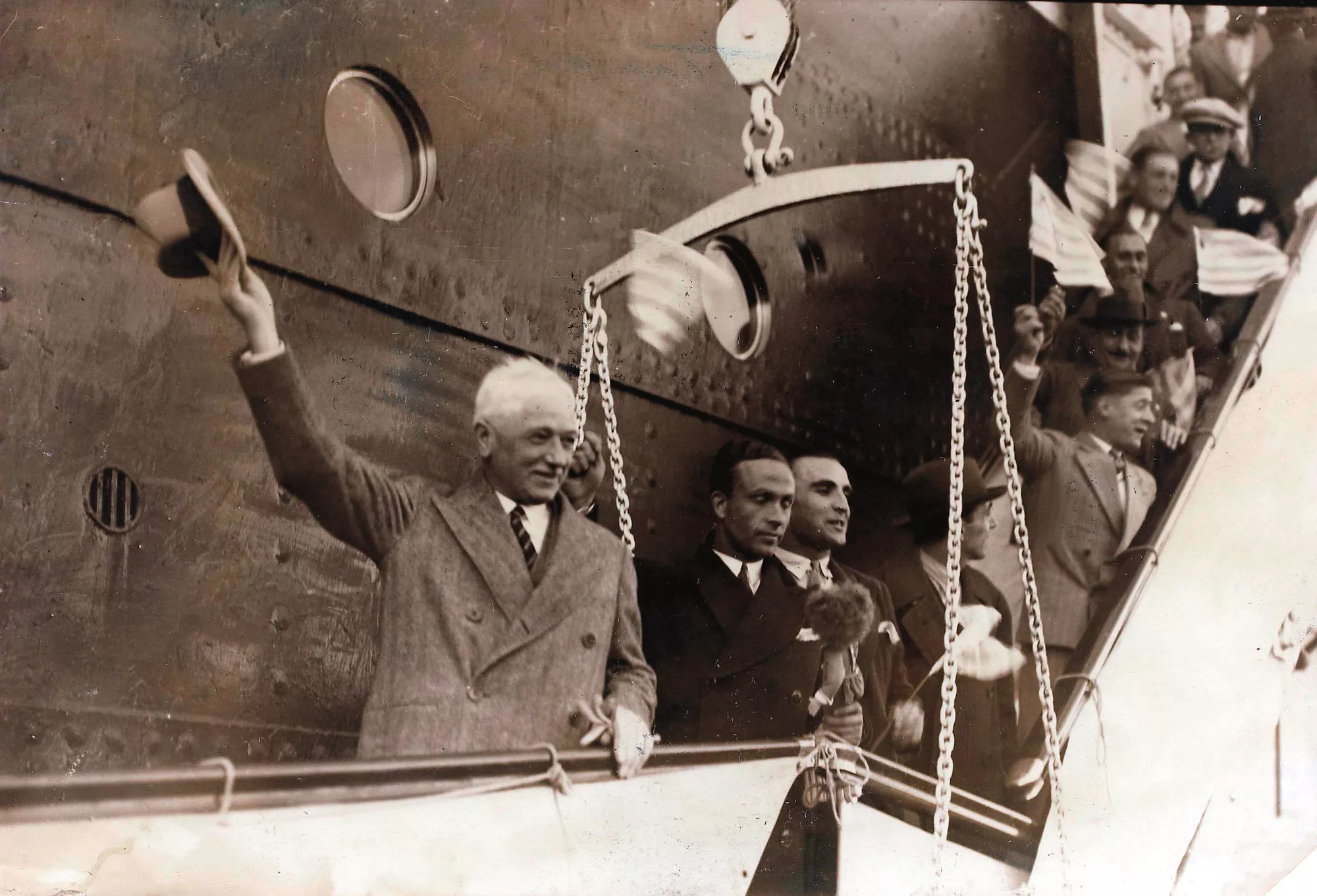
International competition expanded after FIFA (Fédération Internationale de Football Association) was founded in 1904. The first FIFA World Cup took place in Uruguay in 1930 with 13 teams. Today, more than 200 national associations compete for a place in the tournament. The 2022 FIFA World Cup in Qatar reached nearly 5 billion viewers worldwide.
Soundtracks Across Borders
Football is as much something people hear as something they watch. Chants, drums and songs transform stadiums into spaces of collective participation. Across continents, local rhythms shape the atmosphere as fans clap, sing and respond together.
Official World Cup songs extend this sense of connection. Shakira's 2010 anthem "Waka Waka (This Time for Africa)," created with South African band Freshly ground, combined multiple languages and musical traditions from Africa, Latin America and beyond.
More recently, performances in Qatar featured collaborations between artists from different regions, including South Korean singer Jung Kook and Qatari musician Faahd Al Kubaisi. Songs such as "Hayya Hayya" and "Light the Sky" showcased voices from across the Middle East and North Africa while reaching global audiences.
Art, Food, and the Feel of Home
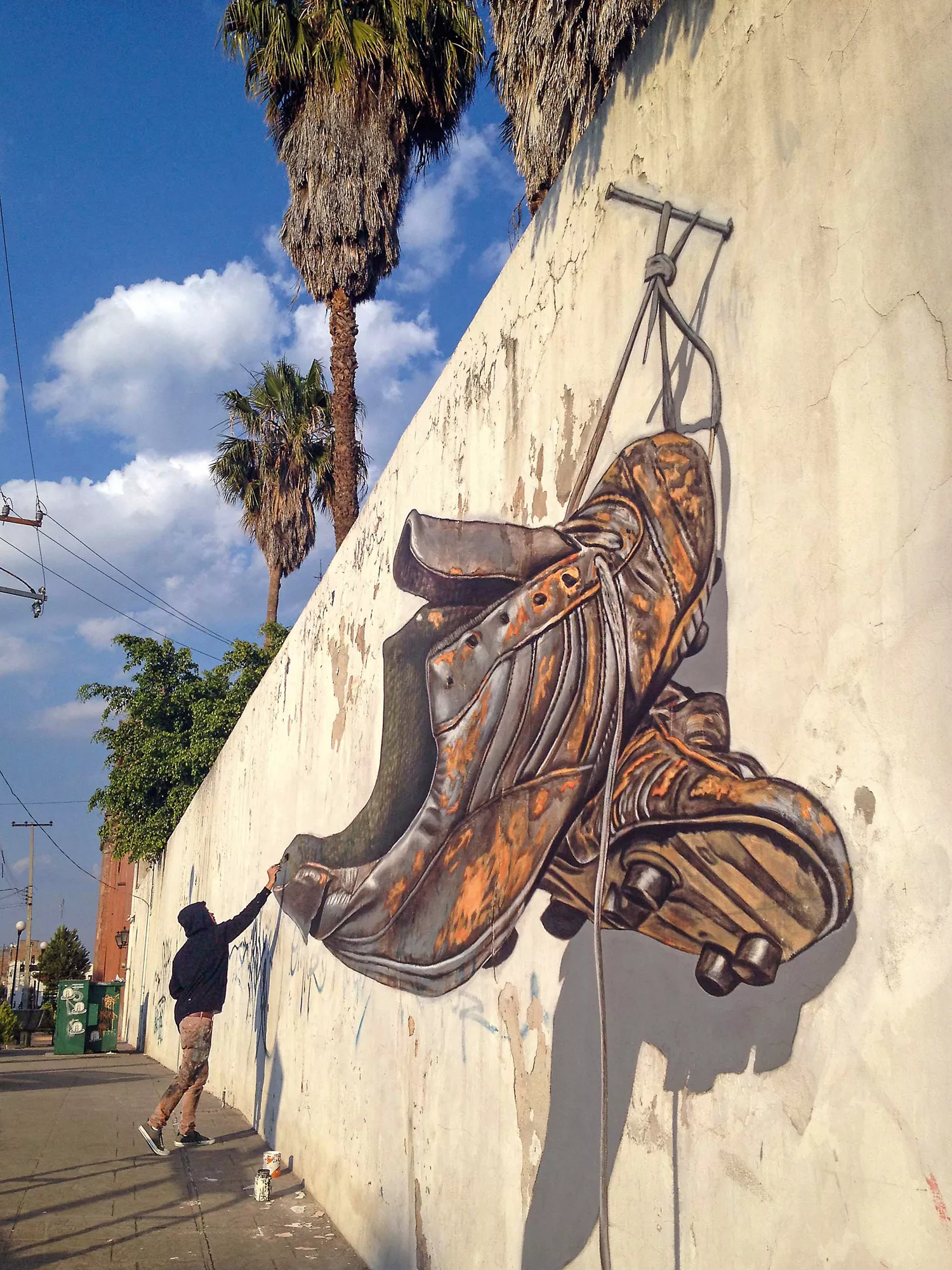
Art helps capture the emotions surrounding football. British artist L.S. Lowry's painting Going to the Match depicts crowds heading toward a stadium, united by anticipation. Around the world, murals, sculptures and fan displays celebrate players, teams and memorable moments.
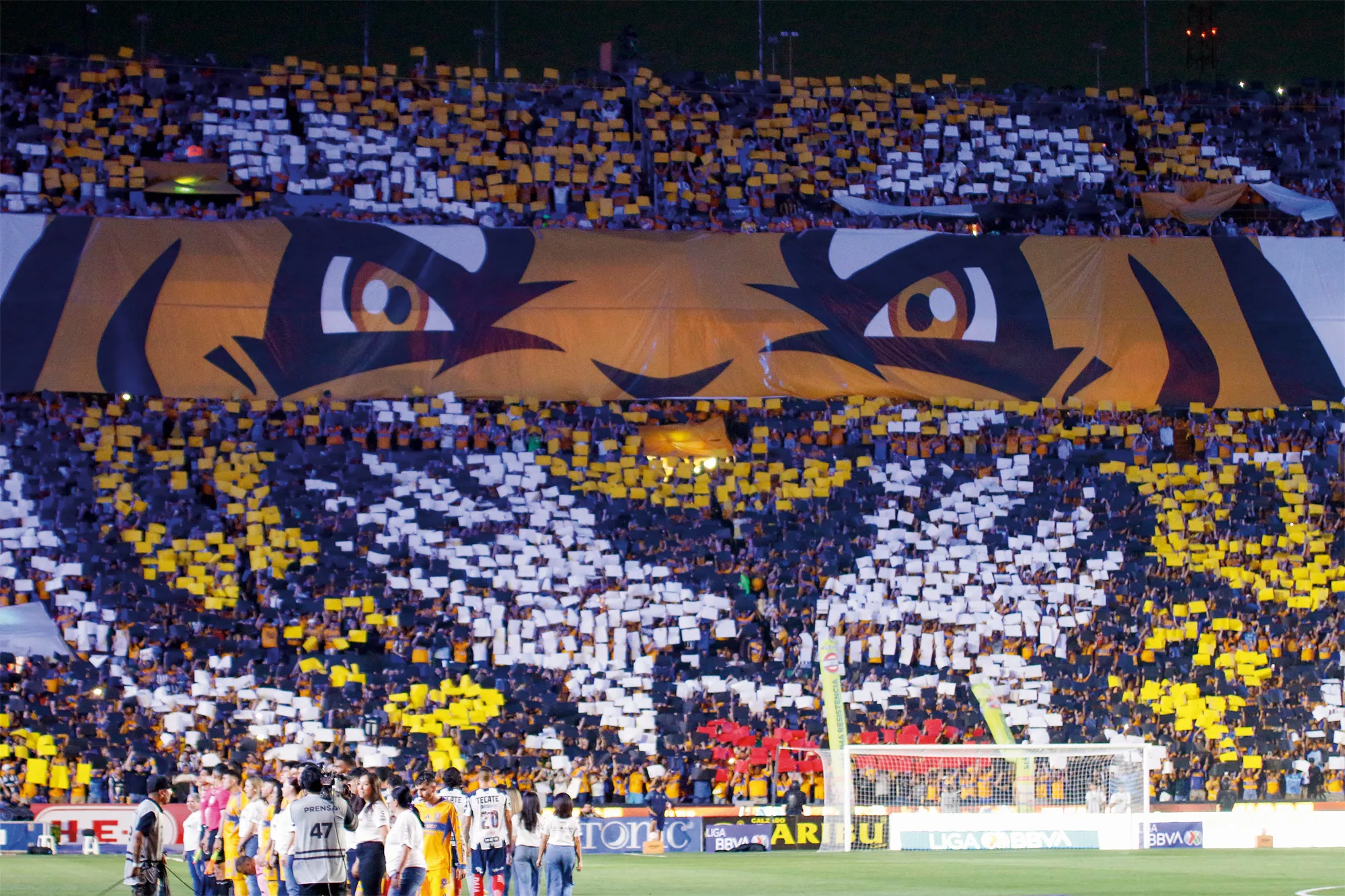
One of the most striking examples is the tifo, large coordinated displays created by supporters using banners, flags and placards. These living artworks transform spectators into participants and visually express collective identity.
The 2026 World Cup posters, designed by artists from across North America, combine indigenous motifs, street art influences and national symbols to celebrate cultural diversity within a shared event.
Food also plays a central role in football culture. Families and friends gather in homes, cafes and restaurants to watch matches while sharing meals connected to their heritage. Algerian families in New York, Senegalese communities in Toronto and Mexican American households across North America all bring their own traditions to the experience.
Across cultures, a familiar pattern emerges: people gather, songs fill the air, food is shared and communities celebrate together. Football's greatest strength may be its ability to create moments of connection among people who may never meet, yet feel part of the same story.
Other lessons
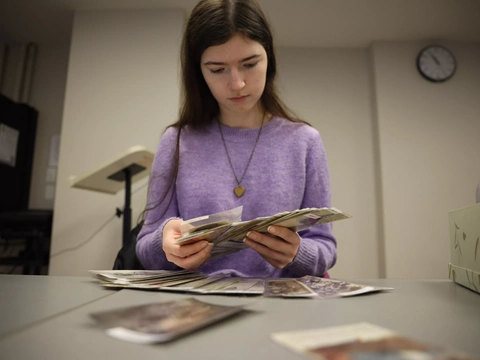
When Postcards Bring the Past Alive, Curiosity Follows
For the Teacher's Desk
Placed in students' hands, century-old postcards unlock investigative thinking and spark the kind of inquiry every teacher hopes to cultivate.
Learning Center Lesson: How Othman Almullas Journey Reflects the Growth of Golf in the Arab World
History
Sports
Arab Gulf
Students trace how a sport introduced from outside can be adopted, adapted and eventually become locally meaningful.
How Can Culture Build Bridges Across the World?
Language Studies
History
Central Asia
Europe
South Asia
How can one village inspire the world? Discover how literature and cultural heritage foster understanding across borders.