
Stories That Develop Media Literacy
Subject:
For the Teacher's Desk
In a portrait from early-20th-century Senegal, a woman stares confidently at the camera. Images of flowers, photographs and a lace pillow frame her, each element purposefully selected to tell a story of the subject, from her pose to the textures of her dress.
No choice happened by accident. Instead, they reveal something the photographer—and likely the subject—wanted the viewer to see and understand, underscoring a core principle of media literacy: meaning is constructed, not discovered.
These kind of choices illustrate a core idea of media literacy: each image, story and content reflects an amalgam of countless decisions. While many may think of media literacy as applying to news, today’s students encounter media across myriad platforms, from TikTok to museum exhibitions. Understanding how media is designed, framed and shaped can help students develop insight into the stories they’re told.
Here are five AramcoWorld stories and classroom activities that draw on US Common Core Standards as well as the core principles of the US-based National Association for Media Literacy Education. Through the lessons, learners develop skills to decipher constructs used to tell stories, decode media messages and strengthen critical media literacy skills needed today.
These kind of choices illustrate a core idea of media literacy: each image, story and content reflects an amalgam of countless decisions. While many may think of media literacy as applying to news, today’s students encounter media across myriad platforms, from TikTok to museum exhibitions. Understanding how media is designed, framed and shaped can help students develop insight into the stories they’re told.
Here are five AramcoWorld stories and classroom activities that draw on US Common Core Standards as well as the core principles of the US-based National Association for Media Literacy Education. Through the lessons, learners develop skills to decipher constructs used to tell stories, decode media messages and strengthen critical media literacy skills needed today.
- Reframe Objects to Reveal Meaning
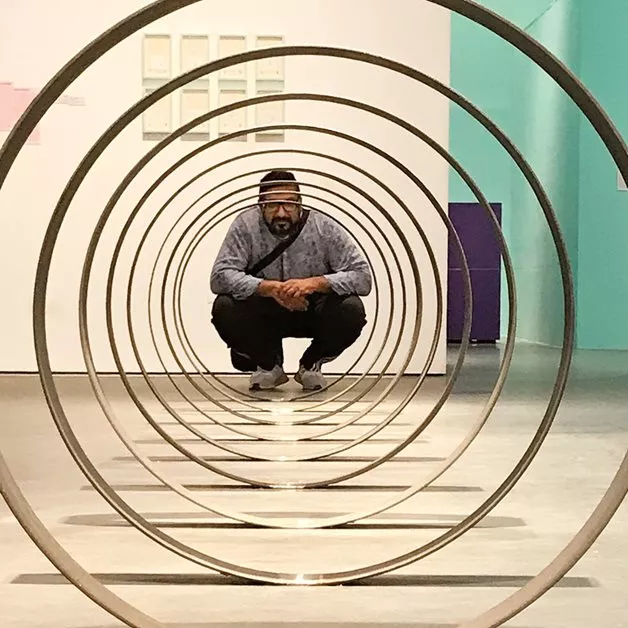
AramcoWorld’s story “A Crude History” transforms industrial materials including rubber flip-flops and drill bits into art. When a tool normally used to drill for oil now just hangs, stripped of industrial purpose, viewers reconsider how changing the environment and context of the object shapes meaning.
Items change their meaning when placed within different spaces or frames. Understanding how context shapes meaning helps students learn how media molds information differently depending on the platform where an image or story is viewed, such as a trusted news organization or a Reel on Instagram. Through this exercise, students engage with NAMLE’s Core Principles, by examining how media deliver specific perspectives and context.
Educators can ask students to locate objects within their classroom or school site, such as a piece of chalk or a ladle used in a lunchroom, then to consider new ways to transform their meaning by changing the context, framing and presentation.
Items change their meaning when placed within different spaces or frames. Understanding how context shapes meaning helps students learn how media molds information differently depending on the platform where an image or story is viewed, such as a trusted news organization or a Reel on Instagram. Through this exercise, students engage with NAMLE’s Core Principles, by examining how media deliver specific perspectives and context.
Educators can ask students to locate objects within their classroom or school site, such as a piece of chalk or a ladle used in a lunchroom, then to consider new ways to transform their meaning by changing the context, framing and presentation.
- Decode How Visual Language Speaks
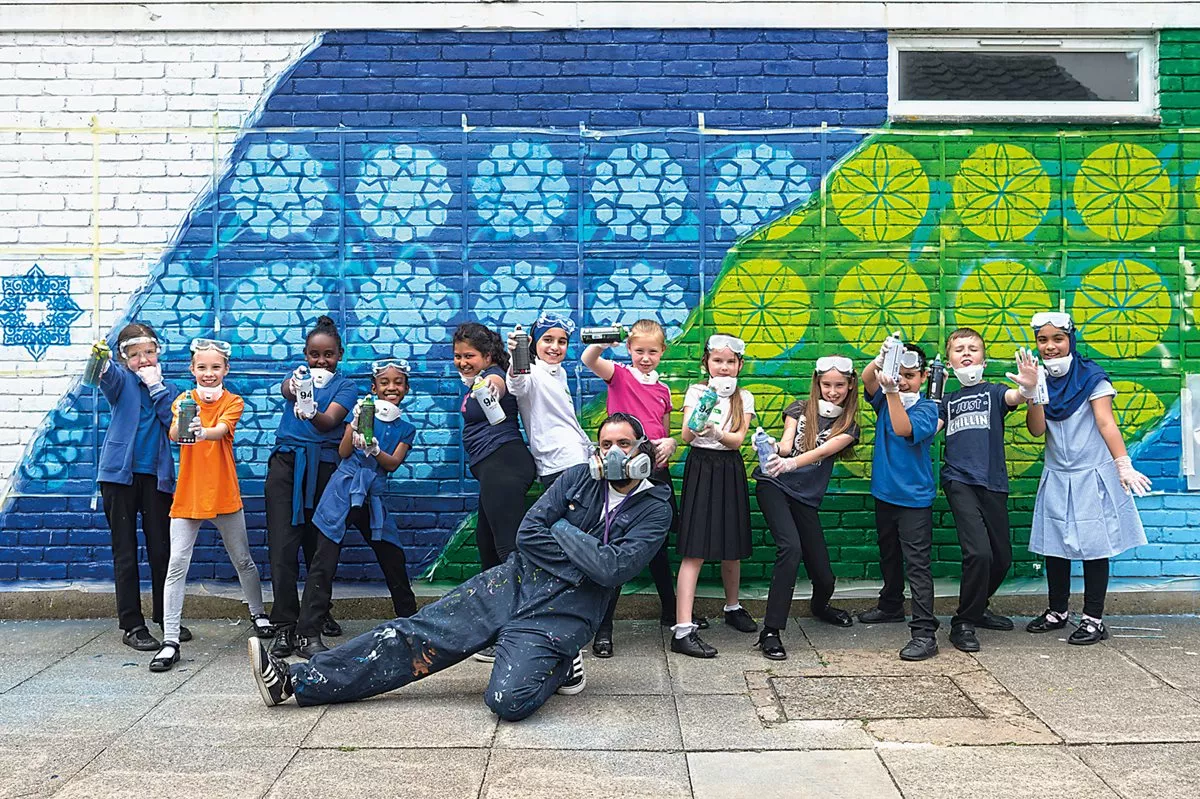
In “Muralist Teamster Blends Urban Graffiti and Arabesque Patterns,” Islamic geometric shapes are woven into contemporary street art. The artist takes imagery familiar to one environment and transforms the shapes and iconography by changing where the patterns are traditionally seen. In doing so, he expands the audience and community for the new “calligrafitti,” helping to ensure the visual language remains vibrant.
Through the street-art example, students focus on the preferences media creators choose, from styles they adopt to decisions about where media appears to convey specific messages. Students can create their own visual representations of a story, image or language in a style they believe will resonate with their school audience. They can write an artist statement explaining their actions to produce clear writing for a specific task or audience (aligns with Common Core English Language Arts Standards, 9-10.4).
Through the street-art example, students focus on the preferences media creators choose, from styles they adopt to decisions about where media appears to convey specific messages. Students can create their own visual representations of a story, image or language in a style they believe will resonate with their school audience. They can write an artist statement explaining their actions to produce clear writing for a specific task or audience (aligns with Common Core English Language Arts Standards, 9-10.4).
- Interrogate the Choices Behind the Frame
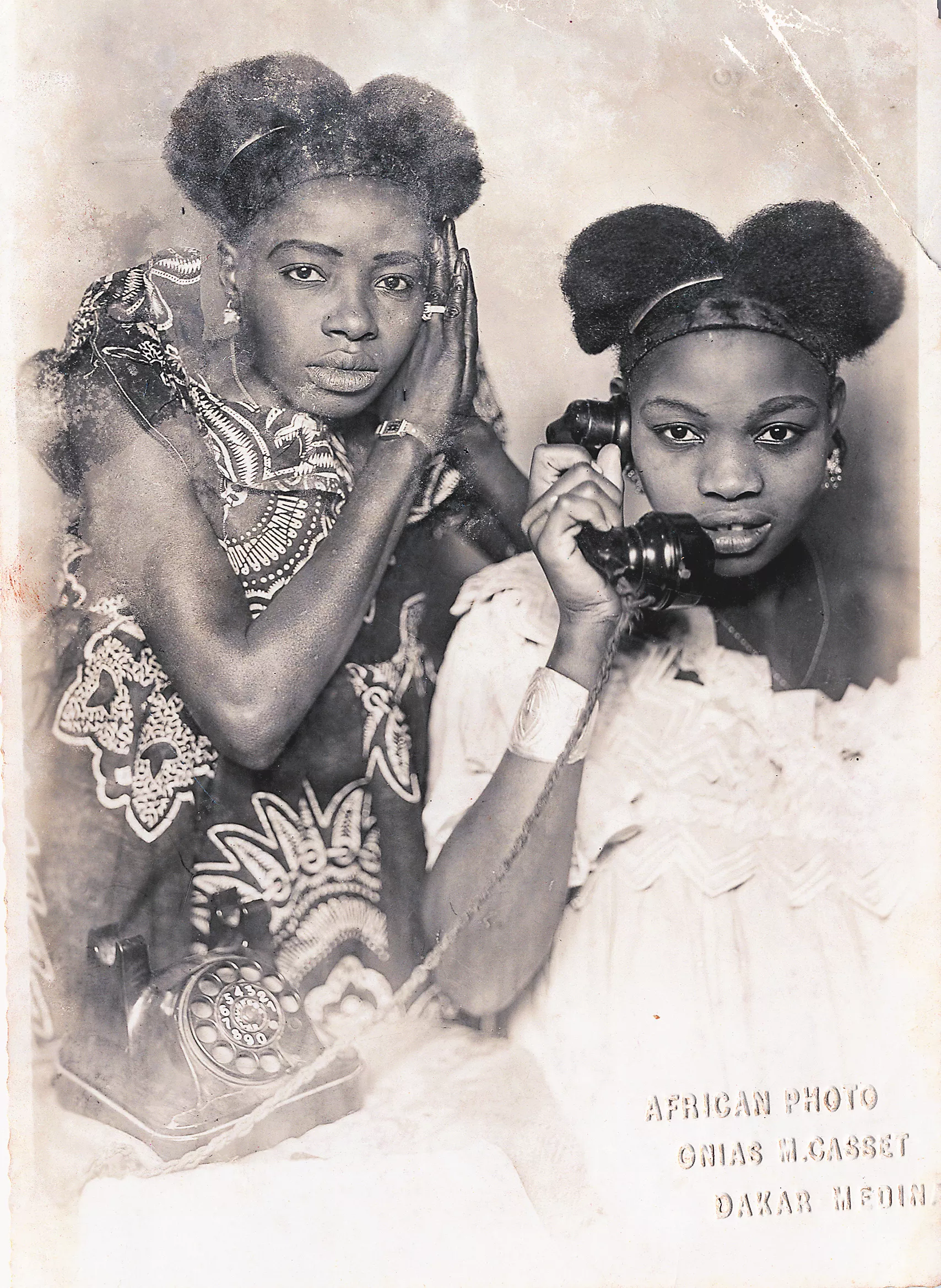
“Author Giulia Paoletti Traces History of Senegal's Photography” dives into historical photographs, revealing how every element in the portraits reflects an intentional choice, from the poses to the clothing worn by the subjects. Each decision reveals the photographer's intent.
Every piece of media reveals selections made by designers, writers and artists that communicate a specific meaning about the subject as well as the creator's perspective. Ask students to create their own portraits of their classmates. Work with them in adjusting their poses, adding props and even potentially changing their clothing to develop a story and intent behind the image, and explaining their choices. In doing so, they tap into another one of NAMLE’s Core Principles of Media Literacy Education: encouraging learners to create their own media to strengthen their media literacy skills.
Every piece of media reveals selections made by designers, writers and artists that communicate a specific meaning about the subject as well as the creator's perspective. Ask students to create their own portraits of their classmates. Work with them in adjusting their poses, adding props and even potentially changing their clothing to develop a story and intent behind the image, and explaining their choices. In doing so, they tap into another one of NAMLE’s Core Principles of Media Literacy Education: encouraging learners to create their own media to strengthen their media literacy skills.
- Recast Stories for New Contexts
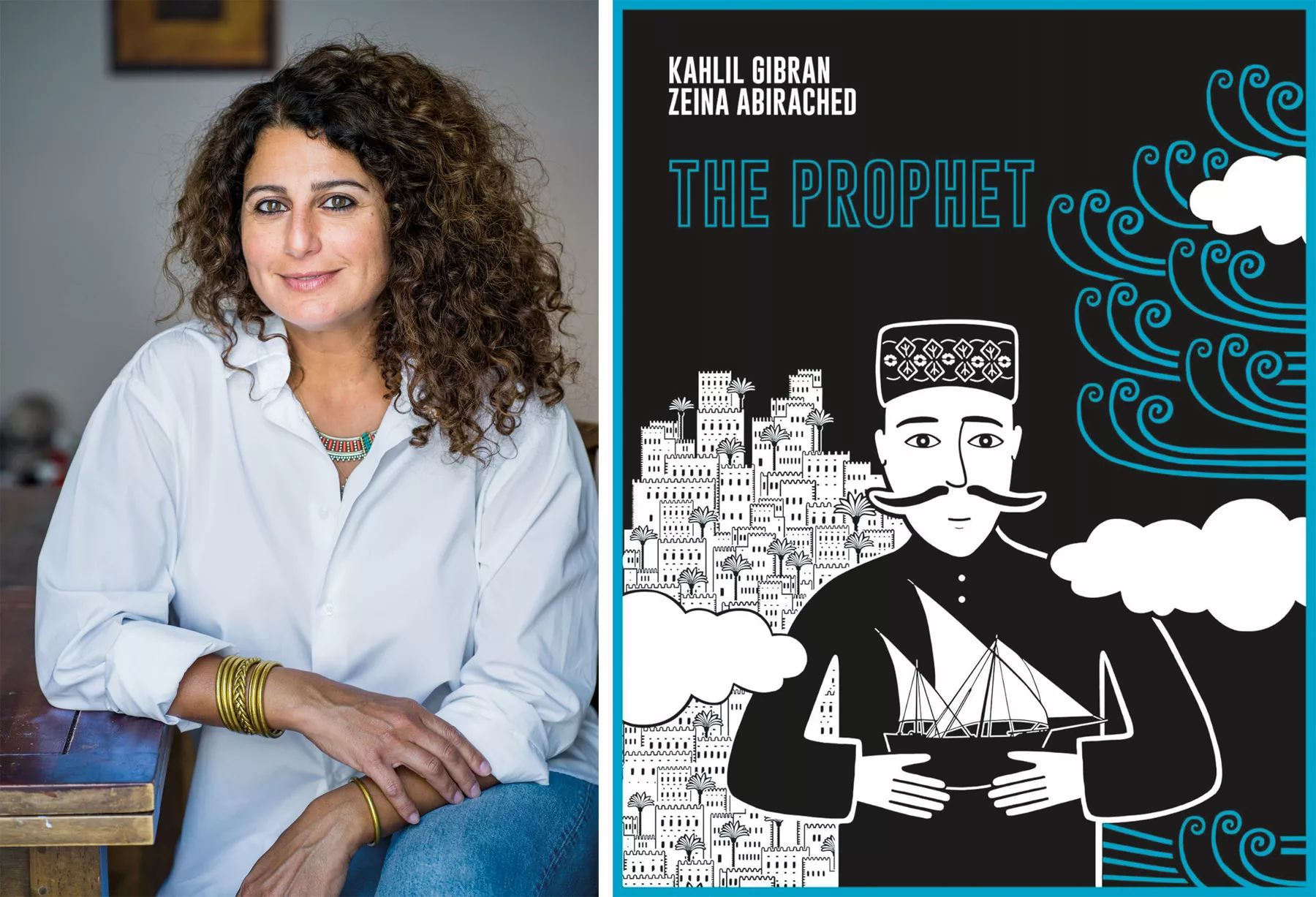
“Meet the Woman Who Turned Gibran's Classic The Prophet Into a Graphic Novel” follows Lebanese artist Zeina Abirached as she transformed Khalil Gibran's text into a modern visual narrative. Her design adapts a century-old classic for readers who might have felt disconnected from the original essays. Every time a story is changed, the act involves choices on what to highlight, include and even exclude. Adapting stories requires a delicate balance that honors the original's values and truth, while bringing something new to the changed work to potentially expand an audience.
Educators can ask students to retell a specific classic story but through a new format of their choosing. They can work alone or in groups, developing an audio project such as a podcast or a social media story (aligns with one of the Common Core English Language Arts Standards, 9-10.6). Classmates can then evaluate how their interpretations fared by considering whether the context changed or enhanced the meaning of an original, and how.
- Translate Meaning Across Models
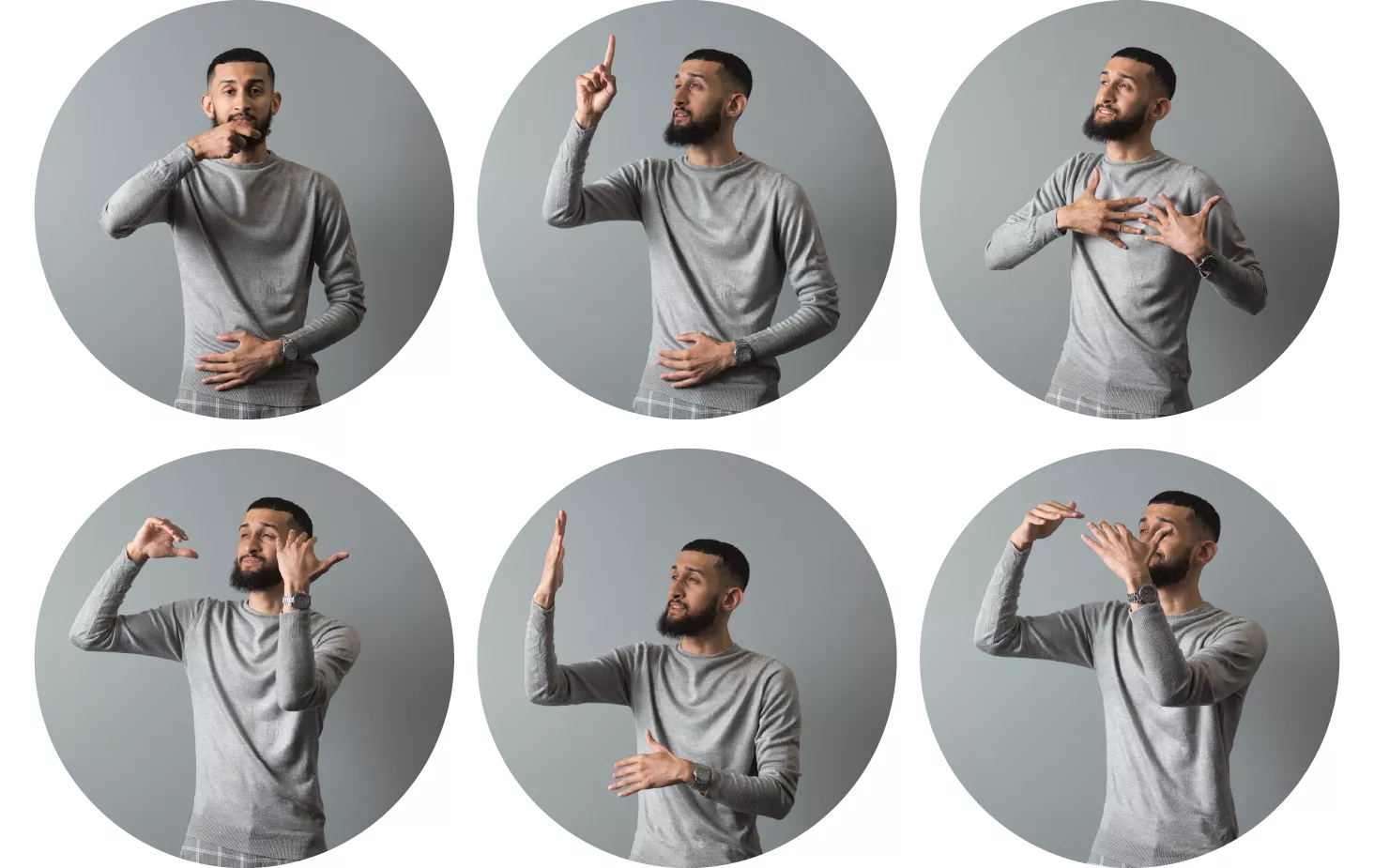
“Translating the Qur'an for the Deaf” explores the rhythmic and melodic Qur`an and its adaptation into sign language while capturing its meaning, tone and spiritual significance. When translating media from one format to another—video to printed words or sound to infographics—subtle meanings can be lost. Learners consider how an author transforms source material, here the Qur`an, into a specific work (aligns with Common Core English Language Arts Standards 9-10.9).
Students translate phrases and stories into different media. Classes can create a performance, record a song, develop an image or write an essay that translates a story from one medium into another. Students can then reflect on what the retelling delivers, and what may be left out.
Students translate phrases and stories into different media. Classes can create a performance, record a song, develop an image or write an essay that translates a story from one medium into another. Students can then reflect on what the retelling delivers, and what may be left out.
Each of the five activities helps students recognize that media doesn't just present information but frames details through decisions about context, audience, format and emphasis. When media appears through feeds, timelines and shared links, the same principles of framing, context and emphasis apply—often with even less visibility. Understanding these choices helps students become critical consumers across all platforms.
AramcoWorld stories can demonstrate how storytellers take deliberate actions to shape meaning. When students learn to recognize these selections, they develop critical thinking skills necessary to navigate an increasingly complex media landscape with greater awareness and insight for the academic year and beyond.
AramcoWorld stories can demonstrate how storytellers take deliberate actions to shape meaning. When students learn to recognize these selections, they develop critical thinking skills necessary to navigate an increasingly complex media landscape with greater awareness and insight for the academic year and beyond.
Other lessons
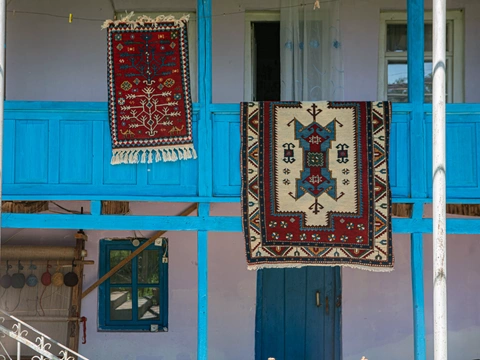
The Legacy of Borchalo Rug-Weaving in Georgia: Explore Cultural Change Through Critical Reading and Design
Art
History
Anthropology
The Caucasus
Analyze efforts to preserve a centuries-old weaving tradition, and connect the Borchalo story to questions of identity, memory and heritage.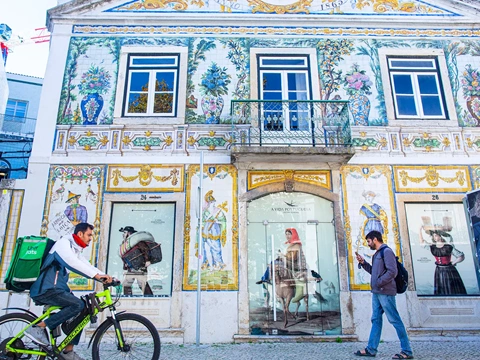
Tracing the History and Geography of Portuguese Tilemaking
Geography
Architecture
Europe
Analyze how culture and technology have changed the ways tiles have been made in Portugal for over 500 years.
Learning Center Lesson: How Othman Almullas Journey Reflects the Growth of Golf in the Arab World
History
Sports
Arab Gulf
Students trace how a sport introduced from outside can be adopted, adapted and eventually become locally meaningful.